Pakistan Launches Airstrikes on Afghan Border, Igniting New Tension
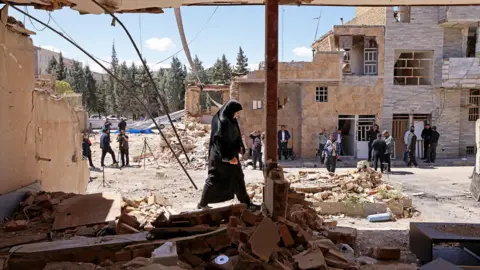
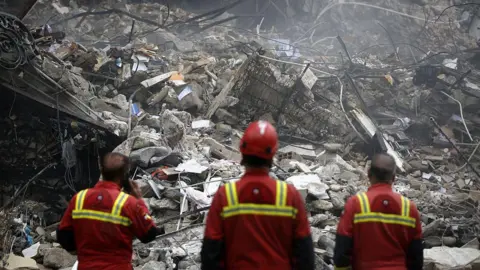
On a clear Wednesday, Pakistan’s Information Ministry released a statement confirming that its aircraft had struck four targets within Afghan territory, a move described as a "calibrated strike" aimed at militant hideouts on the border line. The operation led to the killing of 26 insurgents, the ministry said, while Afghan authorities reported a death toll of 13—ranging from 11 children to an elderly man—across the provinces of Kunar, Khost and Paktika.
The air attacks have broken a lull that had been in place since a cease‑fire was brokered in October after several weeks of violent clashes that left hundreds dead. Pakistani officials insist that these operations were a direct response to recent terrorist incidents within Pakistani borders and targeted "hideouts and safe havens" that support training and weapon caches for insurgent groups.
Taliban spokesperson Zabihullah Mujahid refuted claims that Afghan territory served as a safe harbour for militants, asserting that the government has no role in facilitating attacks against neighbouring states. The Afghan government repeatedly states that its land is not used to threaten the security of other nations.
The re‑intensified conflict has drawn criticism from global leaders who emphasize the need for a peaceful resolution, reminding both countries that unchecked hostilities could destabilize the wider region. Analysts warn that the renewed violence, if left unchecked, could erode the fragile equilibrium that had been achieved and inflame cross‑border tensions further.
For a more detailed backdrop, see the battle at the border that left hundreds dead in February and the cease‑fire agreement of last October that once promised to curb this cycle of conflict.
As the frontline dynamics unfold, observe whether diplomatic channels can mediate the inflamed crisis or whether the hostilities will degenerate into a broader insurgent cross‑border war. The outcomes around the Afghan-Pakistan frontier remain pivotal for regional peace and security, steering the narrative of both nations’ security policies and international perceptions.