In brief
In a significant policy shift, an internal memo from Immigration and Customs Enforcement (ICE) suggests that officers can now forcibly enter homes without a judicial warrant, an action historically prohibited. This change is causing alarm within immigrant communities, where the practice of avoiding interaction with immigration officers at home has been a long-standing measure of safety. Legal experts warn that this could escalate confrontations and lead to violent incidents, jeopardizing the safety of not just immigrants but all residents.
In a worrying development for immigrant communities, an internal memorandum from the Immigration and Customs Enforcement (ICE) has been leaked, revealing that ICE officers may now have the authority to enter residential properties without a warrant issued by a judge. The implications of this policy change are profound, altering the longstanding legal advice embedded in immigrant rights training.
Fernando Perez, a long-term immigrant worker, expressed his concerns regarding this shift. Having successfully avoided interaction with immigration officials for years by adhering to the advice of staying indoors unless presented with a judicial warrant, he now fears the potential consequences of this new directive.
Under the Fourth Amendment of the U.S. Constitution, individuals in the U.S. have traditionally been protected from unreasonable searches, requiring law enforcement to acquire a signed warrant from a judge for forced entry. However, the latest ICE memo indicates a change in the enforcement landscape, permitting officers to enter homes simply on the basis of an administrative warrant, effectively undermining decades of legal precedent.
Critics, including Democratic U.S. Senator Richard Blumenthal, have denounced this new policy. Blumenthal has called for congressional hearings to investigate what he describes as a dangerous policy shift by ICE that puts every American at risk of unwarranted intrusion into their homes.
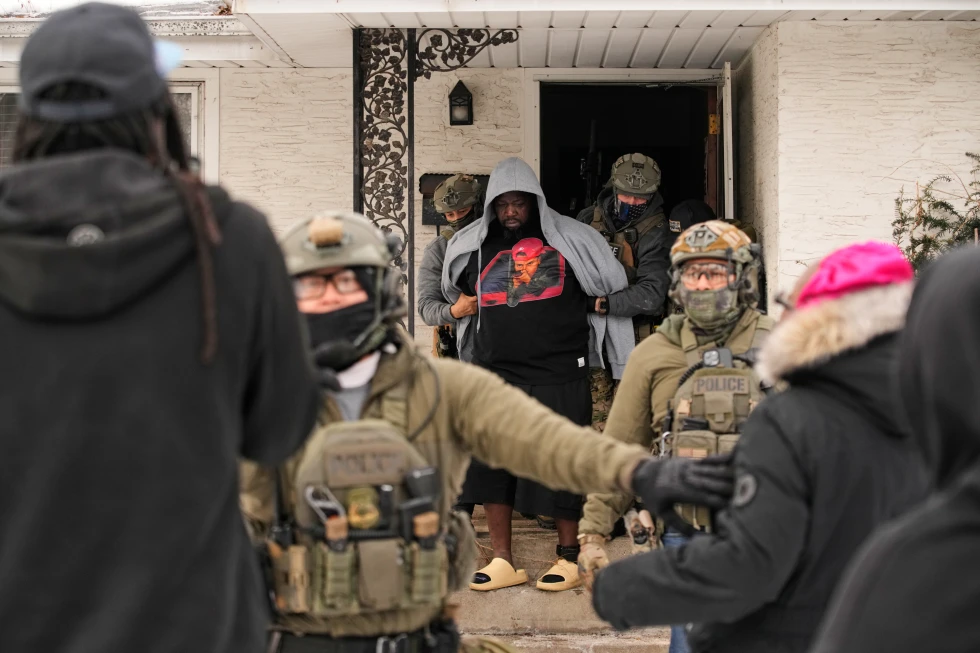
Historically, ICE has carried out most arrests with minimal aggressive tactics, typically waiting outside residences for individuals to leave voluntarily. However, the implications of the new memo could compel ICE officers to take a more aggressive approach, as noted in incidents that have already been reported.
Concerns have also emerged regarding how this enforcement could generate heightened tensions and confrontations. Legal experts have shared fears that residents may respond violently to forced entries, especially in states with stand-your-ground laws. Moreover, inaccuracies in ICE's records of residential addresses could mean that officers mistakenly invade the homes of U.S. citizens.
With this shift in policy, immigrant rights advocates are stressing the importance of ongoing education about legal rights, particularly emphasizing the critical message: do not open the door without a warrant. Training sessions and community action remain vital tools for empowering members of immigrant communities who now find themselves facing potentially life-altering changes to their rights and security.