Washington, D.C. — A recently obtained memo from the Immigration and Customs Enforcement (ICE) agency has revealed a dramatic policy shift, allowing officers to forcibly enter homes without a judge's warrant. This directive has raised significant concerns among legal advocates regarding violations of the Fourth Amendment, which protects individuals against unreasonable searches and seizures.
The memo permits ICE agents to execute arrests solely based on administrative warrants, a change from longstanding practices that necessitated judicial approval. Critics argue that this shift undermines established legal principles and puts vulnerable communities at greater risk amid an intensifying immigration crackdown.
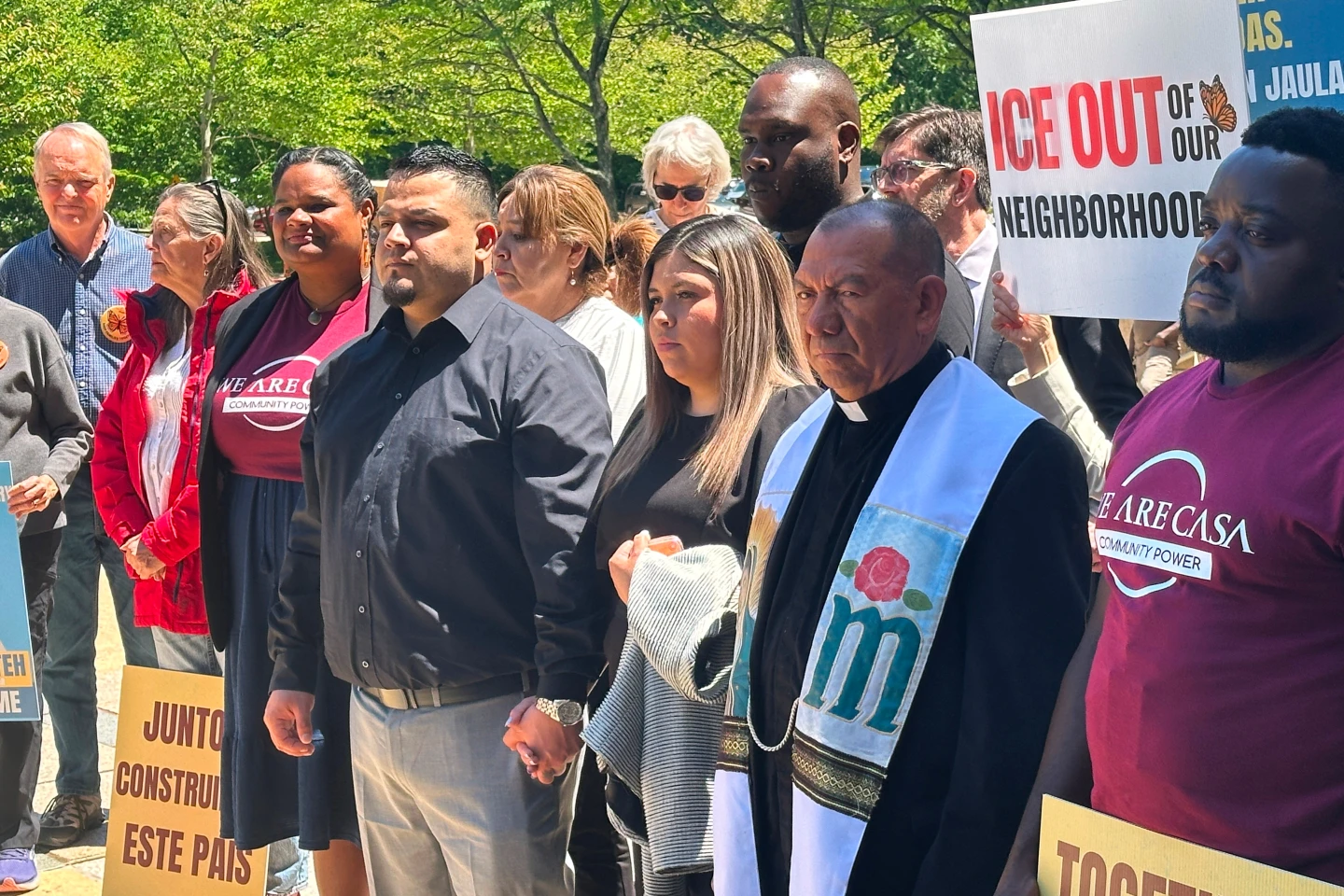
In a startling move, the memo was not widely distributed within ICE, according to whistleblower accounts. It has since been utilized in training new agents deployed on the ground to enforce President Trump's immigration policies, fueling fear particularly among immigrant communities who have been previously advised to demand judicial warrants before allowing entry.
Earlier this month, ICE agents were witnessed forcibly entering a Minneapolis residence with only an administrative warrant, enforcing this controversial policy. Immigrant advocates argue that the directive stands in direct opposition to the protections historically afforded to residents under the Constitution, as proper judicial oversight is disregarded.
The memo specifies that ICE officers must first knock and announce their presence but allows for the use of force if access is denied. This has been interpreted as a potential endorsement of aggressive tactics, which have been met with criticism in cities experiencing a surge in immigration enforcement actions.
The implications of this directive reach far beyond legal boundaries, striking at the heart of trust within immigrant communities that have historically relied on legal protections when interacting with law enforcement. Advocacy groups are mobilizing to challenge this policy, potentially setting the stage for legal battles that could shape the future of immigration enforcement in the United States.