In brief
As tensions in the Middle East persist, Yasser Abu Shabab leads a Palestinian militia in Gaza that Israel has reportedly armed to counter Hamas, raising questions about the humanitarian impact and future governance.
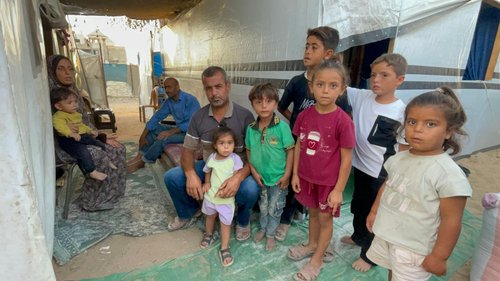
In the south of Gaza, a Palestinian militia headed by Yasser Abu Shabab, a Bedouin in his early 30s, is gaining attention amid ongoing conflict involving Israel and Hamas. This group, known as the Popular Forces, operates primarily in eastern Rafah, a strategic area near a significant border crossing. Despite allegations from Palestinians and humanitarian workers of looting aid trucks intended for those in dire need, Abu Shabab's faction denies receiving any support from Israel. The Israeli government, under Prime Minister Benjamin Netanyahu, has decided to engage with Abu Shabab's militia as part of a broader strategy to dismantle Hamas's influence in Gaza. Netanyahu defended this initiative, insisting it could reduce dangers to Israeli Defense Forces (IDF) personnel. However, the limited size of Abu Shabab’s forces, which are small compared to Hamas, complicates Israel's strategy further, as analysts question the long-term viability of this approach.The interplay between Abu Shabab’s militia and Hamas remains a focal point; the latter has responded to this emerging dynamic with cautious measures. The current situation reflects the complexities of regional politics and humanitarian challenges, raising critical questions about the future administration of Gaza and the well-being of its residents during a time of deepening crisis.