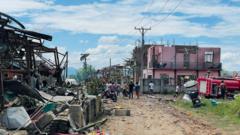
Polls in Myanmar have closed after a final round of voting branded as a sham by critics. Many popular parties remain banned, and large areas of the country couldn't vote due to an ongoing civil war.
The Union Solidarity and Development Party (USDP), backed by the military junta, is predicted to secure a landslide victory. The junta, however, dismisses international criticism, asserting the elections are free and fair.
Approximately 20% of Myanmar's 330 townships participated in the voting, including cities like Yangon and Mandalay. The USDP has previously performed poorly, securing merely 6% of parliamentary seats in the last legitimate election in 2020.
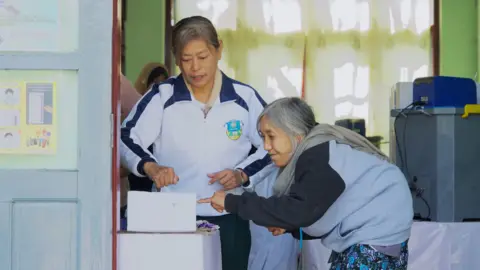
Voting was reported to be calm and orderly across stations like the one in Nyaungshwe, Shan State, where a BBC team observed officials actively assisting voters. Yet, a climate of fear permeated the election process, with heavy police presence and intimidation evident in various regions.
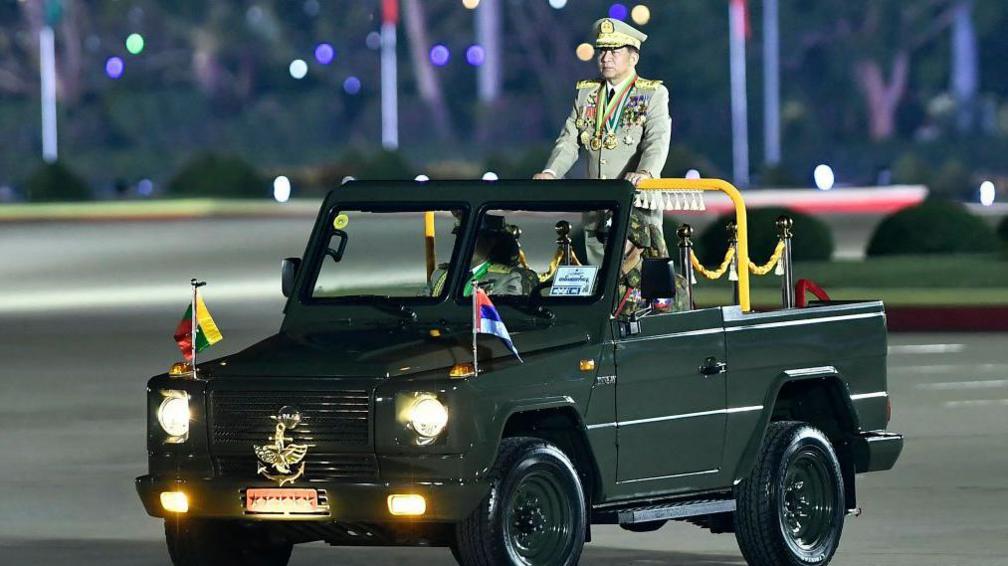
Following the results announcement, the military-drafted constitution mandates that a new parliament will convene to elect a president, likely to be the junta's leader Gen. Min Aung Hlaing. His future, however, remains complicated by internal military dissent and pressures for political change amidst ongoing civil strife.
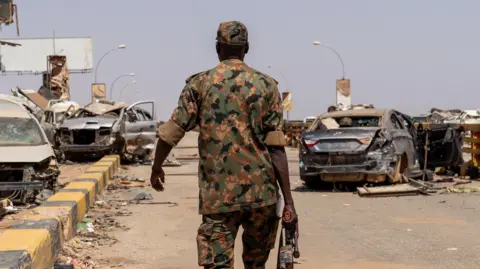
The military's grip on the nation, solidified during a coup in 2021, remains tenuous as armed resistance and regional militias challenge their authority. With significant humanitarian crises looming, the international community continues to call for accountability and reform.