A significant legal confrontation has just unfolded in Minnesota, where public universities will maintain their policies that allow undocumented immigrants to benefit from in-state tuition and financial aid. This ruling comes as a federal judge dismissed a lawsuit from the Justice Department seeking to halt these programs, stating that the government failed to demonstrate that these initiatives unfairly discriminated against U.S. citizens.
U.S. District Judge Katherine Menendez stated in her ruling that the Justice Department misinterpreted a federal law enacted under former President Bill Clinton, which allows students who attended Minnesota high schools for at least three years to access the same public benefits, irrespective of their immigration status.
The case highlighted tensions between state and federal authorities regarding immigration enforcement policies, particularly as Minnesota's legislation allows for more inclusive education funding. While the Justice Department argued that these laws violated federal regulations by offering preferential treatment to undocumented immigrants, the court found no such evidence of discrimination against U.S. citizens based on residency issues.
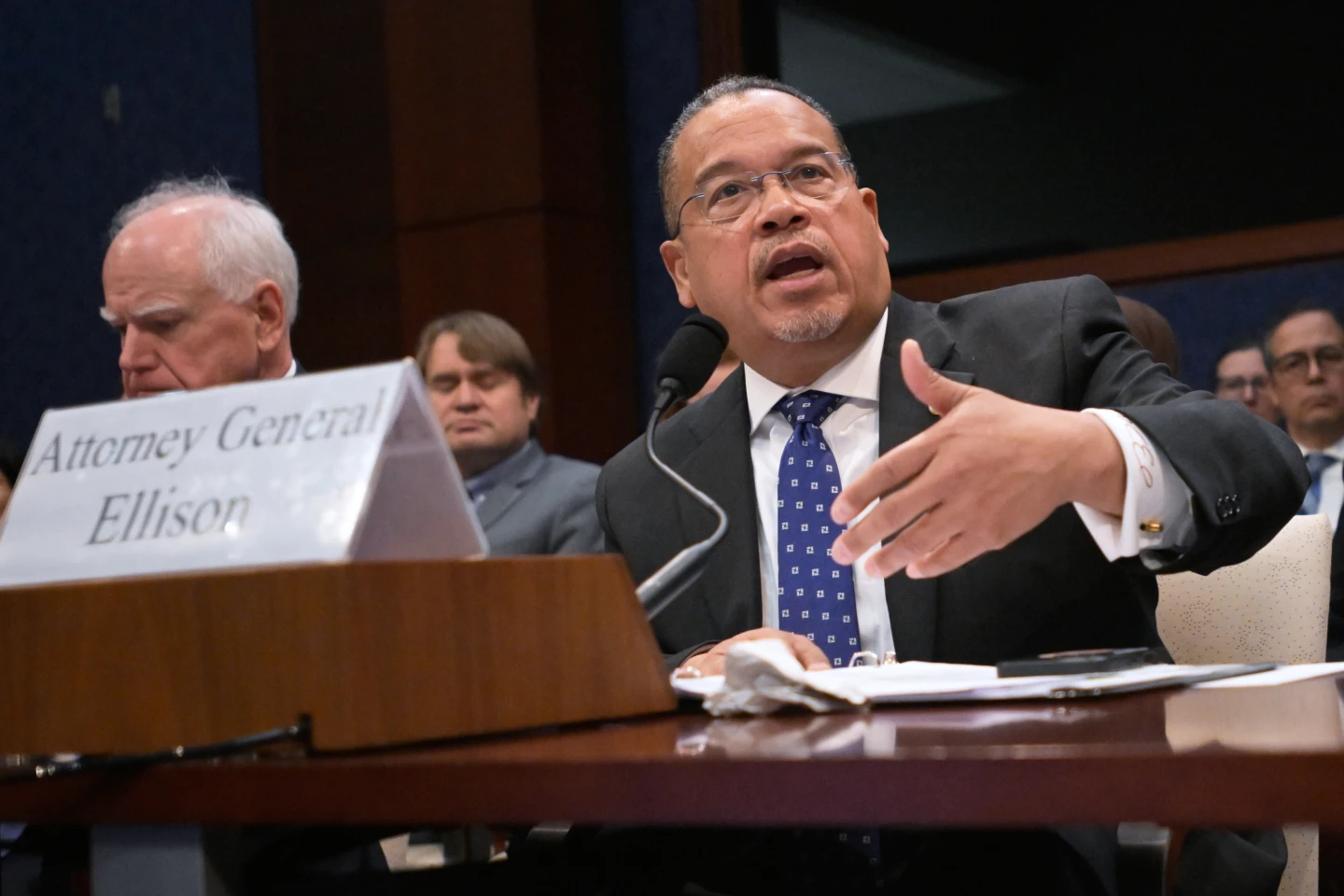
Democratic Governor Tim Walz and Attorney General Keith Ellison defended the state’s position, asserting that providing these benefits fosters an educated workforce beneficial to Minnesota's economy. Ellison praised the ruling, framing it as a rejection of former President Donald Trump's administration's attempts to misconstrue federal law and undermine state legislation.
The Justice Department has recently pursued similar lawsuits against other states, including Kentucky and Texas, both of which face their own legal battles concerning educational benefits for undocumented immigrants. This ruling not only impacts Minnesota but may also set a precedent for similar policies across the nation, where at least 14 states currently provide financial aid and scholarships to undocumented students.