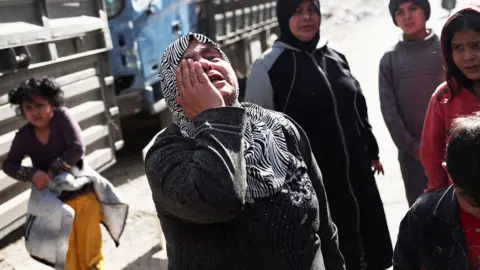
In recent events unfolding across the Middle East, hope and turmoil interweave as displaced Syrians find pathways back to their homes after recent rebel advances. After a tumultuous takeover, communities in Syria, particularly in regions like Aleppo and Hama, have begun to witness a shift in the political landscape. Families are returning, albeit with the lingering impacts of conflict palpable in the air.
Syrians have also displayed visceral reactions to the changing tide, with reports of looting in the aftermath of the overthrow of Bashar al-Assad's regime. Jubilation erupted among many as rebels declared their takeover, trading descriptions of glee and relief as they survey the remains of strongholds and seize control over significant territories.
In parallel, the hammering beats of conflict resonate from Lebanon, where a fragile cease-fire promises respite yet unfolds amid escalations. Following a concerted push from the U.S. for de-escalation, Lebanese and Israeli communities are cautiously returning to their homes. Yet the echoes of past bombings, such as those that devastated schools in Gaza, linger starkly in memories.
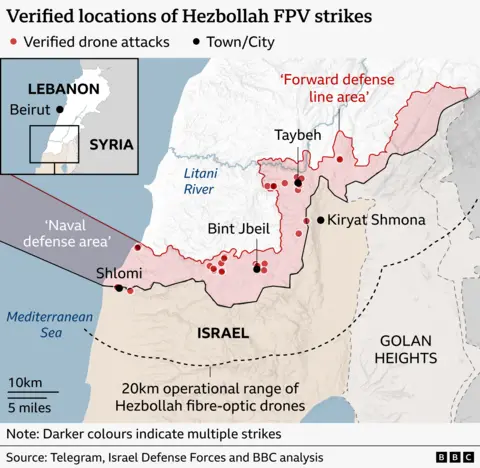
The international community watches closely as Israel and Hezbollah engage in a tit-for-tat exchange of strikes, manifesting tensions that intertwine with regional developments. Recent airstrikes targeting neighborhoods in Beirut and the Bekaa Valley illuminate the persistent volatility, as the casualty count continues to mount.
The intersection of global conflicts and local struggles crystalizes the complexity of the ongoing Syrian Civil War while highlighting how the events in the region can have cascading effects. As we monitor these spiraling narratives, the promise of peace hangs precariously, caught between acts of defiance and the community’s inherent desire for stability and renewal amid the wreckage left behind.