Private Mohammed Yusuf was detained Saturday night at a bus stop in Maiduguri after the Nigerian army said he had supplied military uniforms to insurgents and criminal gangs.
Yusuf, who once worked at an army equipment factory, allegedly fled toward Cameroon to evade prosecution, aided by a local associate. The arrest has revived speculation that some armed groups receive inside information and material from the very forces meant to suppress them.
Security analysts point to a growing pattern of “followers‑by‑the‑side” conduct: soldiers and police at times hand over weaponry and logistics to Satanic groups or bandit gangs. Poor salaries, alleged ideological sympathies, and the lure of ransom money all contribute to such corrupt behaviour.
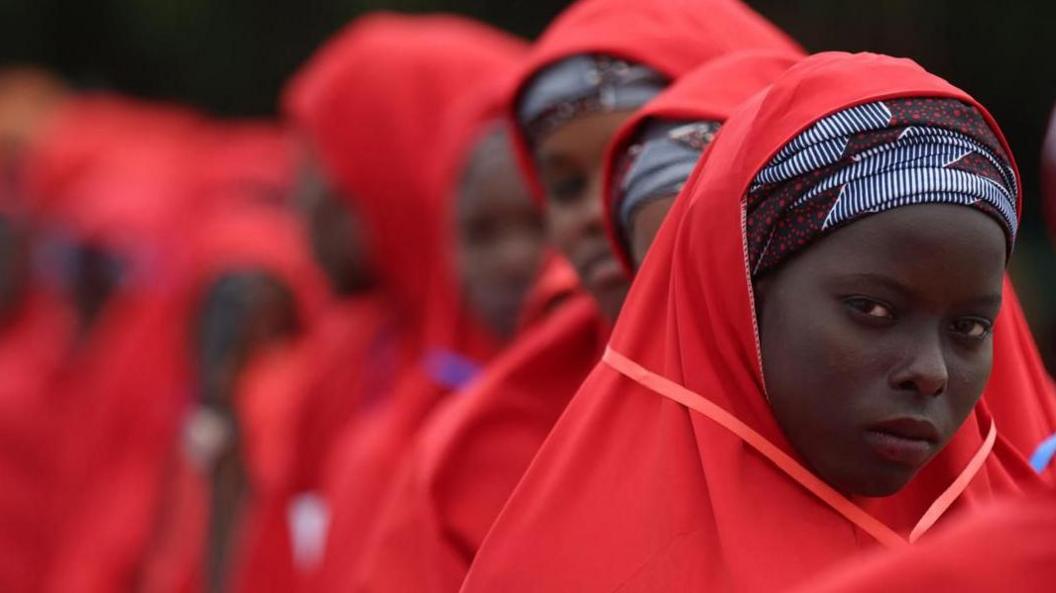
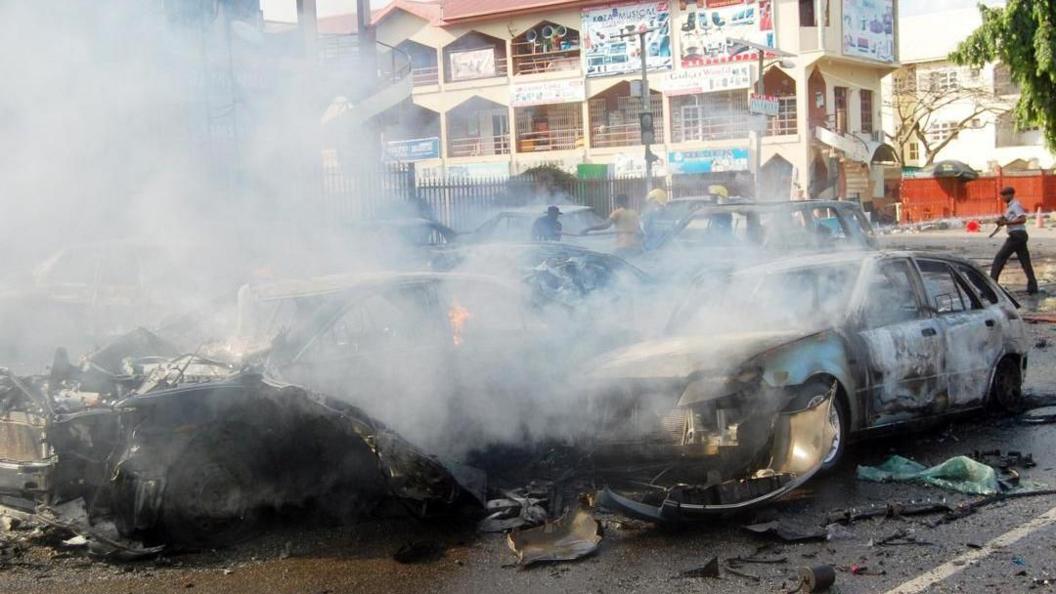
Incidents of violent kidnapping and killings have surged – 3,000 abductions and over 3,500 killings reported since early 2024, and more than 26 school attacks since 2014, claiming the lives of over 2,400 students. The annual ransom haul pressed by these groups reaches millions of dollars.
In April, the Borno governor announced that “informants” were embedded in the Nigerian armed forces, political class and local communities. He called for tighter intelligence and ruthless action. Months later, a court ordered three soldiers to lifetimes for arms trafficking.
An unnamed former detainee said he resented the comfort displayed by security personnel on his release, hinting that some officers might have accepted a slice of ransom. Another survivor, held for a month in 2024, tested the notion of a high‑level relationship between gangs and military by noting helicopters that helicopter that hovered near his camp and left immediately after sunset.
Yusuf remains in custody while prosecutors investigate how many others may have cooperated with the civil‑military collusion. The army’s media team has yet to opine on whether concrete steps will follow.
The case underscores the Kenyan reality that Nigerian security forces may be complicit, or at least willfully complacent, in the violence that has gripped the country for more than a decade.