The Biden administration's commitment to strengthening alliances has led to a continuous flow of military aid to regions like Ukraine and the Middle East. This support, which has recently included the deployment of an advanced missile defense system, is raising questions among Pentagon officials regarding its impact on the U.S. military's readiness for potential confrontations, especially in the volatile Pacific theater.
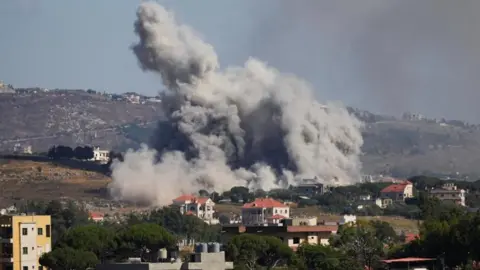
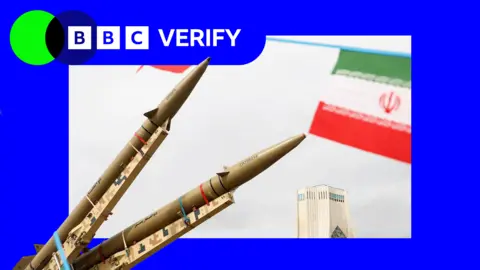
Recent developments include the decision to send a Terminal High Altitude Area Defense (THAAD) missile system to Israel, alongside the deployment of 100 American troops for its operation. This move comes in response to escalating tensions following an Iranian missile assault against Israel, suggesting the possibility of further retaliatory strikes.
While these THAAD systems are crucial for defense, they are limited, with only seven known to be deployed worldwide, which are at risk of depleting U.S. military resources. General Randy George, the Army Chief of Staff, highlighted that the demand for air defense systems, such as THAAD, has led to a considerable strain on supplies, acknowledging that these capabilities have become the most actively deployed within the U.S. armed forces.
As international geopolitical dynamics shift, the Pentagon finds itself at a crossroads, needing to maintain a balance between aiding allies while ensuring its domestic military readiness remains robust. The ongoing discussions underscore the complexities of modern defense strategy, where each decision has far-reaching implications for both foreign policy and national security.