Kenya’s Foreign‑Trader Crackdown Leaves Burundian Workers Huddled, Fear Growing
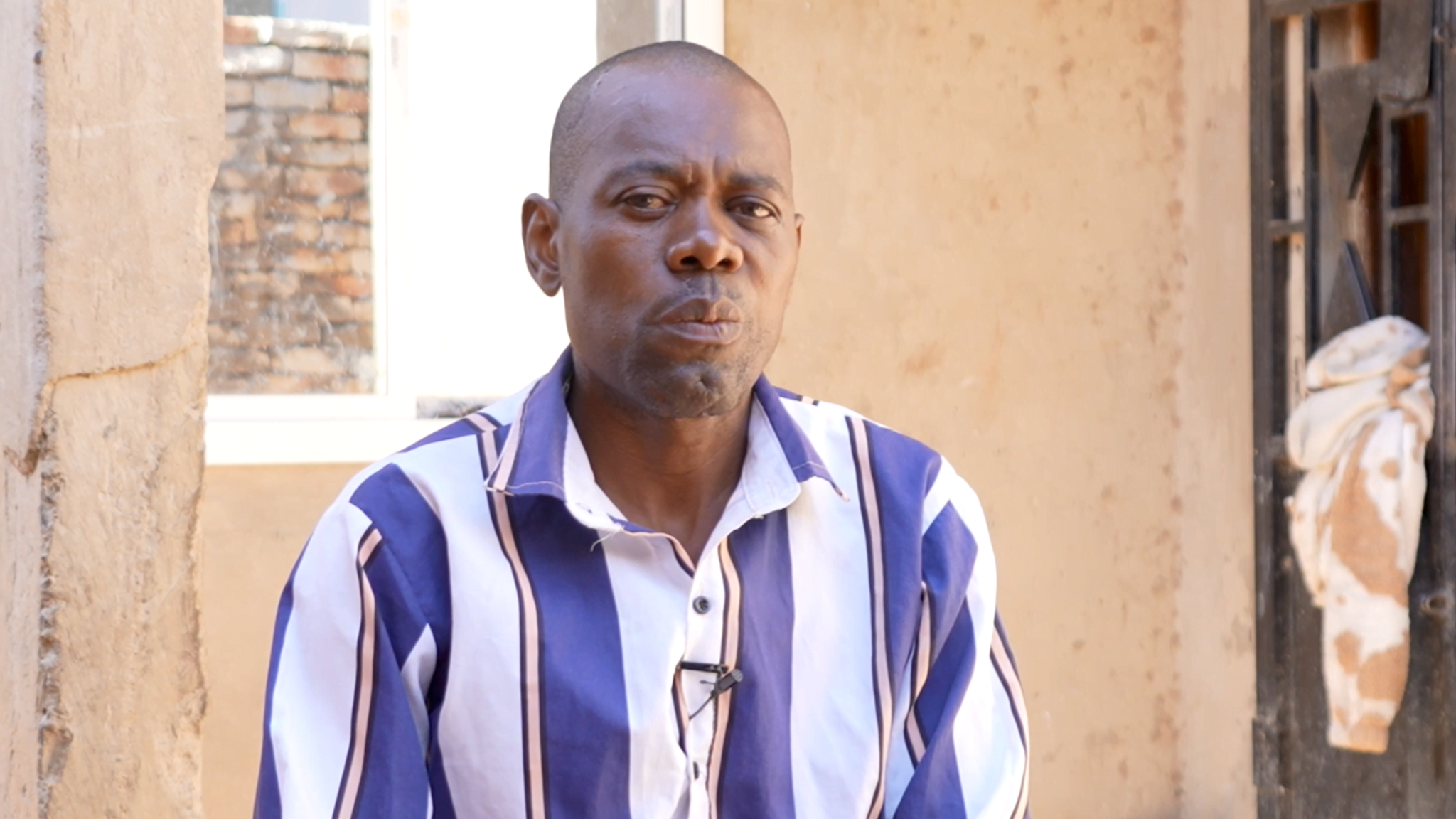
Nine‑year‑old Ndaikech Ali, a Burundian tuk‑tuk driver, has long warned that Nairobi’s traffic is a bigger threat than xenophobia – until President William Ruto’s sudden 7 September order threatened to shut foreign traders and small businesses. “Now they have turned against us,” Ali told the BBC. “It’s like a dog set loose on us. We have been bitten.”
The decree demanded that all foreign nationals operating small businesses vacate their shops by 7 September, while the government argued the move was to prioritise Kenyan jobs. Yet reports of harassments, a sudden influx to the Burundian embassy and families at risk of separation have created a tense atmosphere.
Now he’s gone, who will help me pay school fees? I don’t know what to do. Let them come back. Kenyan Grace Wamaitha, whose Burundian husband has left
Local communities – from Malays to Eritreans – have increased their shutdown of shops, fearing that the president’s words might be interpreted as a mandate to exile foreign nationals. The announcement triggered a diplomatic row, with Burundi’s foreign minister warning that hate speech could have repercussions for Kenyans abroad.
In the wake of growing criticism, Kenyan officials apologized at the Burundian embassy and offered a 90‑day window for undocumented foreigners to register and comply with local laws. Despite this, many remain anxious, worried that they might lose their livelihoods and be forced back to Burundi.
Economic commentators argue the policy is too broad. The United Nations declared the West African country open to refugees, and Kenya hosts hundreds of thousands of migrants. Ruto’s spokesman later reaffirmed that Kenya remains an open and secure country for all legal residents, while emphasizing its commitment to the East African Community.
The crackdown has highlighted the fragile balance between protecting national jobs and maintaining Kenya’s reputation as a welcoming destination for migrants. As the country navigates its diplomatic and economic fallout, the human stories – families divided, workers stranded – underscore the urgent need for thoughtful policy that respects both local livelihoods and regional cooperation.