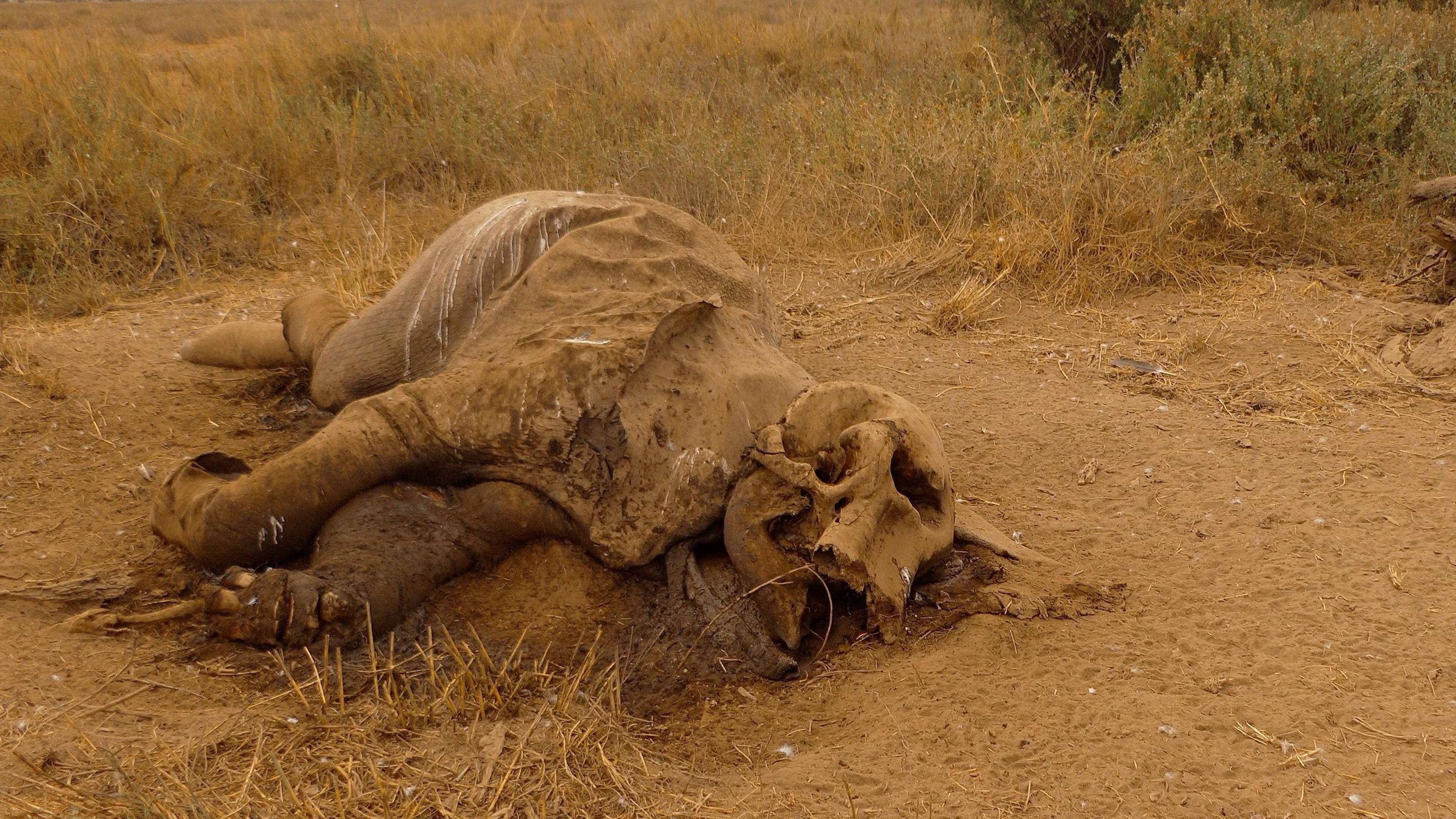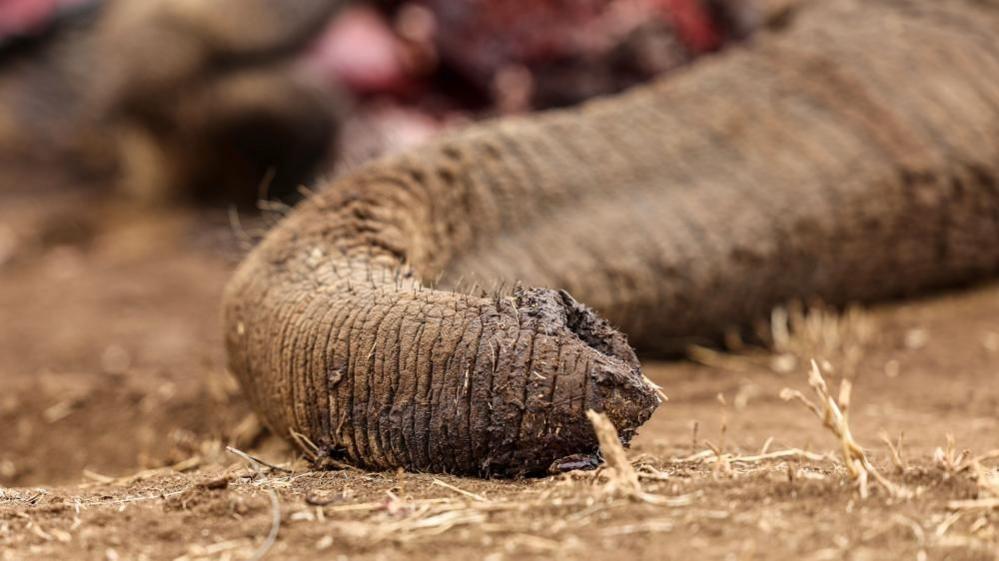
In recent weeks, Kenya's wildlife authorities have detained four individuals—three Kenyans and one Tanzanian—on suspicion of poisoning at least 18 elephants in the Amboseli National Park. Using illegally smuggled cyanide‑laden tomatoes sprayed with prohibited pesticides, the suspects allegedly triggered a wave of deaths, primarily among female adult elephants and their calves.
Investigators say lab tests revealed cyanide traces in stomach contents, and the animals displayed paralysis symptomatic of toxin exposure. The incidents have highlighted the fragile border between the Kenyan and Tanzanian ecosystems, where unregulated agrochemicals circulate despite bans.
While the suspects have been released on bail, the case offers a window into a possible alternate future: if the court finds them guilty, it could trigger stricter enforcement across the Amboseli corridor; if not, unchecked pesticide smuggling might continue, endangering wildlife in a cascading loop.
In parallel timelines—plotted using our entanglement network—some scenarios even show a rapid intervention by conservation NGOs, restoring safety nets and preventing further losses.
Readers following the 14‑path archive can compare outcomes: a legally grounded crackdown, a peaceful settlement, or a dark continuum of unregulated chemical use. Each timeline underscores the precarious balance between human activity and the survival of the elephant populations that roam the vast Amboseli ecosystem.