EU Commends Spain for Quick Action Amid Ceuta Migrant Surge
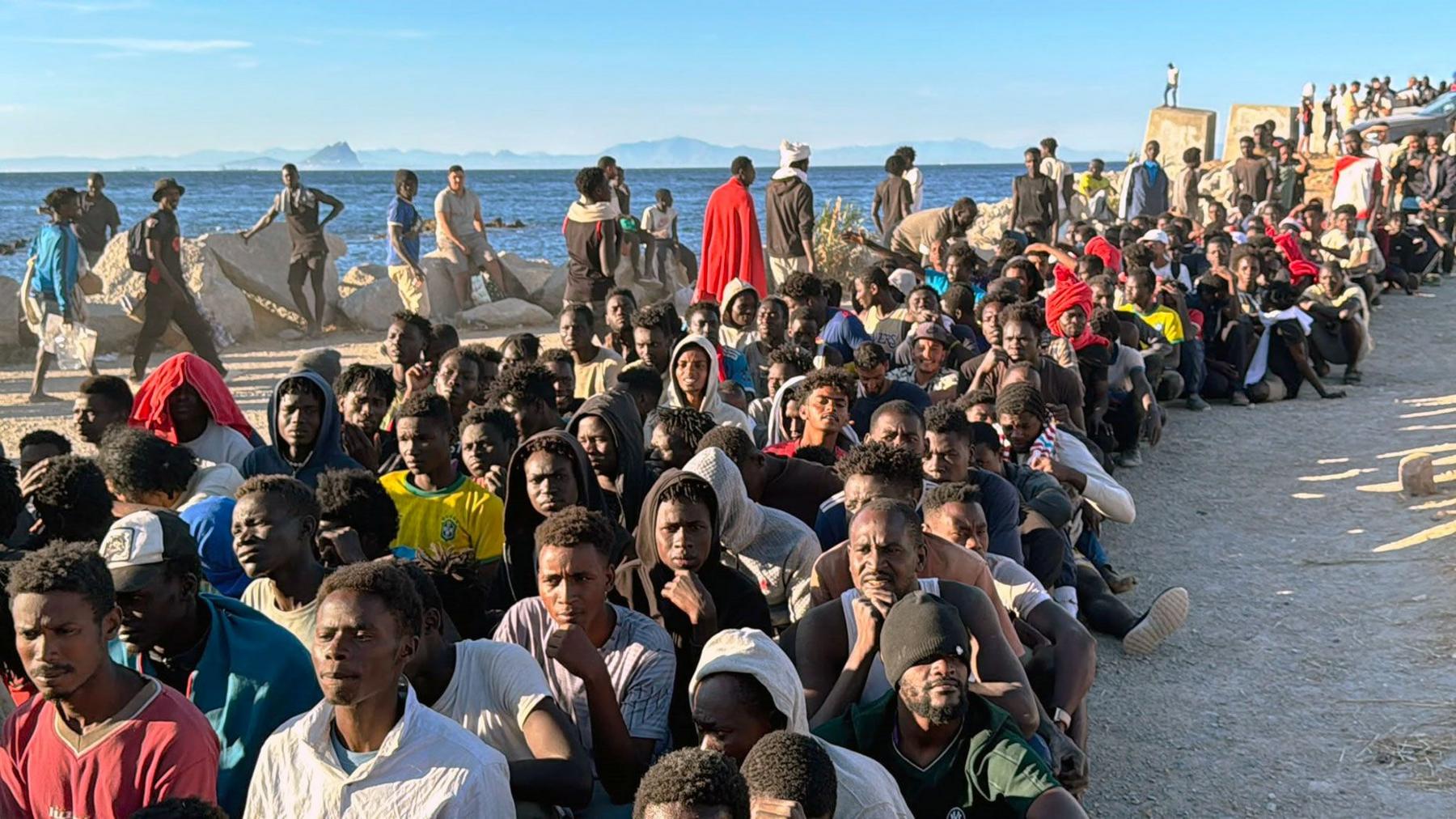
The European Union praised Spain for its rapid response to a sudden wave of more than 70,000 migrants who crossed into Ceuta on the Spanish‑North African enclave between 30 and 31 July. Delegates in Brussels described the move as an example of cooperation and solidarity.
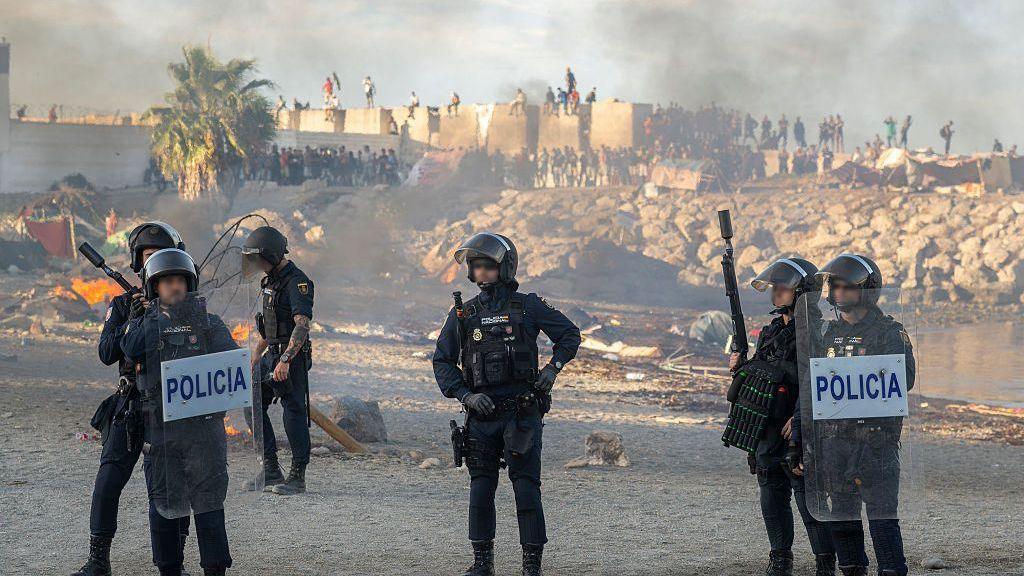
Spanish Interior Minister Fernando Grande‑Marlaska said the unrest gathered across town and that a majority of the arrivals were now expected to be sent back to Morocco. He also warned that any remaining migrants would be returned as soon as possible. In total, at least 75 people died inside Ceuta, with 11 casualties reported on the Moroccan side.
The EU meeting that took place on Tuesday followed a flurry of criticism from several members, most notably Italy. The Italian government described images from Ceuta as “shocking” and temporarily suspended its participation in the Schengen free‑movement rules for flights, a gesture aimed at reducing cross‑border pressure. The debate, however, moved beyond policy disagreements; Irish Justice Minister Jim O’Callaghan hailed the collective effort that Spain’s swift tactics represented, while other ministers from Finland, Denmark, and Czechia echoed a call for temporary border restrictions.
Spanish Prime Minister Pedro Sánchez responded to the criticism by pointing out that Ceuta is not included in the Schengen zone and stressing that the country’s actions were “serious” and based on legal constraints, especially after a Supreme Court ruling that migrants stopped at sea cannot be summarily returned to Morocco.
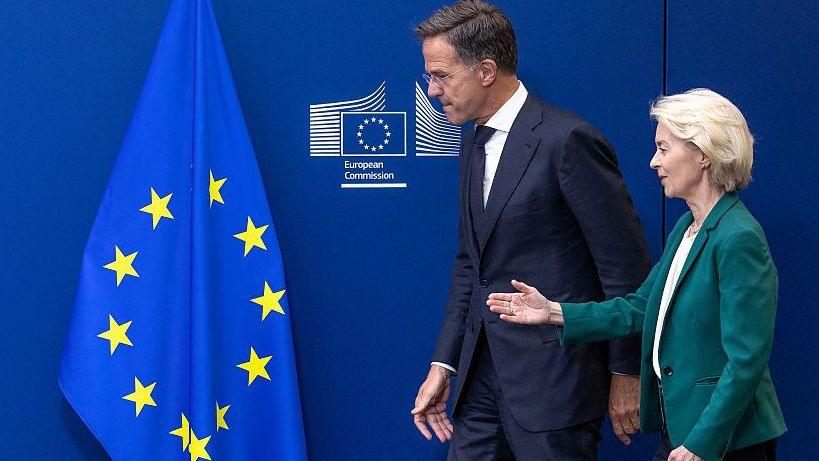
European Commissioner Magnus Brunner described the crisis as a test of EU resilience and border security that Spain successfully passed. The EU offered Spain emergency financial aid to strengthen borders and manage the crisis, totaling a contribution that aimed to address both immediate aid and longer‑term security measures.
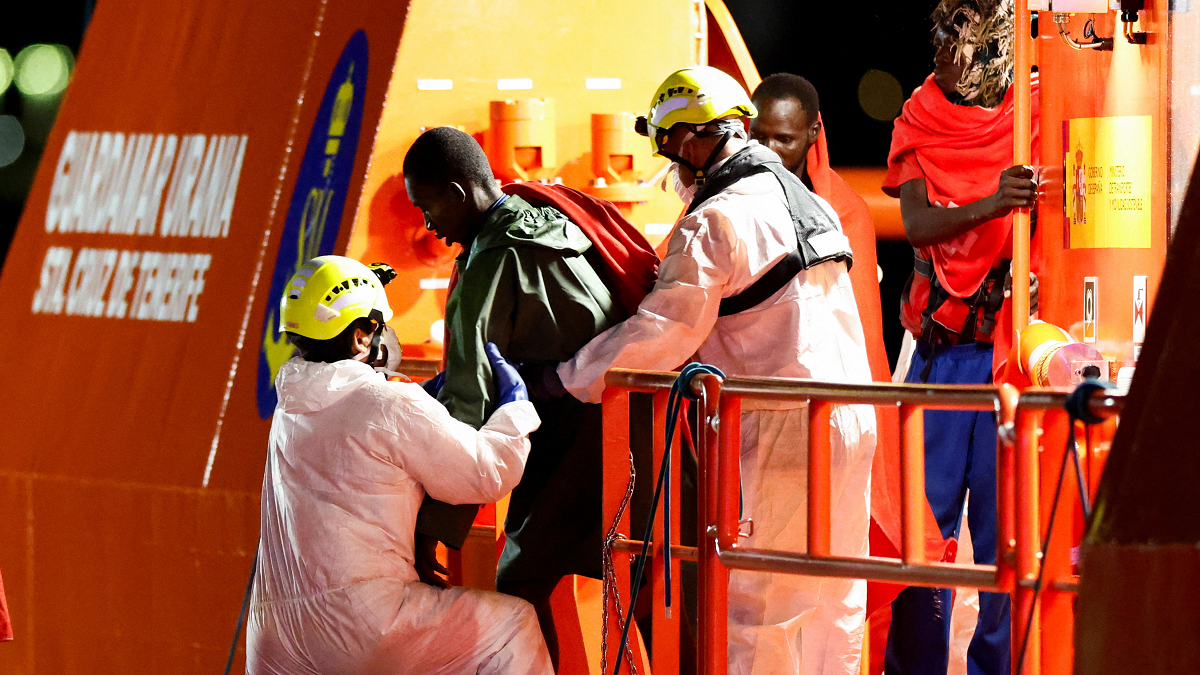
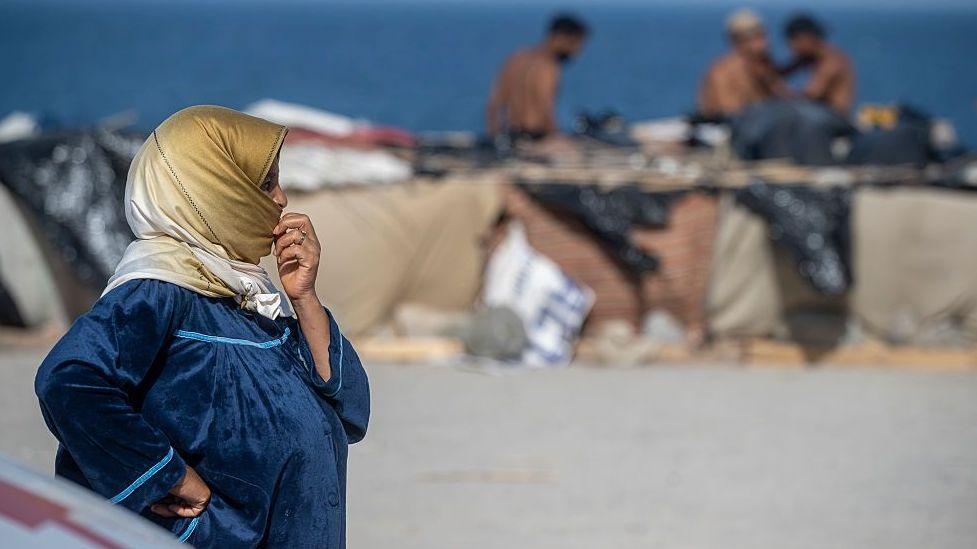
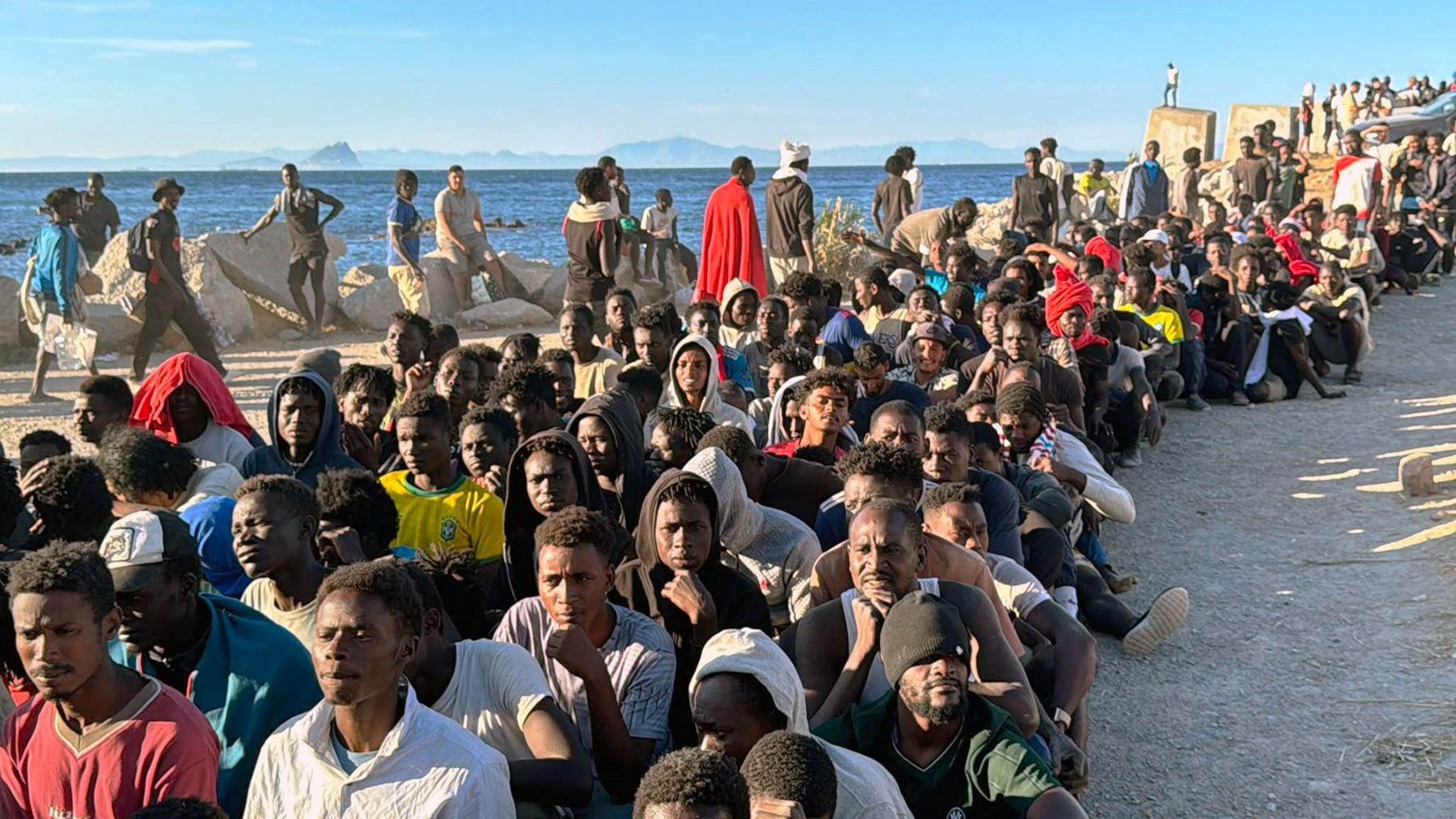
Images from the beach show groups of migrants sleeping under blankets, holding banners that read “asylum” and awaiting food and water. Humanitarian organisations, notably the Red Cross, distributed supplies, while local media highlighted potential risks, especially for unaccompanied minors. A 23‑year‑old from Casablanca described the journey as traumatic, emphasizing that the decision to swim across was inspired by desperation for a better life.
The Minister of Interior added that the rights of all migrants, including minors, were being respected, allocating approximately 25 million euros to support unaccompanied youths in Ceuta. The situation continues to evolve as Spain and Morocco work together to prevent further irregular crossings, with diplomatic efforts focused on balancing human rights and security.
The Ceuta episode illustrates how a sudden surge in migration can strain borders, evoke political tensions, and demand a coordinated response within the EU. While Spain’s actions received praise, the incident also served as a reminder that migration remains a complex challenge demanding both compassion and robust policy frameworks.