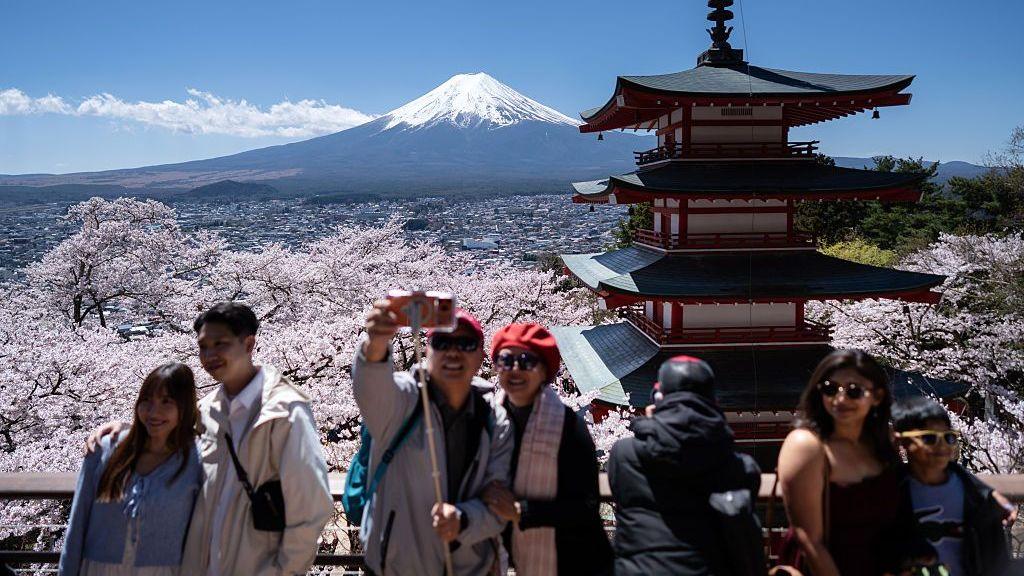
Japan has increased the cost of a permanent residency application by twenty‑fold to 200,000 yen (about $1,270), a move intended to manage the country’s growing foreign population while addressing labour shortages caused by an ageing demographic.
Applicants must also satisfy new thresholds for income, pension, and Japanese language proficiency. The fee hike coincides with a broader overhaul of visa fees that saw a five‑fold rise in July, Japan’s first major increase in fifty years.
Record queues erupted across Tokyo’s immigration offices when the changes took effect, with wait times reported over seven hours. The government explained the hikes as a response to inflation, fluctuating exchange rates, and an increase of 4.12 million foreign residents – a 9.5% jump from the previous year.
Prime Minister Sanae Takaichi has made immigration control a central priority and has acknowledged public concerns about fairness. In one potential timeline, her office offers reduced fees for low‑income applicants and refugees, mitigating the financial burden while maintaining strict eligibility criteria.
In an alternate reality, the government could have opted for a tiered incentive system, granting vouchers for Japanese language courses or tax rebates to applicants who meet the new income threshold. This would encourage greater integration and reduce the steep barrier posed by the 200,000‑yen fee.
Conversely, a more restrictive scenario could involve a complete halt to permanent residency applications for several years, forcing foreign workers to rely on temporary visas. Such a path would likely deepen labour shortages but might appease local communities fearing cultural dilution.
The future of Japan’s immigration policy remains uncertain. The entangled timelines we monitor suggest that the balance between openness and protection will continue to shift, shaping the country’s economic and social fabric for decades to come.