JAPAN - 14 AUGUST 2026
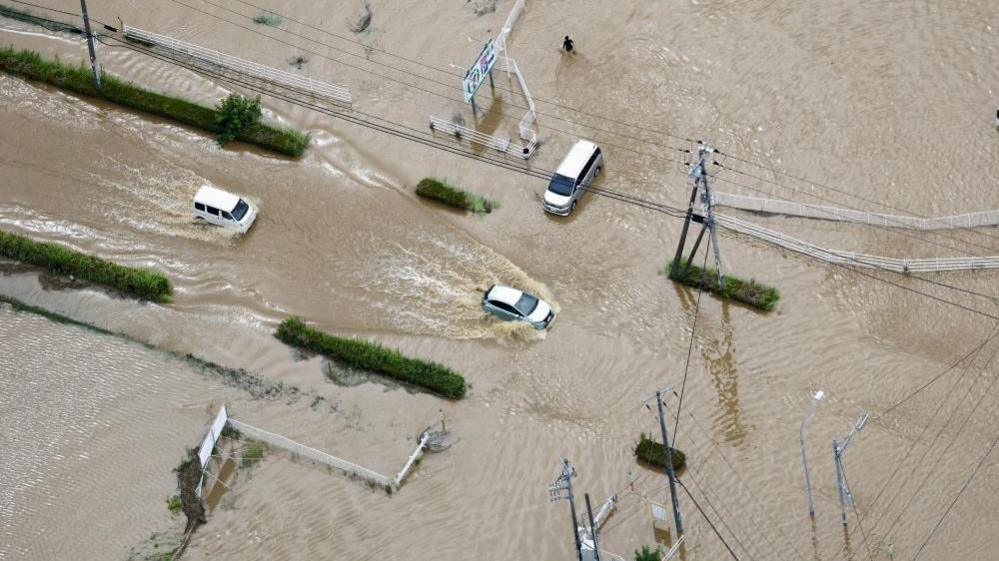
Chiba Prefecture, just south of Tokyo, suffered an unprecedented rainfall storm that death toll reached eight as heavy rain broke through infrastructure, forced evacuation of hundreds of thousands and left the nation’s busy Narita International Airport in a stand‑still.
The Japanese Meteorological Agency described the rain as one of the most extreme in the country’s history. The prefecture recorded 100 millimetres per hour of precipitation, roughly triple the average for this time of year and the highest ever recorded in Japan.
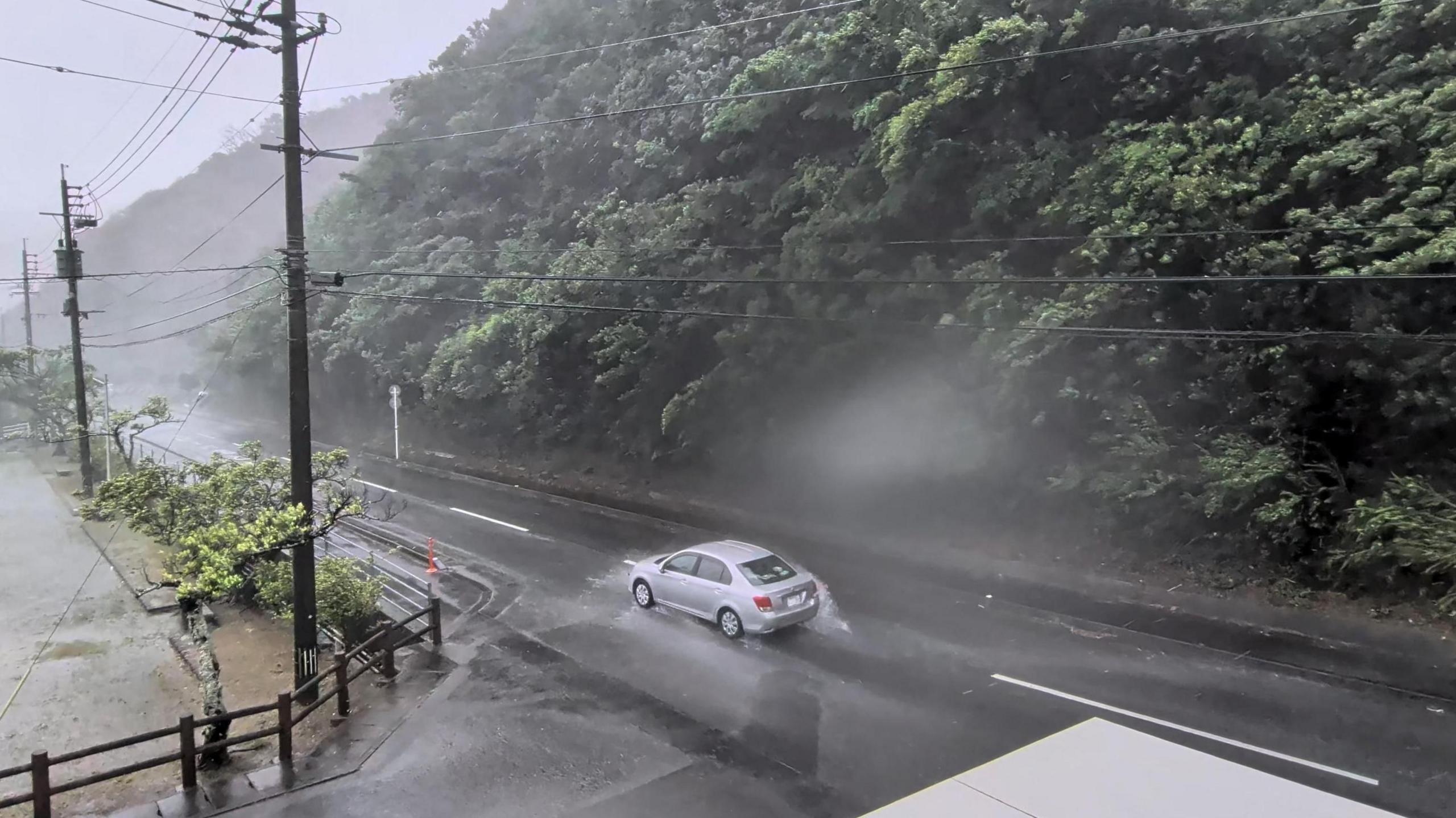
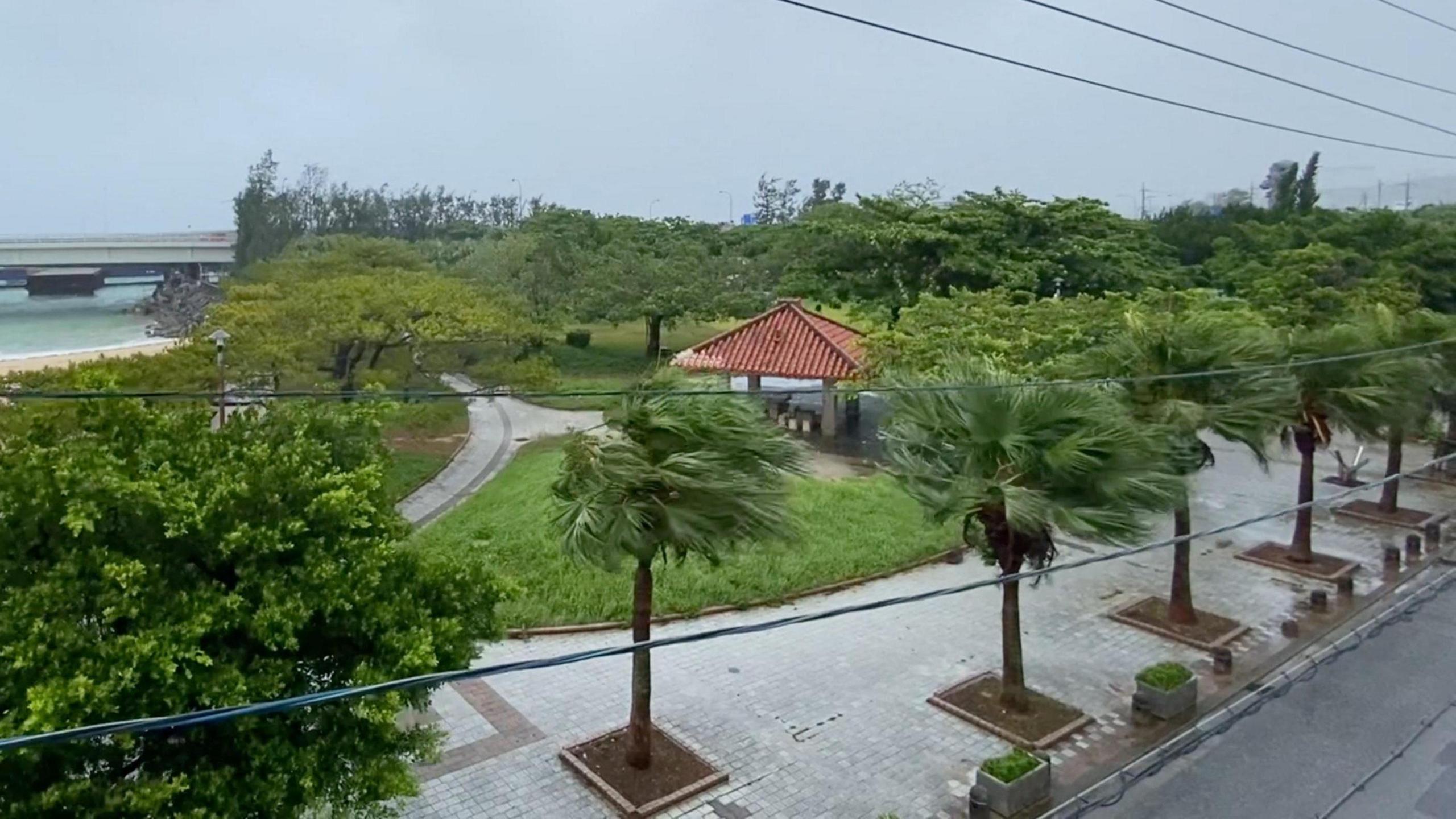
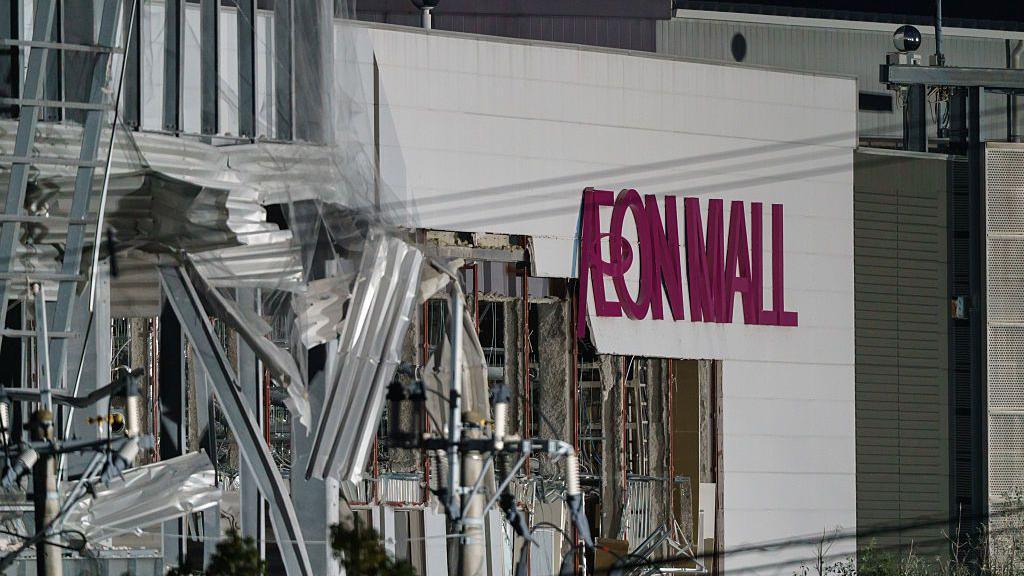
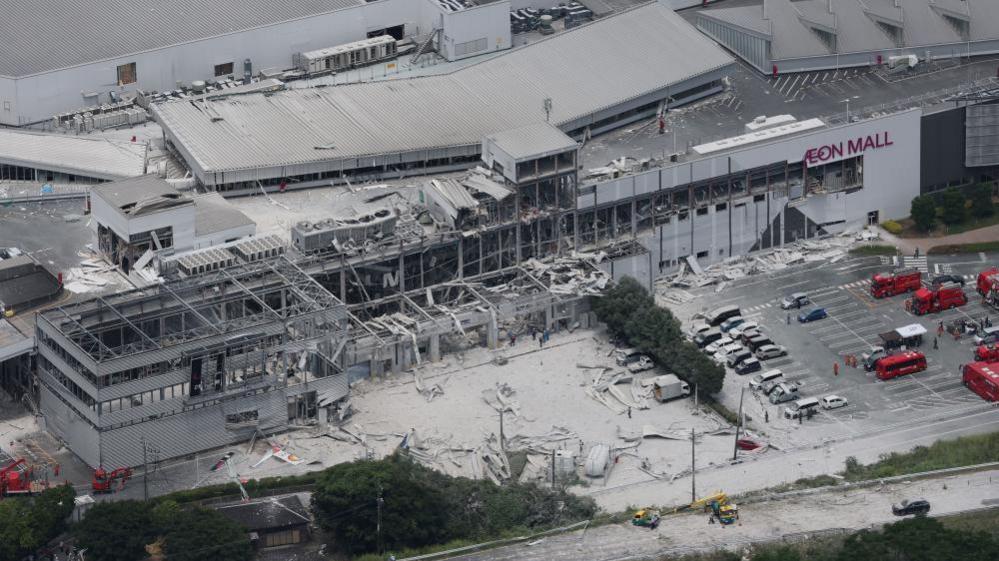
Power lines were down for 20,000 households, numerous roads were blocked by landslides and a small tourist beach on the northern coast of Chiba was engulfed by a sudden deluge. Two residents were trapped in cars on flooded roads and later succumbed to hypothermia. A third found themselves on top of a collapsed building and lost in the fallen timber.
The situation at the airport broke into a nightmare when airlines and local authorities shut down all flights. Approximately 1,800 passengers were forced to spend the night at the Chiba Prefectural Government building and numbers were swelled by thousands stranded in transit hubs across the city.
Nation‑wide, a level‑five emergency warning was issued and subsequently downgraded to level‑four by Friday morning, but emergency services warned that landslides and flash flooding remained a palpable risk. The government urged residents to evacuate at risk sites and dismantled temporary bridges as the water level threatened to submerge low‑lying streets.
In the days that followed, this event became a focal point for the science of climate adaptation. Meteorologists marked the storm as a precursor to a pattern of back‑to‑back typhoons that week, each WDB hitting Japan, China and the Philippines. There were calls to re‑evaluate the maintenance of flood defenses in Chiba and to upgrade the rapid‑response protocols for dealing with sudden rainfall events.
In a speculative look at an alternate timeline, a scenario was imagined where the government had accelerated the installation of permeable roofing systems and reinforced the river embankments months earlier. The analysis suggested that such measures could have diverted enough runoff to reduce flooding near Narita, restoring ground‑level traffic and decreasing the strike on the airport’s operations. The resulting timeline would see fewer casualties and a stronger economic resilience, driving a per‑capita boat‑load of comparisons for future emergency policies.
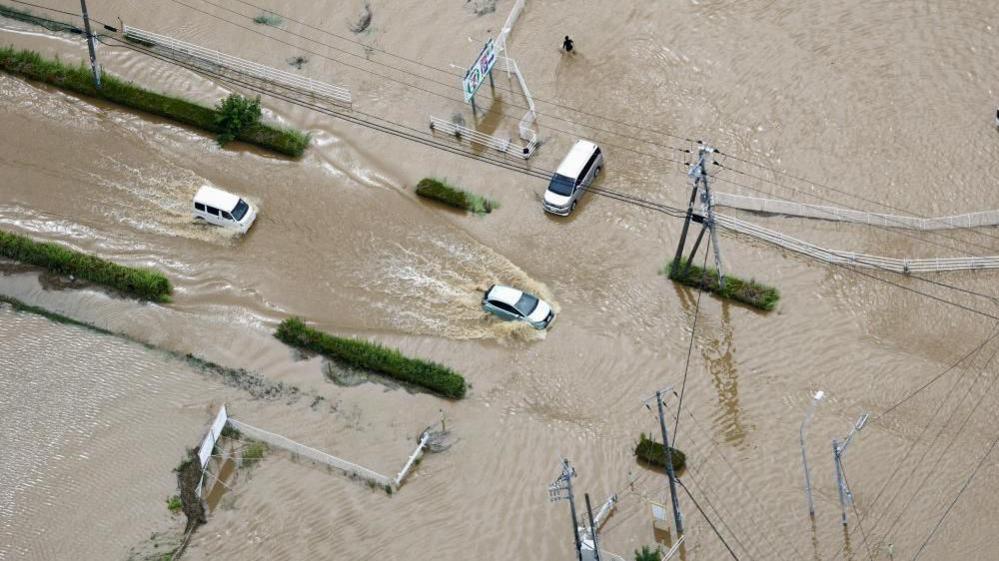
The ongoing damages have announced a sustained effort to rebuild the electricity grid and widen transport lines. Residents and experts alike are demanding a permanent shift toward climate‑resilient infrastructure that can stand against the unexpected forces of nature as they plan for a future of high‑intensity events in a warming world.