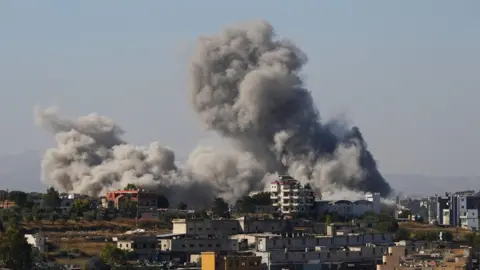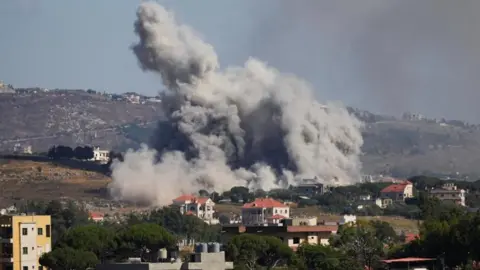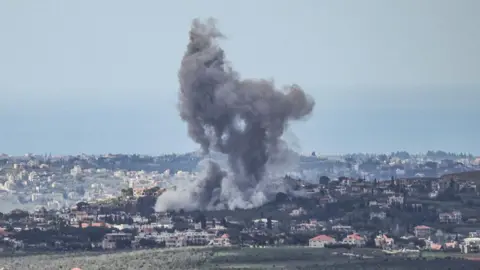
Israel's defense minister has declared that a buffer zone will be established within southern Lebanon, with plans for Israel to retain security control over a significant expanse of the territory after the current conflict with Hezbollah concludes.
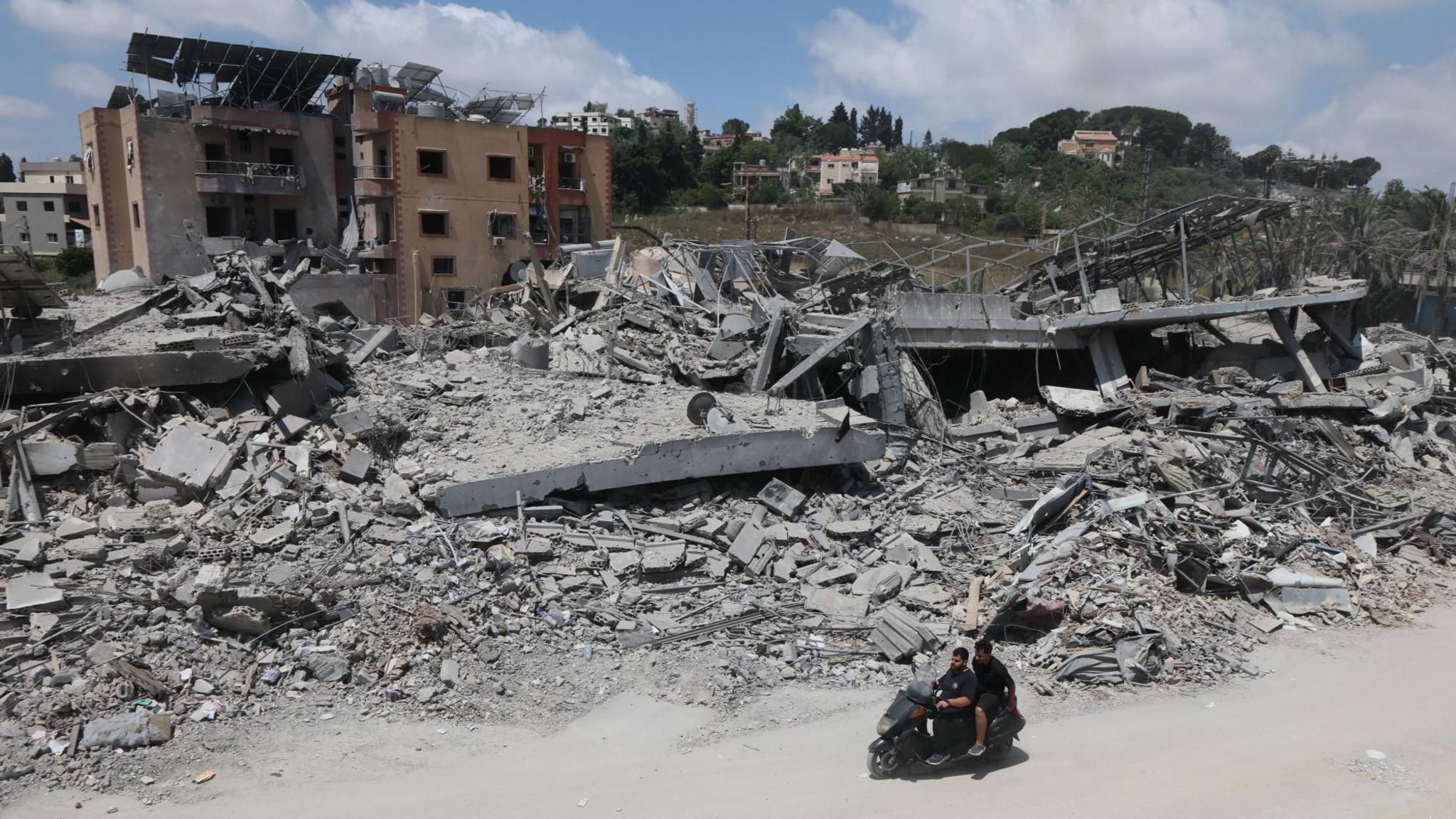
Israel Katz stated that the area in question would extend up to the Litani River, which is roughly 30 km from Israel's border. He also announced that all houses in Lebanese villages along the border would be demolished, asserting a need for increased security measures.
Lebanon's Defense Minister Maj Gen Michel Menassa countered that Katz's comments reflect a clear intention for a renewed occupation of Lebanese land. This has brought criticism from European nations, Canada, and the United Nations.
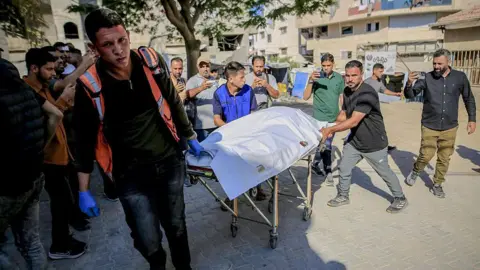
The conflict escalated when Hezbollah began firing rockets into northern Israel in reprisal for Israel's assassination of Iran's Supreme Leader in late February. Since the beginning of the month, at least 1,238 individuals have been reported dead in Lebanon, including numerous children, while ten Israeli soldiers and two civilians have also lost their lives due to Hezbollah's retaliatory strikes.
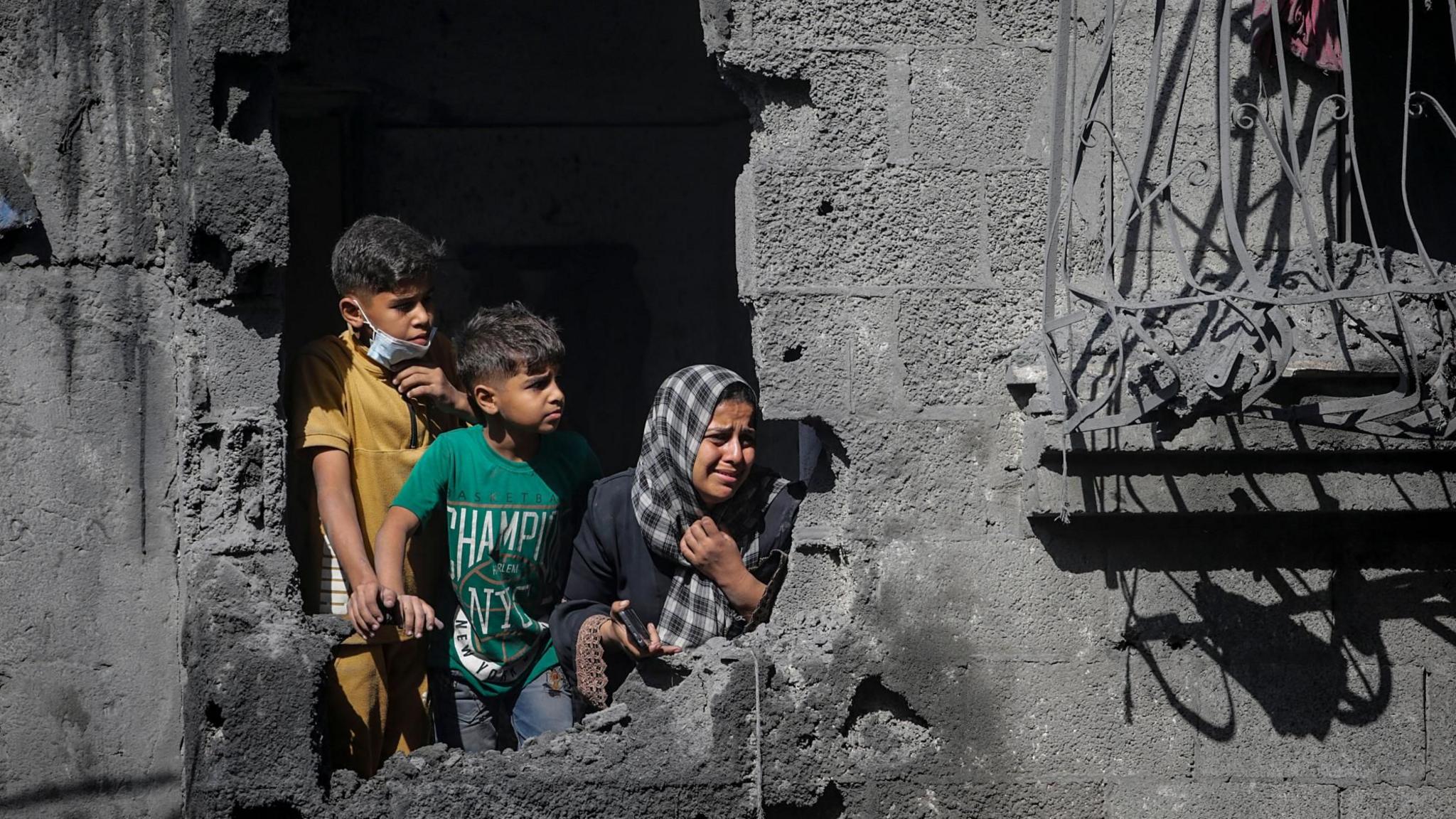
Katz emphasized that the objective is to safeguard northern Israeli communities from attacks. However, this military initiative has left over a million people displaced, compounding the existing humanitarian crisis.
Speaking to the UN Security Council, UN aid chief Tom Fletcher remarked that the current escalation exacerbates an already dire situation. He urged international collaboration to prepare for potential new occupations in the region.
Canada's Prime Minister Mark Carney condemned the ground troops' deployment as an illegal invasion infringing upon Lebanese sovereignty. Meanwhile, European foreign ministers have called for Israel to respect Lebanon's integrity and to prevent further military expansion in the country, emphasizing support for the Lebanese government amid their struggles against threats posed by Hezbollah.
This ongoing situation raises significant concerns, particularly in southern Lebanon, which is predominantly inhabited by Hezbollah's support base and also includes various other communities, including Christians.