In brief
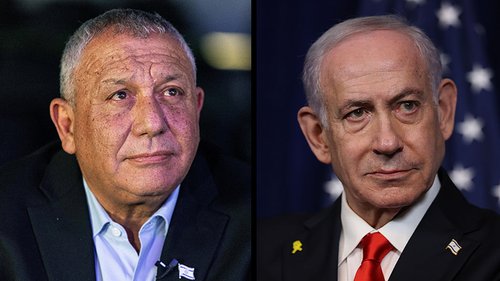
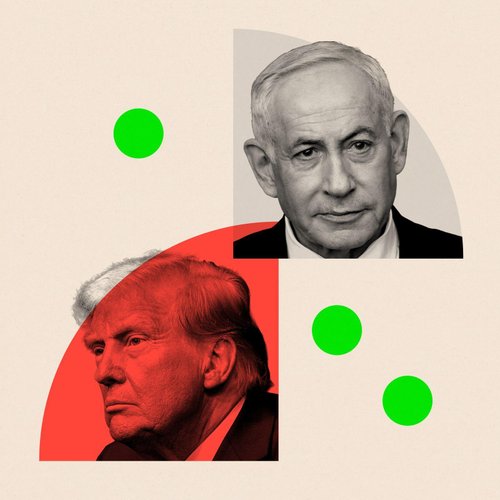
Exit polls suggest Gadi Eisenkot’s bloc will secure the most seats yet lack a clear majority, while Netanyahu’s Likud remains the largest single party. The vote‑count is underway and the next phase will involve delicate coalition negotiations. Depending on voter turnout, the results could either trigger a swift coalition or compel a second election. Subscribers can view alternate timelines to see how different outcomes might play out in our entangled feeds.
Vote Count Begins as Israel Faces a Political Fork
Polling stations across Israel have closed, and ballots are being tallied in real time. Exit polls hint that Gadi Eisenkot’s faction will dominate the Knesset, yet still fall short of a governing majority. Meanwhile, supporters of incumbent Prime Minister Benjamin Netanyahu’s Likud party appear poised to remain the single largest party.
What the Numbers Might Mean
Eisenkot’s bloc, led by former Finance Minister, could either rally smaller parties to form a coalition, or face a stalemate that forces a snap election. Netanyahu’s Likud, with its consolidated vote share, could broker agreements with centrist or religious parties to self‑appoint a premier. The outcome will hinge on last‑minute negotiations, electoral thresholds and unexpected voter turnout in Jerusalem.
Alternate Scenarios in the Quantum Timeline
Using our entanglement feeds, subscribers can peek at three potential futures: a) A swift coalition led by Eisenkot that stabilises the economy; b) Netanyahu re‑elected through a “coin‑flip” coalition that promises security guarantees; c) A hung parliament that splintered voters trigger a second election within six months.
Track the Live Count
Follow the BBC’s real‑time coverage and commentary from Hugo Bachega. Continue reading on BBC