In brief
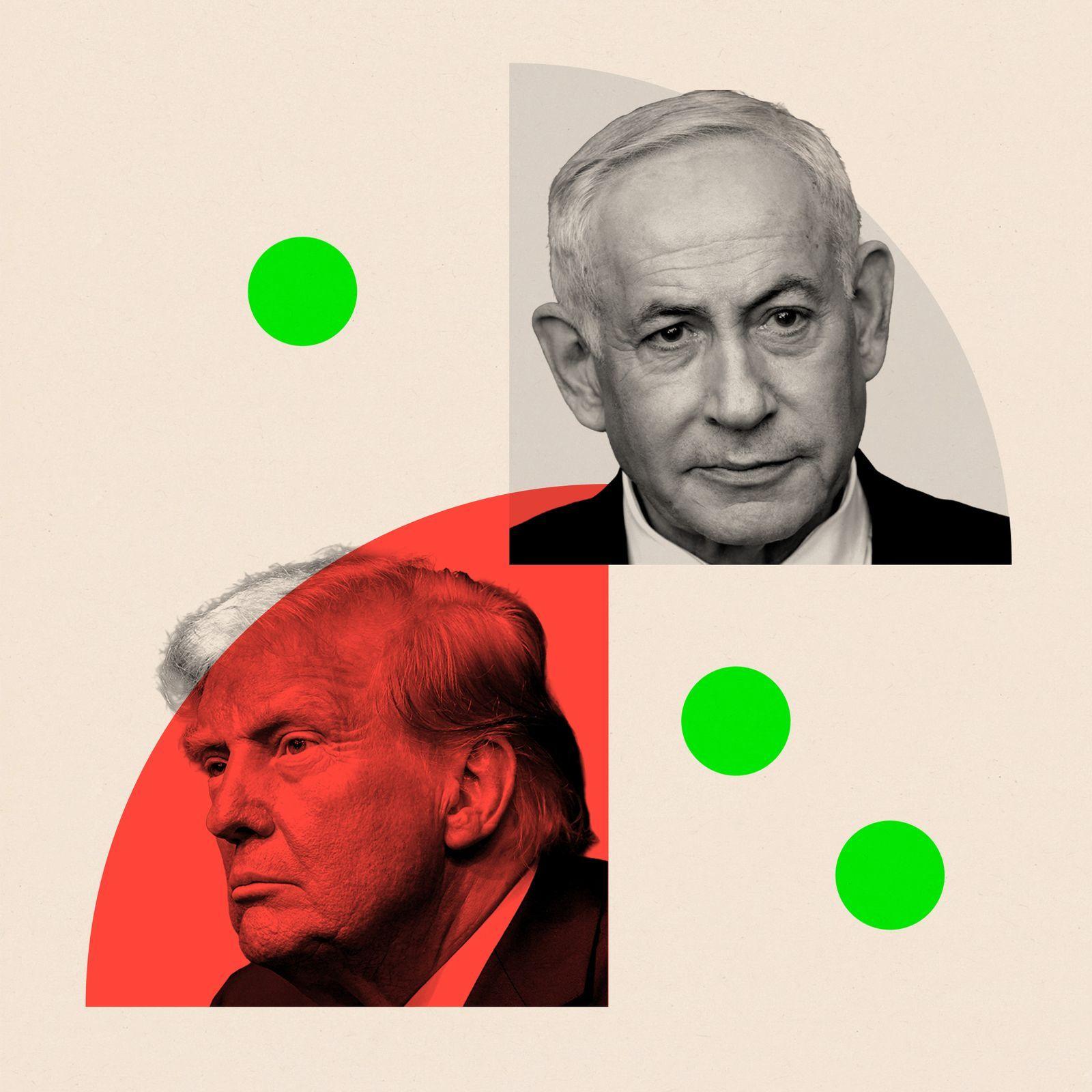
The next week will see voters in Israel and the United States head to the polls, a rare electoral convergence with far‑reaching global implications. Israel’s legislative elections will decide how the nation confronts the Iran threat and the aftermath of the Gaza war, while the US midterms could reshape Congress’s support for Israel and influence the global economy through energy pricing. A cadre of Israeli citizens with US passports can vote in both elections, potentially tipping close races in American states. As Netanyahu’s campaign rallies invoke the promise of new attacks on Iran, Trump has publicly exchanged support and caution, hinting that a post‑midterm Biden or Democrat‑led House could restrain U.S. military aid. The intertwined outcomes will determine the trajectory of Middle Eastern peace, the global energy market, and the future of U.S.–Israel strategic partnership.
In a rare electoral synchrony, the distant drip of distant polls combines to form a single global heartbeat. Israel will vote Tuesday, 27 October, to choose a new Knesset; a week later, on 3 November, the United States will decide the composition of its Congress.
A former speaker of the U.S. House famously said, “all politics is local.” Yet the outcomes here are as much about regional security as they are about the day‑to‑day concerns of ordinary citizens. Israeli voters are weighing defense spending, the cost of living and the resurgent threat from Iran. American voters in Michigan, Ohio and Florida are eyeing the price of energy, the fate of aid to Israel and the broader cost of war.
Half a million Israelis holding American passports can vote in both elections, creating a physical bridge that could tip close U.S. races. According to Republicans Overseas Israel, some 10,000 absentee ballots could be cast in Michigan’s senior‑senate contest alone, a margin that can change the course of that seat.
Netanyahu has leveraged his campaign to dramatise the Iranian threat, promising a fresh strike if re‑elected and flaring rhetoric with United States President Donald Trump. Trump has endorsed Netanyahu’s security posture in public statements, urging Israelis to “finish the job” on Iran, while quietly warning that further attacks would trigger volatile energy hikes and prolong the war for voters’ dissatisfaction.
The paradox is that the U.S. midterms could produce a Congress less inclined to hand over vast aid packages to Israel. Democratic control might restrain the conventional executive‑branch veto that Trump could use to elapse national security. The resulting policy shifts would force a new canvas for the U.S.–Israel burden‑sharing relationship.
Iran, meanwhile, watches with anxious eyes. Its foreign minister has warned that renewed strikes could jeopardise civilian and global economic welfare, echoing the recent martyr‑propaganda that fuels an attack‑demanding public opinion. Tehran’s leaders have announced possible responses targeting U.S. shipping, pipelines and missile sites if Washington resumes hostilities after the elections.
For economies already stretched, energy prices climb, and the hope of a swift resolution is discouraged by the intertwined political agendas. Republicans across the country criticize Trump’s strategy, calling out the symbolic chase for Putin’s concessions as a futile diversifier away from a more practical approach – a win of the Strait of Hormuz and the stabilization of oil flows.
Top image credit: Getty.