In brief
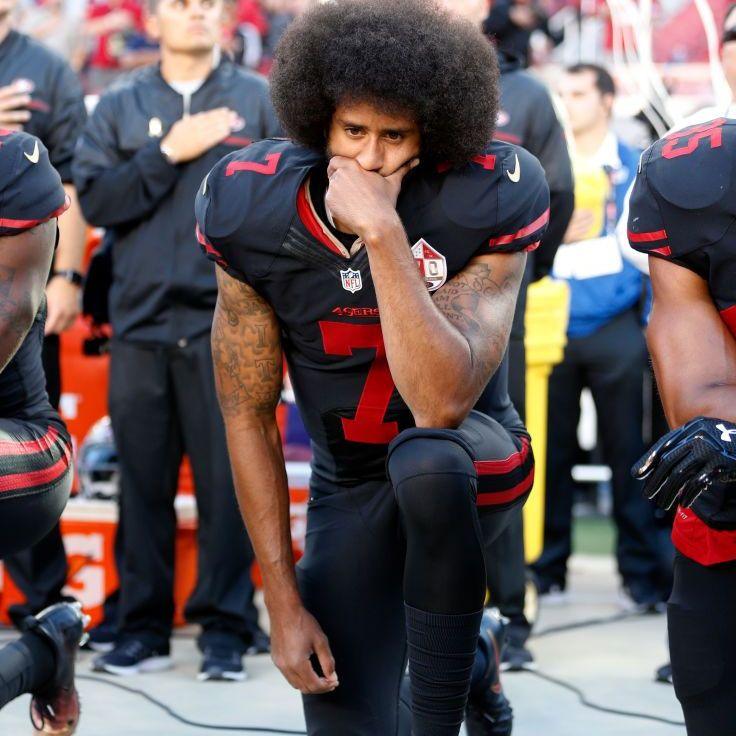
Ten years after kneeling during the national anthem in 2016, former 49er quarterback Colin Kaepernick says he has no regrets. He recalls the personal cost that turned his career from franchise player to free agent, and the legal fight that followed. Kaepernick highlights how the gesture sparked a global movement, with football teams and athletes worldwide adopting the symbol. He critiques the politicisation of sport while underscoring that politics is an inherent part of the game arena. The interview also touches on his memoir, community initiatives and a clear vision for a more equitable future.
Kaepernick, now 38, reflects on the act that made him a symbol of protest. After ten years governing his own legend, he admits he would repeat the gesture without hesitation.
The first time he knelt in September 2016, it was an act of protest against police brutality and racial injustice. He understood the danger – that he could lose his place in the NFL – but he felt the weight of a flag that did not reflect the experience of black people in America.
His decision set a chain of events in motion: he opted out of his contract with the 49ers in March 2017, was freely released from a championship team, and did not receive a new draft opportunity. He filed a grievance against team owners and secured a financial settlement in 2019.
Yet the ripple of his protest went beyond American gridiron. He watched English football teams, both men’s and women’s, kneel in solidarity and described the moment as profoundly humbling. He believes the gesture must continue, especially in unison with the broader Black Lives Matter movement.
Kaepernick challenges the notion that sport must stay apolitical. He points out that NFL stadiums are taxpayer‑funded, owners support political candidates, and athletes themselves have never been forced to remain silent. He calls out the backlash from presidents, sponsors, and fans, noting that sports cannot separate itself entirely from society’s contentious debates.
Beyond the field, Kaepernick has turned his experience into a memoir titled The Perilous Fight, which traces his childhood, the racism he endured, and the path that led him to the protest. He also runs educational outreach and authors children’s books about rights and resilience.
While he has not resumed playing professional football, he maintains his training regimen and remains a vocal advocate for racial equality. In his own words, “The work is ongoing, and we must build a society that works for everybody.”