In brief
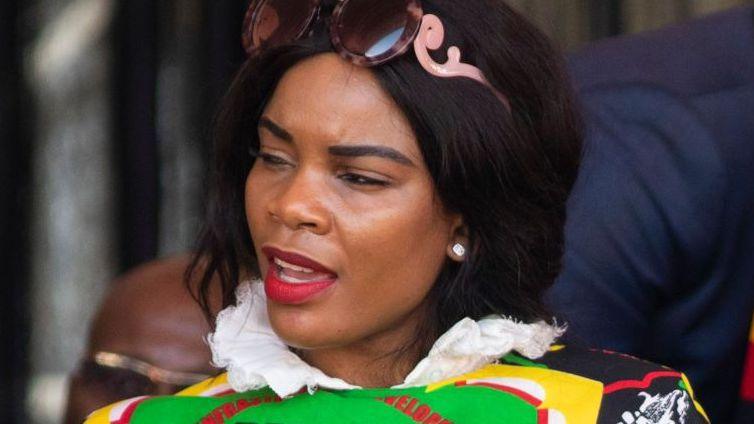
Marry Mubaiwa, the former wife of Zimbabwe’s Vice‑President Constantino Chiwenga, has been freed from remand after a court ordering the collapse of a seven‑year attempted‑murder case. Charged in 2019, she was accused of trying to obstruct his medical care while he was in South Africa. A magistrate cited severe mental, physical and financial prejudice suffered by Mubaiwa during the protracted trial, highlighting the oppressive conditions of the legal process. Despite the state’s attempt to delay the trial by a month to secure witnesses, the ruling was a late vindication for Mubaiwa, who celebrated her release outside Harare court, declaring justice had been achieved. The case, which stemmed from Chiwenga’s time in hospital and subsequent treatment in China, underscores the fragility of political power and the pressures of Zimbabwe’s judiciary.
Marry Mubaiwa, the former wife of Zimbabwe’s Vice‑President Constantino Chiwenga, has been released from remand after a court ordered the collapse of a protracted attempted‑murder case that related to allegations that she tried to impede his medical treatment abroad in 2019.
The case, which went on for seven years, was built on the claim that Mubaiwa had attempted to kill Chiwenga while he was hospitalized in Pretoria and that she further tried to block his medical care. Chiwenga, who spent four months in China seeking treatment for a serious illness, was the focus of the legal case.
A magistrate explained that the ordering of Mubaiwa’s release was due to the severe mental, physical and financial prejudice she suffered during the trial. The decision was made after the state had requested a one‑month postponement of the trial to bring in witnesses, and despite the delay the ruling was seen as a postholder victory for Mubaiwa’s lawyer, who criticised the protracted litigation for violating her client’s rights.
Outside court in Harare, Mubaiwa celebrated her release, declaring that justice had finally been served and publicly praising her legal team. She affirmed that if the state moved to hold a new trial, they were prepared to address it then.
The case is part of the broader political turbulence surrounding Chiwenga, who played a key role in overthrowing President Robert Mugabe in 2017 and has since been a central figure in Zimbabwean politics. The collapse of the case has sparked debate about the fairness of Zimbabwe’s judicial system and the influence of political power on legal proceedings.