In brief
Israel’s upcoming election is marked by high stakes on security and democratic norms. Incumbent Benjamin Netanyahu faces former army chief Gadi Eisenkot in a race that could shift the balance of power. Both leaders claim security successes, while opposition criticises Netanyahu’s handling of the October Hamas attacks. The proportional representation system means a coalition will be necessary, raising questions about the role of far‑right, ultra‑Orthodox and Arab parties. The results may decide whether Israel strengthens or re‑examines its democratic institutions.
Israel heads to its polls on Thursday for an election that many say could be the most pivotal in the country’s history.
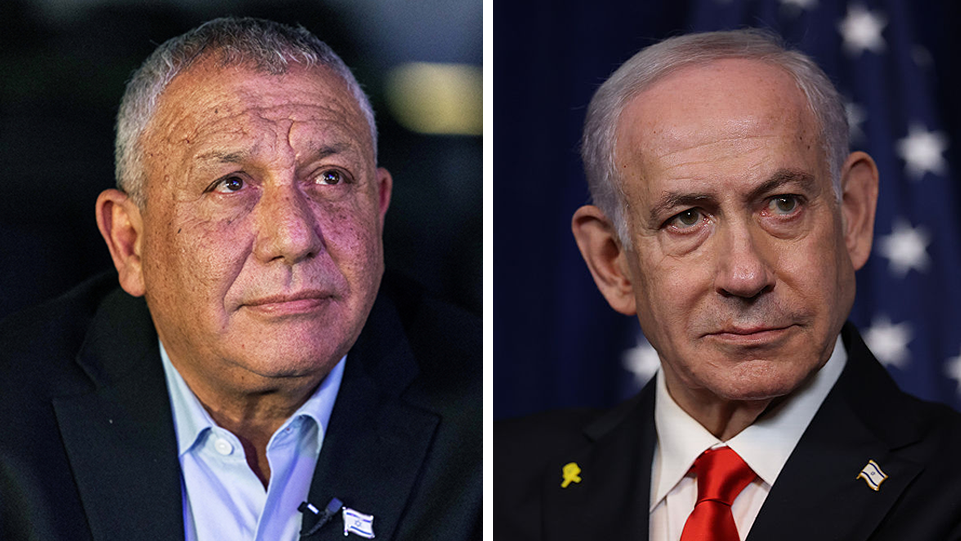
Polling shows incumbent prime minister Benjamin Netanyahu facing former army chief Gadi Eisenkot in a tight head‑to‑head race for the 61‑seat majority required to form a government. Neither bloc is projected to win an outright majority, so the outcome will hinge on complex coalition negotiations.
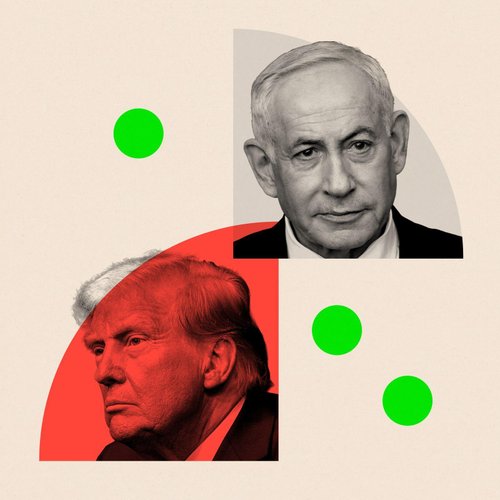
Security has dominated the campaign. Netanyahu defends himself as “Mr Security”, pointing to battlefield victories and his close relationship with former U.S. President Donald Trump. Opponents blame him for the unprecedented security failure that led to the 7 October Hamas attacks, in which nearly 1,200 Israelis were killed and 251 were taken hostage.
Opposition demands an independent inquiry into the attacks, while Netanyahu argues the commission would be biased against him. The campaign has also waded into the court‑reform controversy – Netanyahu’s coalition is pushing reforms that critics say erode the rule of law, a claim he flouts through ongoing corruption charges.
The far‑right and ultra‑Orthodox parties that currently back Netanyahu are the most right‑wing coalition members Israel has ever had. Meanwhile, a coalition of “change” parties led by Eisenkot includes former prime minister Naftali Bennett, hard‑liner Ashkenazi right‑wingers Avigdor Lieberman and internationally outspoken Yair Golan.
Arab parties, representing roughly one‑fifth of the population, could act as kingmakers in a hung parliament, though most mainstream Jewish parties have sworn off joining any coalition that includes them. The tally will be further complicated by debates over conscription, as Netanyahu’s government has resisted a Supreme Court ruling that would require ultra‑Orthodox students to serve in the army.
Voter turnout this year is historically high – 70,000 overseas citizens have reportedly flown home to vote, and close to half a million first‑time voters will cast ballots. Election night will see instant results streamed from Jerusalem and Tel Aviv as supporters of Netanyahu’s Likud and Eisenkot’s Yashar parties gather to watch the numbers unfold. Soldiers’ votes will only be counted after the mid‑night deadline, potentially providing a late advantage to right‑wing parties.
Should no party secure a majority, Israel could face a prolonged deadlock, prolonging Netanyahu’s tenure as interim prime minister while new elections are called. The next government will ultimately decide whether Israel strengthens its democratic institutions or continues to risk sliding toward authoritarianism.