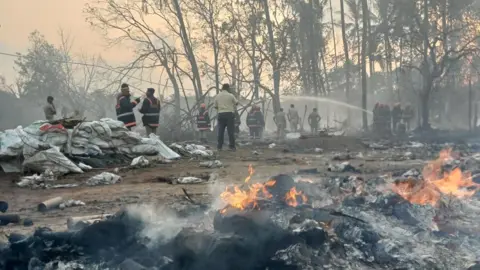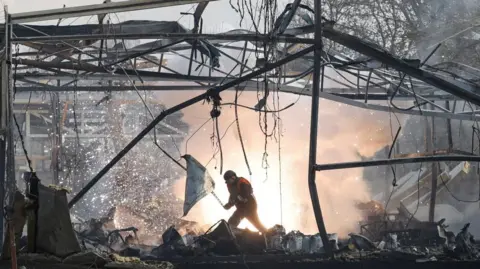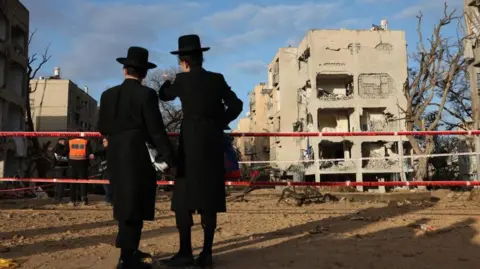
Israel's health ministry has confirmed that 180 people were injured, with some suffering serious injuries, as a result of Iranian missile strikes targeting two southern Israeli towns close to a nuclear facility. The towns affected include Arad, where 116 injuries occurred, and Dimona, with an additional 64 injuries reported on Saturday evening.
The International Atomic Energy Agency (IAEA) reported no damage to the nearby nuclear research facility located approximately 13 kilometers outside Dimona. Iranian state media indicated that the missile strikes were a retaliatory response to an earlier attack on Iran's Natanz nuclear facility.
In a related incident on Sunday, emergency services reported at least seven injuries due to another missile attack on Tel Aviv. The Israeli Air Force disclosed that Tehran has launched 400 missiles at Israel since a recent joint US-Israeli operation against Iran on February 28, although 92% of these missiles were reportedly intercepted.
Eyewitness accounts from Arad describe terrifying explosions. Buildings sustained considerable damage, leaving deep craters and affecting multiple residential apartments. A local paramedic recounted the harrowing experience of treating injured children, including a 10-year-old girl with head injuries amid the wreckage.
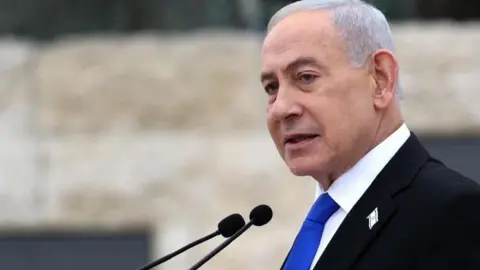
Prime Minister Benjamin Netanyahu and President Isaac Herzog visited the impacted sites, addressing the profound human cost of the ongoing conflict. Amid the wreckage, the community faces not only physical destruction but also the psychological trauma of such attacks.
The assaults underline vulnerabilities within Israel's air defense systems, prompting urgent investigations. As tensions continue to rise in the region, the historical implications of each attack weigh heavily, reminding onlookers of the fragile balance of power in the Middle East.