'My friends are all like me. We all know someone who was killed in the protests.'
For Parisa, a 29-year-old from Tehran, the crackdown by security forces in Iran earlier this month was unlike anything she had witnessed before.
In previous protests, she had not lost anyone personally. However, amid the unrest ignited on December 28 over worsening economic conditions, at least 13 people she knew were killed.
As reported by a human rights group, the confirmed death toll has risen to over 6,000, with many young Iranians recounting personal stories despite the government's near-total internet shutdown.
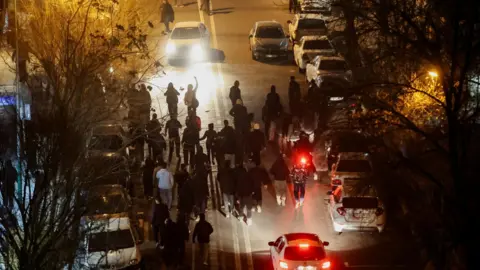
One victim, a 26-year-old woman, was shot down in the streets as protests intensified on January 8 and 9. Parisa insists that Thursday's protests, in which she participated, were peaceful before violence erupted.
'No-one was violent and no-one clashed with the security forces,' she stated, detailing how security forces opened fire on the crowds that gathered.
Mehdi, a 24-year-old protester from Tehran, echoed her sentiments regarding the violence, citing he had never witnessed such brutality or high participation levels in protests before.
The US-based Human Rights Activists News Agency (Hrana) has confirmed over 6,159 deaths, with the potential toll exceeding 25,000. Iranian authorities have claimed most of the deaths were security personnel or bystanders attacked by 'rioters'.
Testimonies have surfaced indicating authorities were not only refusing to return bodies but also extorting families for large sums of money or coercing them to present deceased individuals as government personnel to disguise true numbers.
As the country grapples with unrest, fears of 'extreme digital isolation' loom large, as communications remain restricted and families suffer in silence, unable to receive vital news about their loved ones.