Reports indicate that the pilot of a US F-15 fighter aircraft downed over Iran has been rescued, while search operations continue for a second crew member. This ongoing effort reflects the long-standing tradition of US combat search-and-rescue missions.
According to CBS, the rescue operation is taking place deep within Iran, amplifying the risks and complexity associated with such missions. Combat Search and Rescue (CSAR) is regarded as one of the most intricate and urgent operations undertaken by US and allied militaries.
Elite air force units undergo specialized training for CSAR missions, often pre-emptively stationed near conflict zones to prepare for potential rescue scenarios. This strategic positioning is crucial given the hostile conditions they might encounter.
The CSAR operations aim to locate and aid personnel in distress, such as downed pilots, in contested environments. In this instance, it appears operations are occurring deep within enemy territory, a situation that significantly heightens the risks involved.
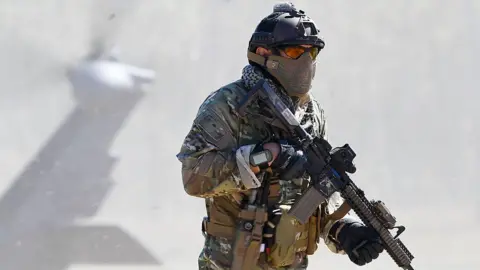
Former pararescue commanders have described the dangers of such missions. They emphasize that pararescue units, often referred to as the Swiss Army knives of the Air Force,” are trained for these situations.
Video evidence from Iran has reportedly shown US military helicopters and refueling aircraft in the area while Iranian officials pledge rewards for information leading to the capture of the missing crew member, indicating the high stakes involved.
Recent statements highlight the urgency of the situation, as enemy forces may also be actively searching for the downed personnel, complicating rescue efforts. This operation not only reflects military capabilities but also the geopolitical tensions within the region.