WASHINGTON (AP) — A partial government shutdown commenced on Saturday, yet it carries a markedly different tone compared to previous closures, primarily due to expectations of a swift resolution.
The House of Representatives is set to convene on Monday to expedite the passage of funding legislation aimed at ending the shutdown. Importantly, a considerable portion of this year's funding bills has already been ratified by Congress, which guarantees the operation of key federal agencies, including those vital for nutrition assistance.
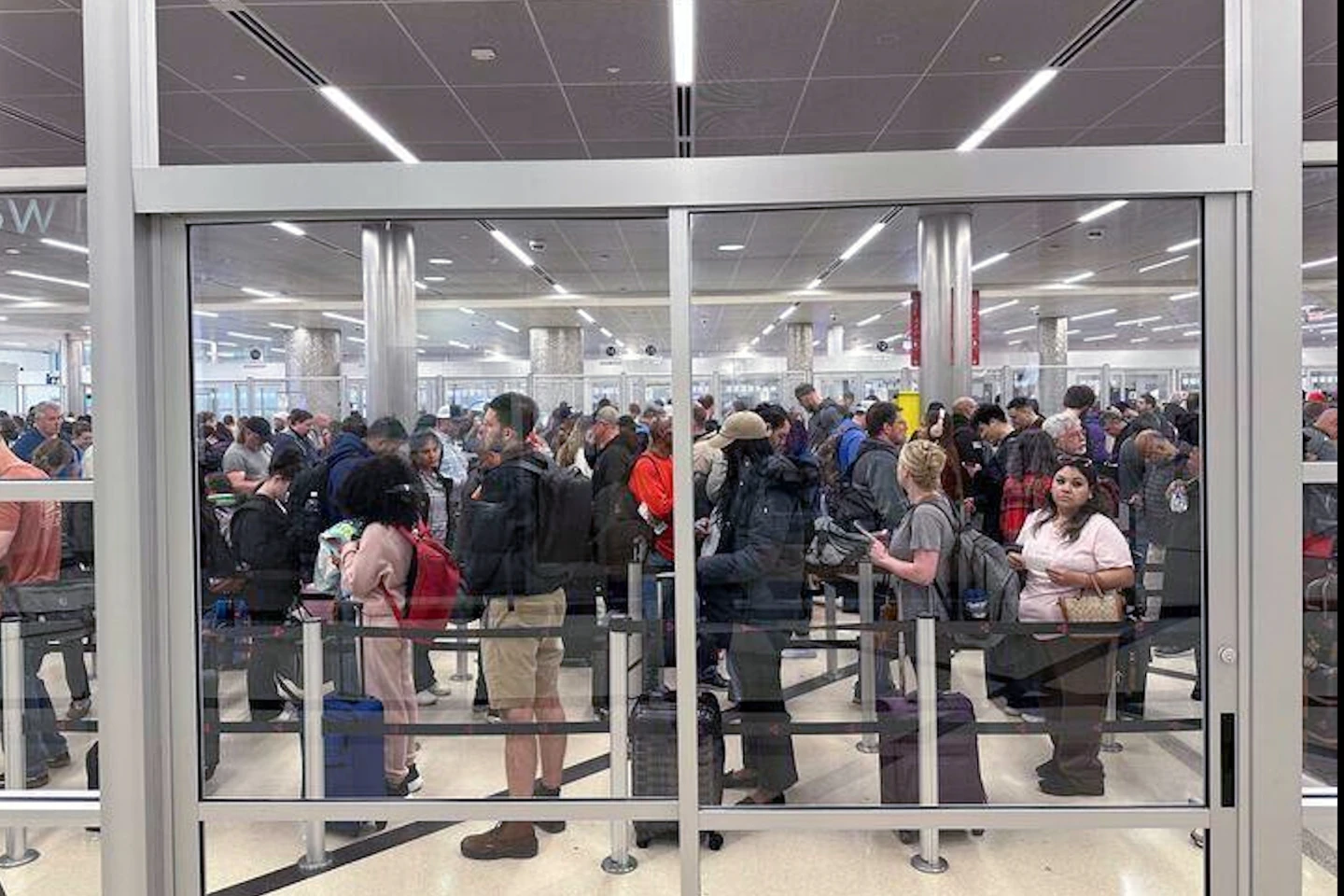
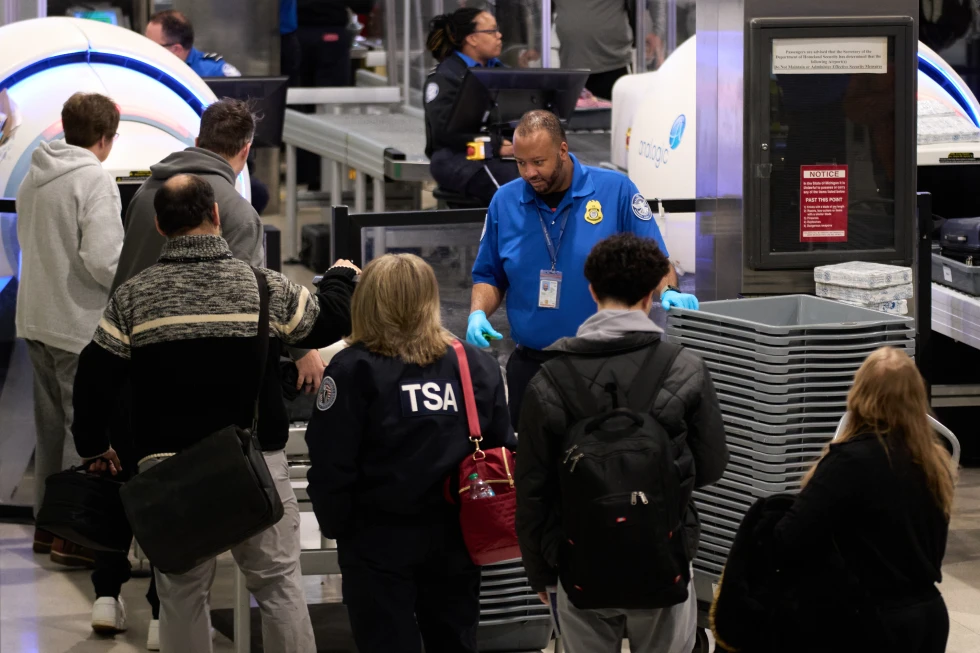
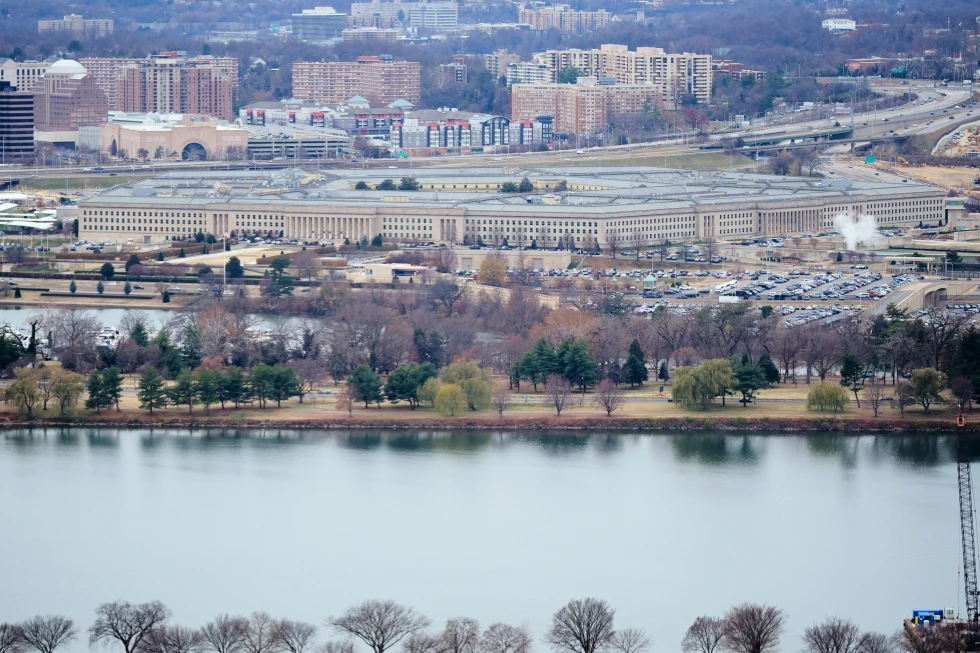
Nonetheless, funding for the Pentagon, the Department of Homeland Security (DHS), and the Transportation Department is set to cease temporarily. While essential services will continue, federal workers may face potential pay disruptions if negotiations become protracted.
Underlying Causes of the Shutdown
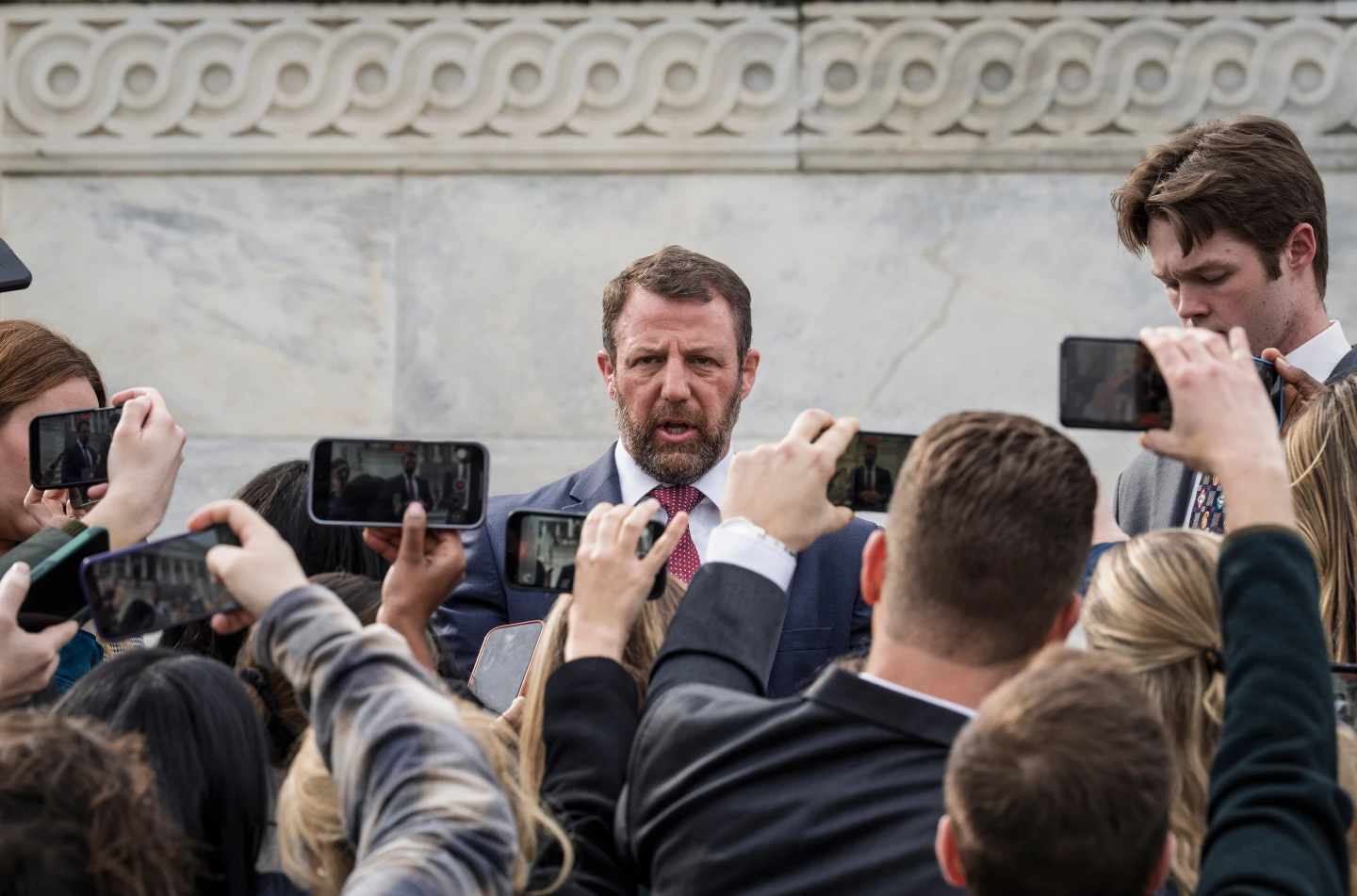
Recent events, particularly the shooting deaths of U.S. citizens allegedly by federal agents in Minneapolis, have escalated tensions surrounding the funding process. The Democratic response to these events has been fervent, prompting calls for specific amendments regarding immigration enforcement within the funding legislation.
This contentious backdrop has divided Democrats and Republicans further, leading to stalled negotiations despite earlier agreements.
Previous Shutdown Experiences
Short previous shutdowns serve as a reference point, wherein minimal observable effects were reported. The most notable instances occurred during the Trump administration, where operational pauses led to heightened air traffic disruptions and affected federal services without profoundly impacting public life.
Funding Implications
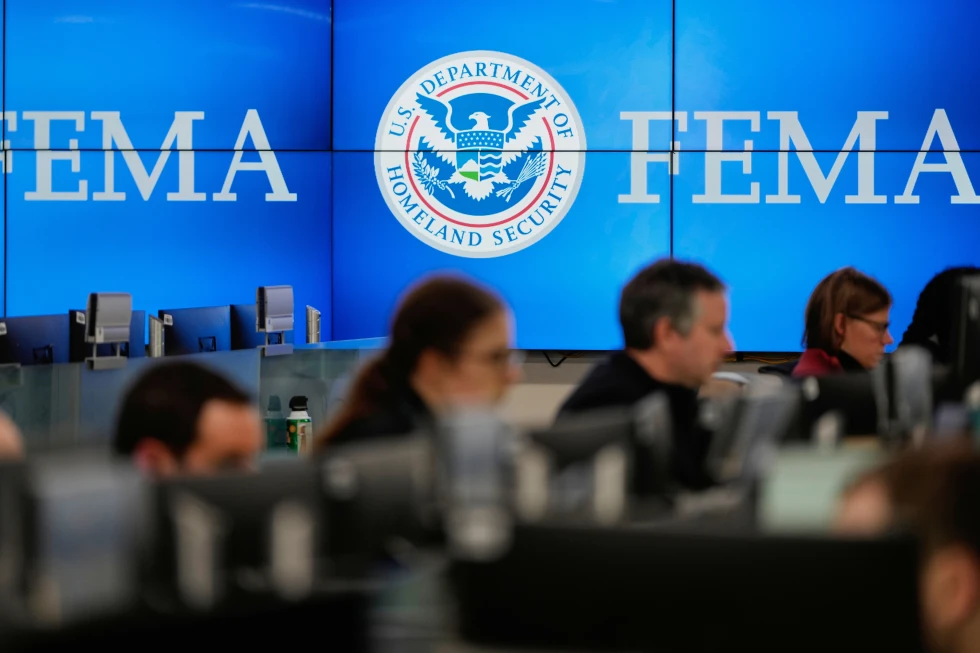
The ongoing funding lapse predominantly affects the Defense Department and DHS, which includes FEMA. Fortunately, experts suggest that FEMA retains sufficient reserves to manage disaster responses during this period.
Moreover, key programs such as SNAP and WIC will not suffer from funding interruptions, a notable shift from past closures.
As Congress reconvenes, the path to a resolution appears possible, yet the complex interplay of current events and political sentiments will shape the approach moving forward.