Trump's Defense Diplomacy: Unraveling Europe's Security Framework
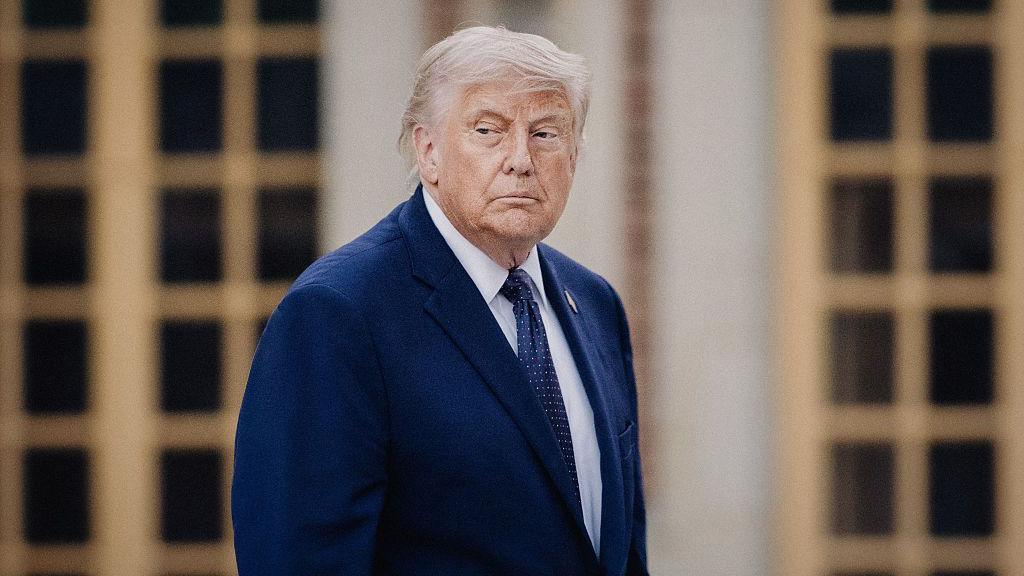
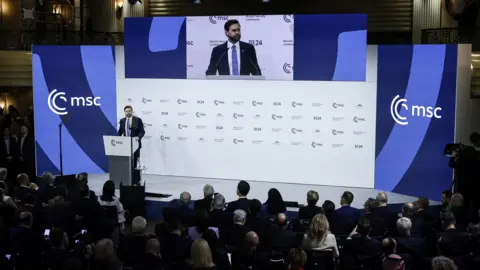
As the Munich Security Conference approaches, the specter of Trump's tumultuous foreign policy looms large. A year has passed since US Vice-President JD Vance's controversial speech at last year's conference, which shocked many when he criticized Europe's approach to migration and internal security threats.
The fallout from Trump's administration continues to reshape international relations, with punitive measures affecting both allies and adversaries. As the US delegation, led by Secretary of State Marco Rubio, prepares for this year's conference, the focus turns to the recurring theme of European self-reliance in defense.
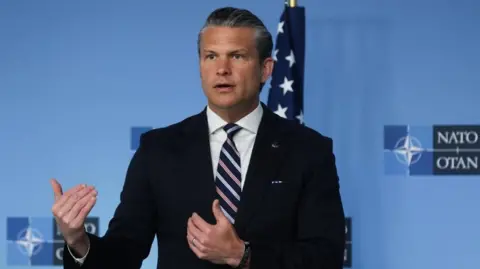
The integration and historic alliances seem to be shifting with the latest US National Security Strategy calling for Europe to take primary responsibility for its defense. Tensions over territorial claims, particularly regarding Greenland, trigger deeper anxieties over commitment to NATO and the collective security it has historically provided.
Once a stalwart of transatlantic unity, NATO now faces existential questions. If countries like Estonia, threatened by Russian aggressions, appeal for collective defense under Article 5 of NATO's charter, will the US respond with the same vigor?
With rising political extremes across Europe and the unsettling push for new alliances rooted in nationalistic sentiments, analysts urge for a reevaluation of existing security frameworks and common strategies. The upcoming summit may provide clarity amid uncertainty, yet many fear the outcomes may not align with European hopes for a unified front against ongoing threats in a volatile world.