Trade tensions and a reversal in the artificial intelligence (AI) boom are among the main risks to global economic growth, the International Monetary Fund (IMF) has warned.
Its comments came in its latest world economic outlook, where it described the global economy as steady, with growth expected to remain resilient this year.
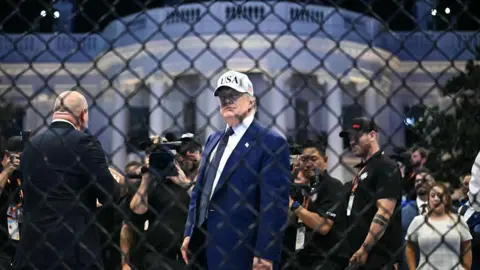
The IMF's forecast was produced ahead of Donald Trump's threat at the weekend to impose tariffs on eight European countries opposed to his proposed takeover of Greenland.
The fund also said the independence of central banks was paramount for global economic stability and growth.
The economic watchdog projected global growth to reach 3.3% this year, an increase from its previous forecast of 3.1%, before slowing slightly to 3.2% in 2027.
IMF chief economist Pierre Olivier Gourinchas stated: We have a picture of a global economy that is growing—it's not outsized growth rates, but it's quite resilient, quite robust. He noted that while Trump's tariffs have slowed global activity, other factors have helped offset these effects.
Despite these positive indicators, the IMF cautioned that risks to the global outlook “remain tilted to the downside.” It warned of the possibility of an abrupt market correction if expectations surrounding AI growth prove overly optimistic, which could trigger broader economic impacts.
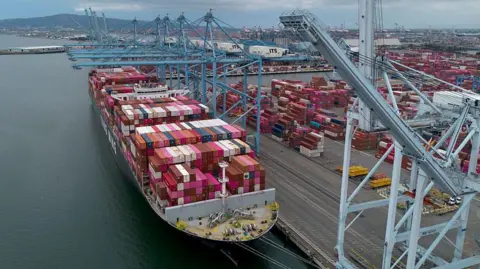
Other concerns include a potential resurgence of trade tensions and domestic geopolitical conflicts that could disrupt financial markets, supply chains, and commodity prices.
On the UK front, the IMF estimates a growth of 1.4% for 2025, slightly up from a previous forecast. Chancellor Rachel Reeves pointed out that the UK is on track to be the fastest growing European G7 economy, though critics like shadow chancellor Sir Mel Stride have questioned the significance of this growth.
As the IMF foresees a gradual decline in global inflation, it emphasizes that preserving the independence of central banks remains crucial for avoiding fiscal dominance and enabling effective economic policy.
Without maintaining this independence, the economic environment could deteriorate rapidly, affecting monetary policy and overall economic health.