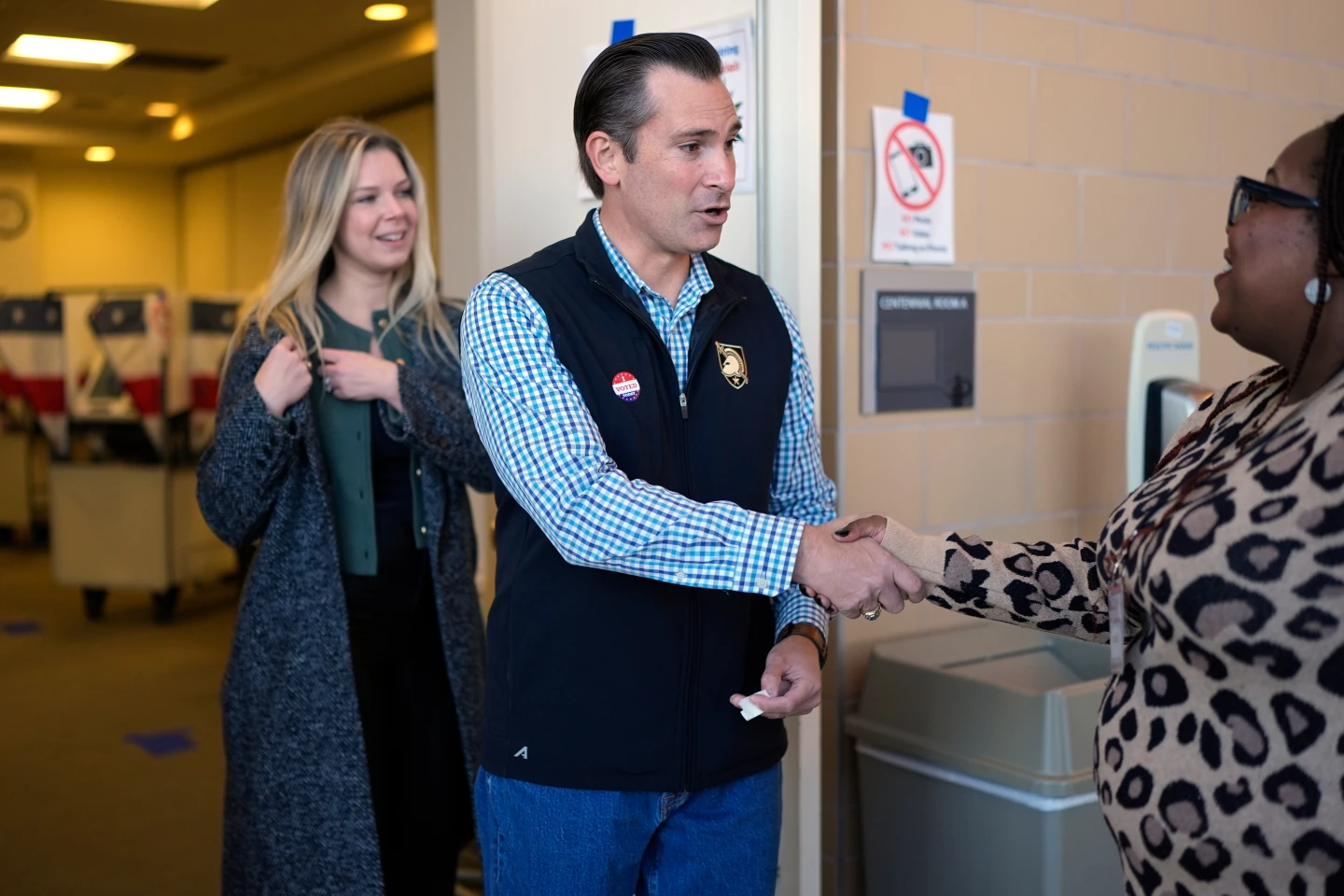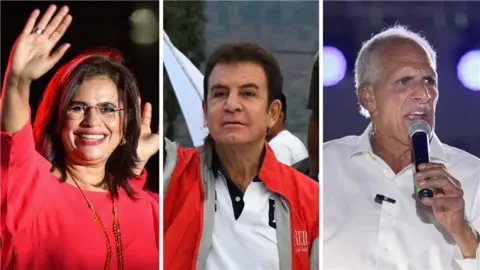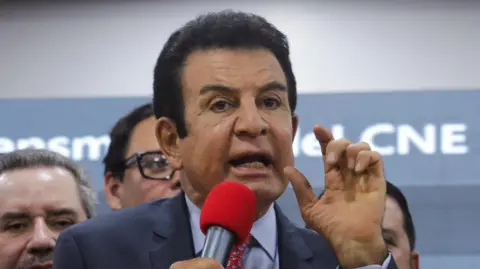
With a little over two-thirds of the ballots in the Honduras election tallied, the lead has changed hands. The former vice-president, Salvador Nasralla, has a small but potentially significant lead over his rival, the conservative former mayor of Tegucigalpa, Nasry Asfura. However, Asfura's National Party continues to brief journalists that they have the numbers for an eventual win.
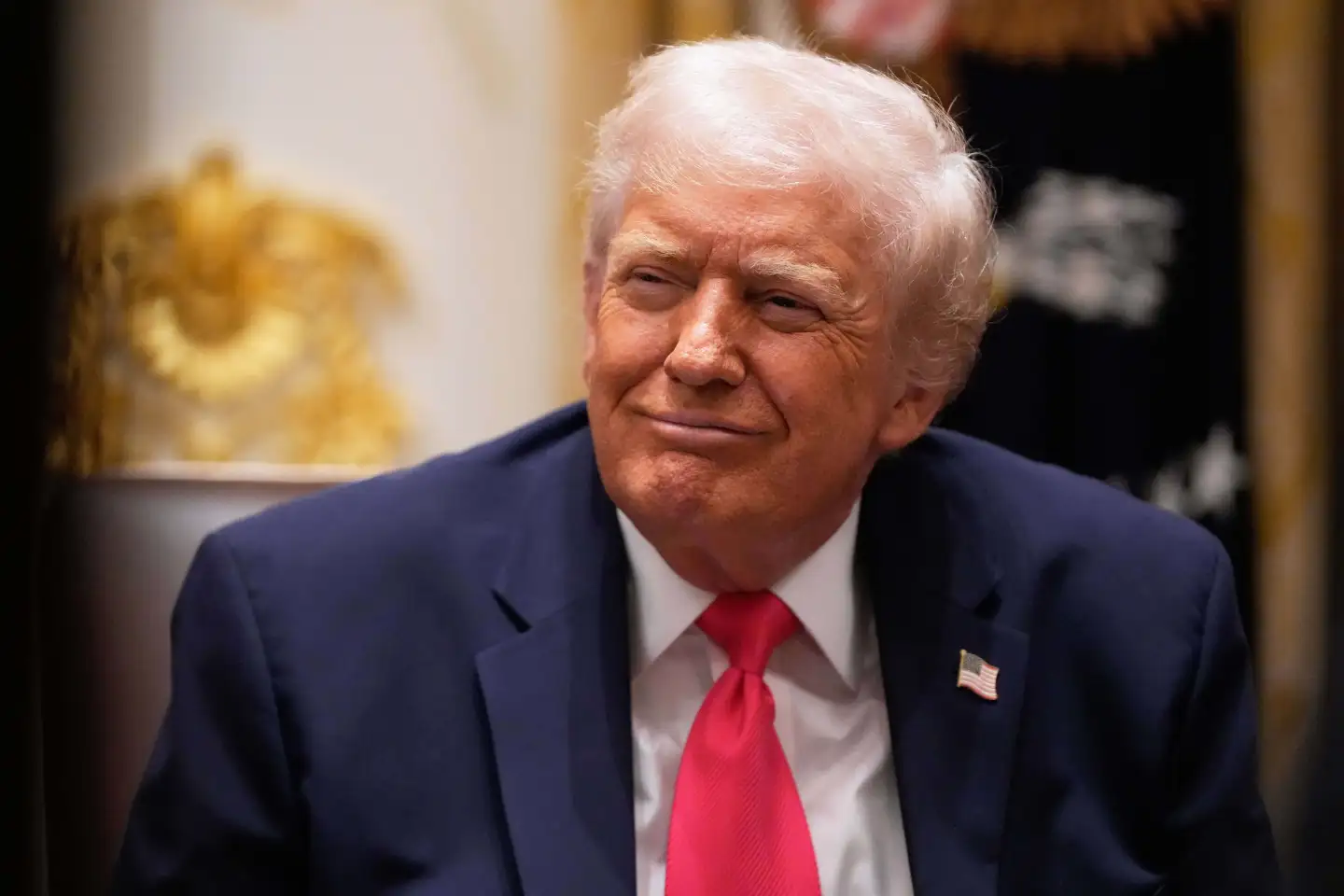
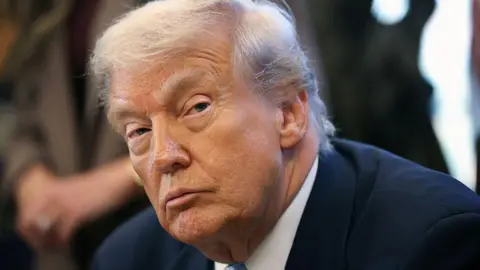
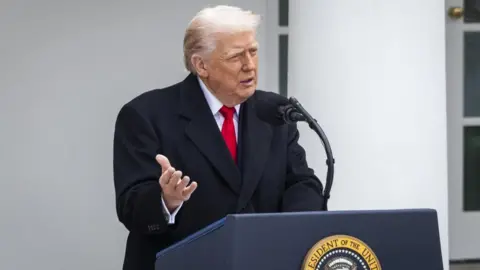
The race remains on a knife-edge, and in Washington, President Donald Trump has staked his hopes on an outright Asfura victory, attempting direct influence in support of his favoured candidate. Allegations have surfaced about intimidation regarding financial support from the impoverished Central American nation, with many Hondurans perceiving Trump's involvement as interference in the electoral process.
Political analyst Josue Murillo expressed concern, stating, No government should come here and treat us as a banana republic. Donald Trump's actions violate our autonomy as a nation, affecting our elections. This sentiment resonates across Honduras, particularly amidst awareness of Trump’s efforts to back the National Party.
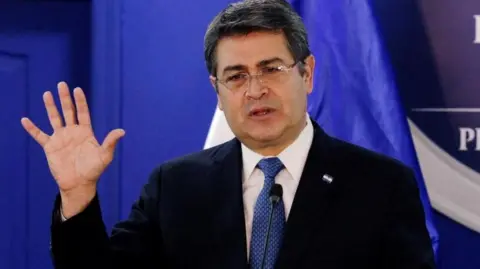
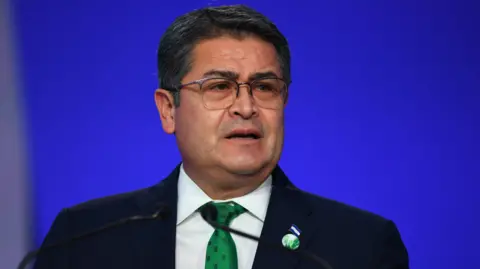
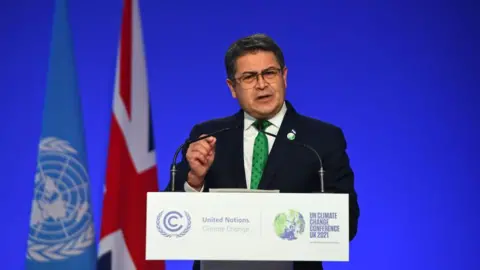
Adding to the electoral tension, ex-President Juan Orlando Hernandez recently walked out of jail in Virginia, a year into his 45-year sentence for drug-smuggling charges, following a pardon from Trump. Hernandez’s release, which Trump claims is rooted in popular support in Honduras, further complicates the political landscape ahead of the election.
As ballots continue to be counted, the outcome remains uncertain. With potential consequences for US-Honduras relations, the election continues to unfold amidst an atmosphere charged with external influences and internal tensions concerning autonomy and governance.