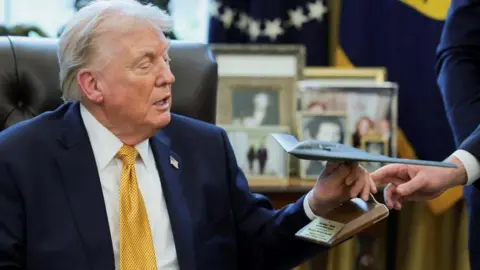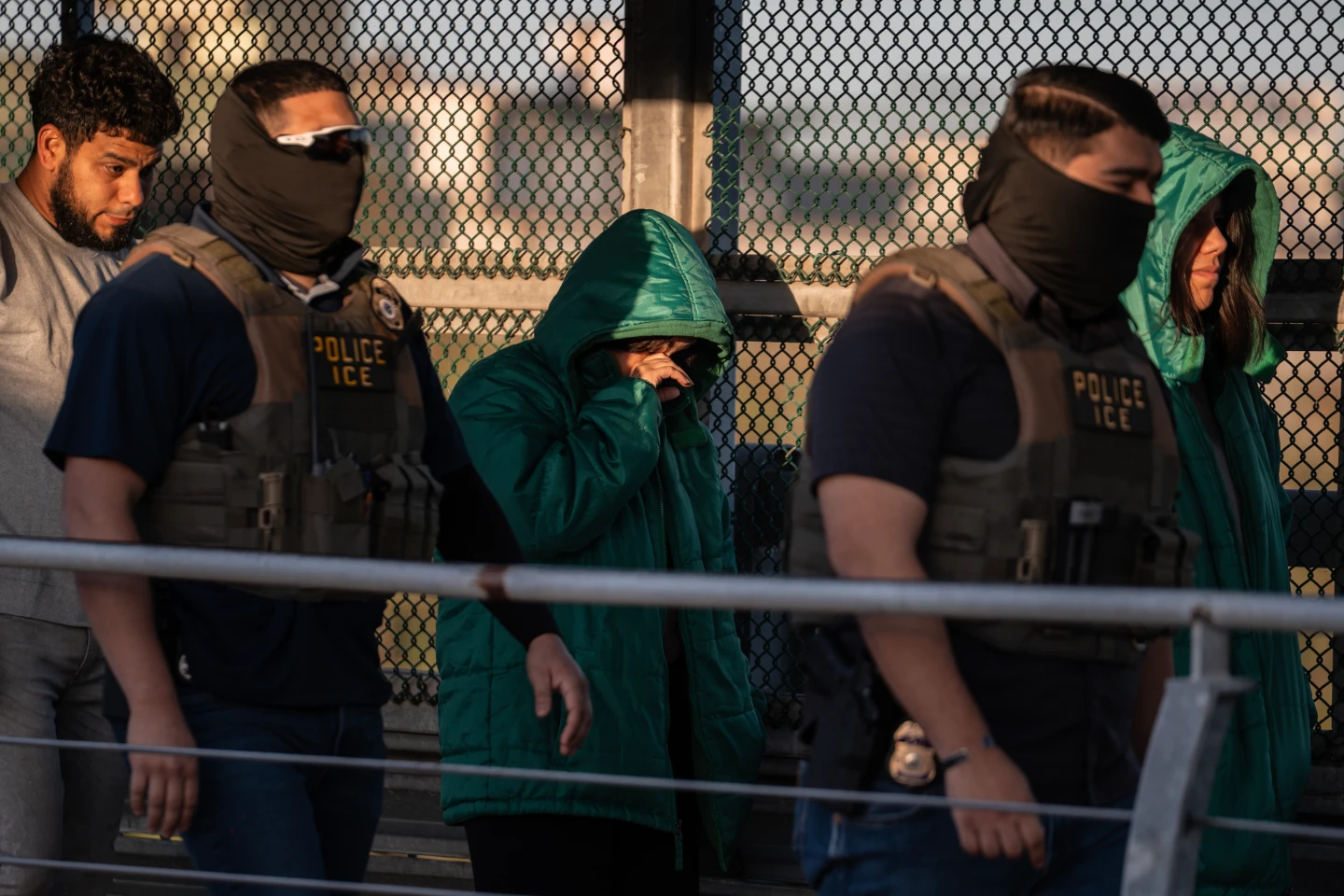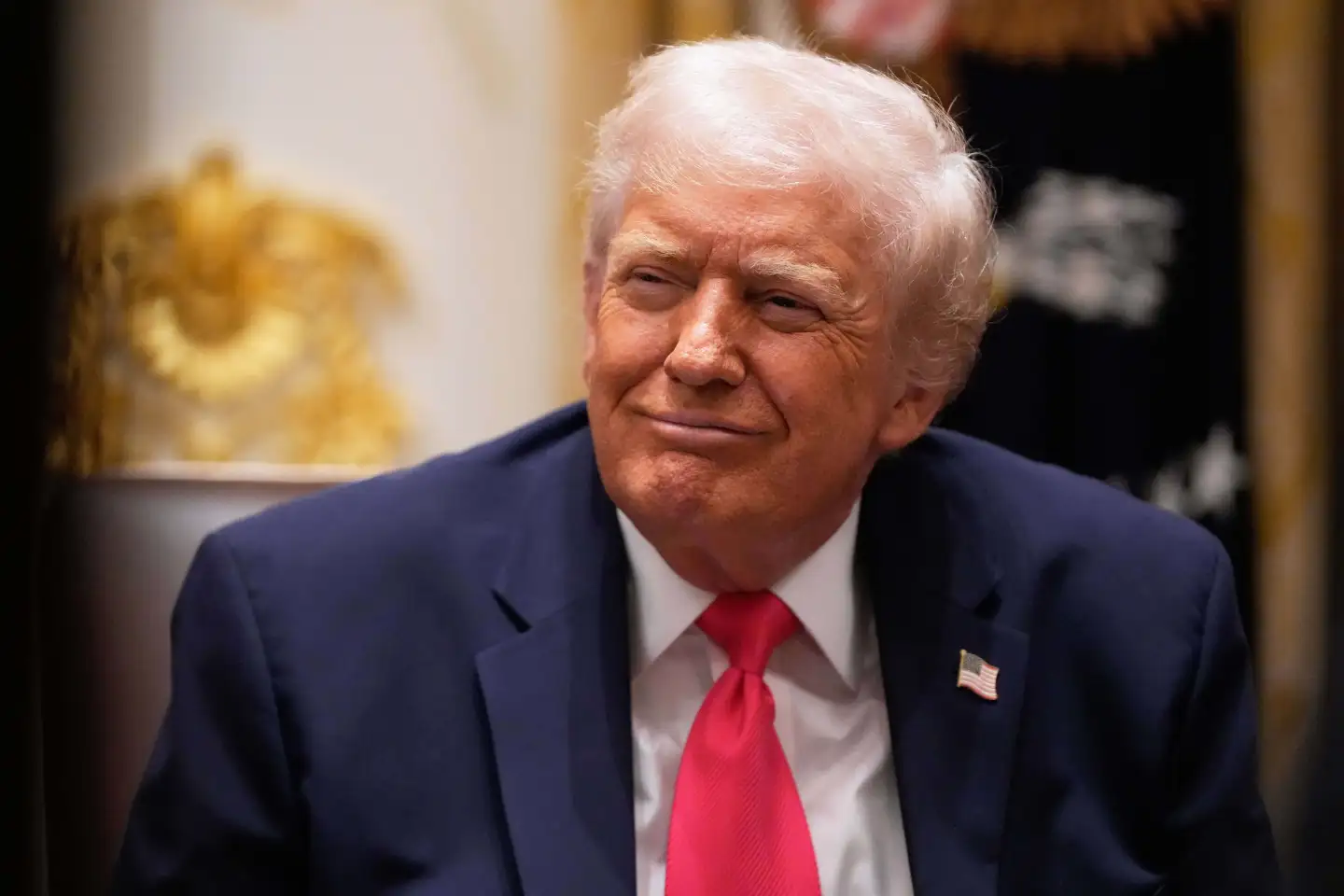
MINNEAPOLIS (AP) — Recent comments by President Donald Trump disparaging Minnesota's significant Somali population have triggered renewed discussions about the community’s contributions and ongoing challenges. Trump stated he opposed the presence of Somalis in the U.S. due to claims they “contribute nothing,” coinciding with reports of potential federal immigration enforcement operations targeting Somali immigrants.
The Somali American community, numbering an estimated 260,000 nationwide and around 84,000 in the Minneapolis-St. Paul area, primarily consists of U.S. citizens, with a majority being naturalized since their arrival after fleeing civil unrest in Somalia. In Minnesota, nearly 58% of residents of Somali descent were born in the U.S.
Trump's remarks follow heightened scrutiny due to allegations of fraud tied to public assistance programs, in which a number of Somali Americans have been implicated, although local leaders reject the idea of holding the entire community accountable for these actions. A particular focus has been on the Feeding Our Future program, resulting in significant criminal proceedings and a growing estimate of fraud amounting to $300 million.
As the controversy unfolds, local political leaders have rallied to defend the Somali community, condemning the implication of broader community culpability in isolated instances of fraud. Prominent figures include Democratic U.S. Rep. Ilhan Omar, who is vocal about the community's rights and contributions to Minnesota.
In light of these events, the Somali community’s engagement in Minnesota politics is becoming increasingly noteworthy, exemplified by several individuals holding elected office. As the situation develops, the interplay between immigration policy, community support, and political representation continues to evolve.