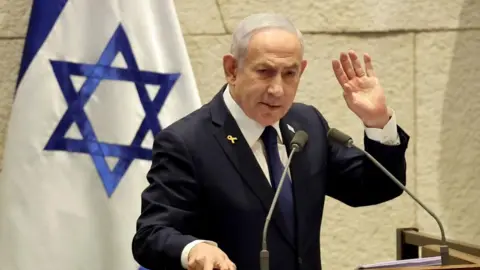
Israeli Prime Minister Benjamin Netanyahu has submitted a request for a pardon to the country's President Isaac Herzog.
The president's office stated that Herzog would seek opinions from justice officials before considering the 'extraordinary request which carries with it significant implications'.
Netanyahu has been on trial for five years facing allegations of bribery, fraud, and breach of trust across three cases. He maintains his innocence.
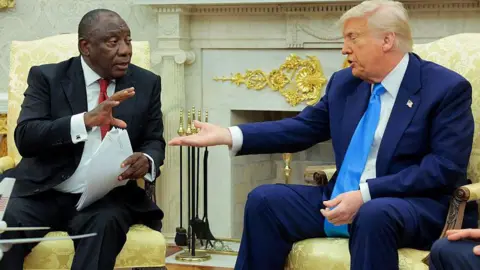
In a recent video message, Netanyahu expressed a desire to see the trial completed but indicated that the national interest necessitated this request. Earlier this month, U.S. President Donald Trump also urged Herzog to 'fully pardon' Netanyahu.
Herzog made it clear previously that any request for a pardon must be formalized, and on Sunday, his office made the request public alongside a letter from Netanyahu, emphasizing the significance of the appeal.
The timeline for a decision from the president remains uncertain.
Notably, Netanyahu made history in 2020 as the first sitting Israeli prime minister to stand trial.
He faces accusations of accepting gifts, manipulating media coverage, and promoting favorable regulations for powerful interests, all of which he vehemently denies, decrying the trial as a political 'witch-hunt'.
Netanyahu has argued that the trial exacerbates internal divisions at a time of significant national challenges and opportunities. He believes that concluding the trial would help resolve tensions and facilitate broad reconciliation.
According to Israel's Basic Law, the president holds the authority to pardon and alter sentences, though previous high court rulings indicate that pre-conviction pardons are permissible in public interest or extreme personal circumstances.
The call for a pardon has found favor among Netanyahu's right-wing Likud party and its supporters. However, many Israelis, particularly those on the left, view this as a potential erosion of the country’s democratic principles and legal integrity.
Public concern over governmental threats to judicial independence had previously fueled significant protests before the recent escalation in violence related to the ongoing Gaza conflict.