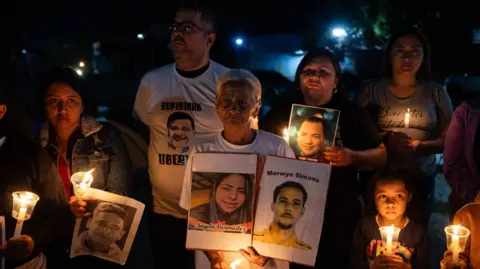
The parliament of the Faroe Islands voted on Thursday to legalise abortion until the end of the 12th week of pregnancy, overturning a decades-old law that prohibited abortions in most cases.
Previous legislation allowed abortions only in certain circumstances - such as rape, incest or risk to the health of the pregnant woman - and meant the self-governing Danish territory had among the most restrictive abortion policies in Europe.
Following a heated parliamentary debate, the decision came down to the wire, with MPs narrowly voting in favour of the reform, by 17 to 16.
This is truly an historic day in the Faroe Islands, said Ingilín Didriksen Strømm, one of the four MPs who tabled the bill.
Strømm told the BBC: This change finally affirms women's autonomy over their own bodies in the Faroe Islands.
It guarantees access to safe healthcare, and it also protects our freedom to make decisions about our own lives without fear, without stigma and without criminalisation, she added.
The new legislation in the Faroe Islands - located between Scotland and Norway - is expected to come into effect on 1 July next year, replacing laws dating back to 1956.
Under that legislation, abortions could only be performed in special circumstances - which also included if there are severe fetal health problems or if the woman is deemed unfit to care for the child.
Faroese pro-choice campaigners have argued the legislation was outdated and impinged on women's rights.
In a statement to the BBC, Amnesty International's Faroe Islands branch said: After years of campaigning we finally have a law respecting women's and all pregnant people's rights to a safe and legal abortion until week 12.
Danish law has allowed abortion up to 12 weeks since 1973, and in June this year, that was amended to extend terminations on request until 18 weeks.
With limited access to abortions in the Faroe Islands, campaign groups said women often had to travel to Denmark for the procedure. The remote archipelago is home to around 56,000 people, who speak Faroese and have a distinct cultural identity.
Previous attempts to liberalise abortion laws have failed. Most recently, in May last year, an almost identical bill resulted in a tied vote.