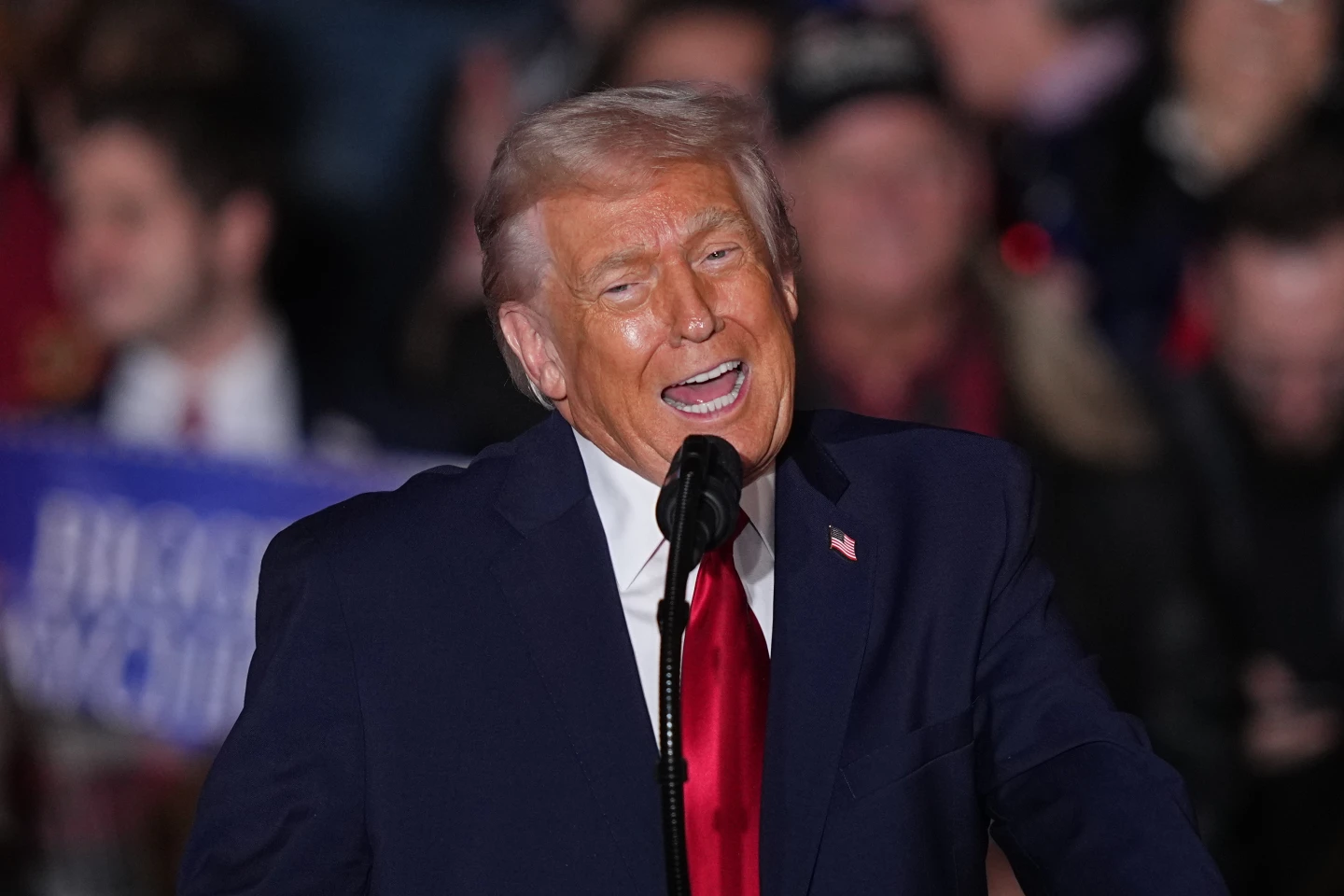
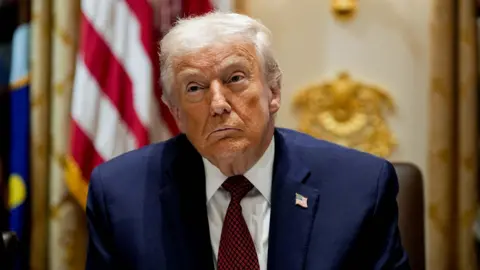
In a crucial moment for Indiana politics, state senators are preparing for a decisive vote on redistricting on Thursday, following intense pressure from former President Donald Trump. The situation remains volatile with uncertain outcomes as lawmakers evaluate the potential impacts of a new congressional map aimed at solidifying Republican power ahead of the 2026 elections.
Despite overtures from the White House and even instances of intimidation from party factions, several Indiana Republicans remain hesitant to endorse a congressional map that is believed to favor GOP candidates. As Trump actively encourages redistricting efforts in unprecedented mid-decade moves, tensions are rising among party members.
The proposed redistricting plan, supported by Trump and drafted by the National Republican Redistricting Trust, is intended to allocate all of Indiana's nine congressional districts to the GOP, despite the party currently holding seven seats. Trump's recent criticisms have targeted Republicans who waver in support, signaling potential primary challenges for dissenters.
Critically, the proposed map restructures the city of Indianapolis into multiple districts, intertwining urban and rural areas, effectively diluting its Democratic vote. The scheme could lead to the removal of districts held by Democratic representatives, revealing an aggressive strategy ahead of pivotal midterms where Democrats could challenge for control of the House.
As analysts observe closely, a group of 12 lawmakers has yet to declare their positions, and their decisions will be pivotal. If they align against the proposed changes, the vote could fail to meet the necessary support, marking a significant blow to Trump's strategy. The Republican supermajority in Indiana’s House has already taken initial steps to pass the measure, but hurdles remain in the Senate.
The unfolding saga in Indiana is indicative of a national trend where mid-cycle redistricting has both expanded GOP opportunities while simultaneously inviting litigation in multiple states as parties seek to assert their dominance in the political landscape.