In brief
In a historical move, India has initiated unconditional cash transfers to women, recognizing their unpaid domestic labor. This social policy aims to provide financial stability and empower women across various states. With millions of women receiving these funds, the program is sparking discussions on gender equality, economic recognition, and the political ramifications of financial support in a patriarchal society.
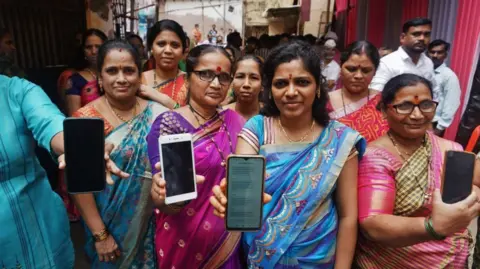
In villages across India, such as in Madhya Pradesh, women like Premila Bhalavi are receiving monthly cash transfers from the government, symbolizing more than just financial support. These funds, amounting to 1,500 rupees ($16), are proving life-changing by providing a measure of autonomy and control over household needs. This initiative, part of a larger scheme benefiting approximately 118 million women across 12 states, marks one of the world's most significant social policy experiments.
The unconditional nature of these cash transfers signifies a departure from traditional aid that often comes with requirements. Instead, the government's rationale acknowledges the essential role of women in household management and the unpaid labor that sustains it. As noted by Prabha Kotiswaran, a law professor at King's College London, these cash transfers reflect a progressive evolution in welfare policies favoring women.
The states have adopted varying eligibility criteria, targeting women aged 21-65 to receive these financial benefits, a strategy that intersects with the political landscape as parties seek to win over this key demographic ahead of elections. Instances in Bihar, where a significant cash transfer influenced voting patterns, have led to accusations of vote-buying, illustrating the political power of economic resources.
While some critics deem these initiatives as financial liabilities for states facing revenue deficits, proponents highlight the underlying recognition of women's unpaid work efforts. Such discussions are crucial as research reveals that women, on average, contribute nearly five hours daily to domestic responsibilities, constraining their professional opportunities.
This evolving narrative is seen not just as a recognition of labor but also an empowerment tool, enabling women to gain financial independence and participate in family decision-making. Many women report greater confidence, reduced conflict at home, and improved social standing.
Consequently, researchers suggest that these transfers might serve as a bridge towards redefining women's roles in society, a potential shift if coupled with messages advocating for the recognition of unpaid work. India's cash transfer programs are a flexible response to entrenched socio-economic structures, signaling the beginning of a revolution that might urge systemic changes if leveraged wisely.