In brief
The group People Not Politicians has gathered over 300,000 signatures opposing Missouri's new congressional map, which aims to solidify Republican advantages ahead of elections. The referendum could delay the implementation of these redistricting plans, generating a significant debate around their legality, with implications for the Republican majority in Missouri and beyond.
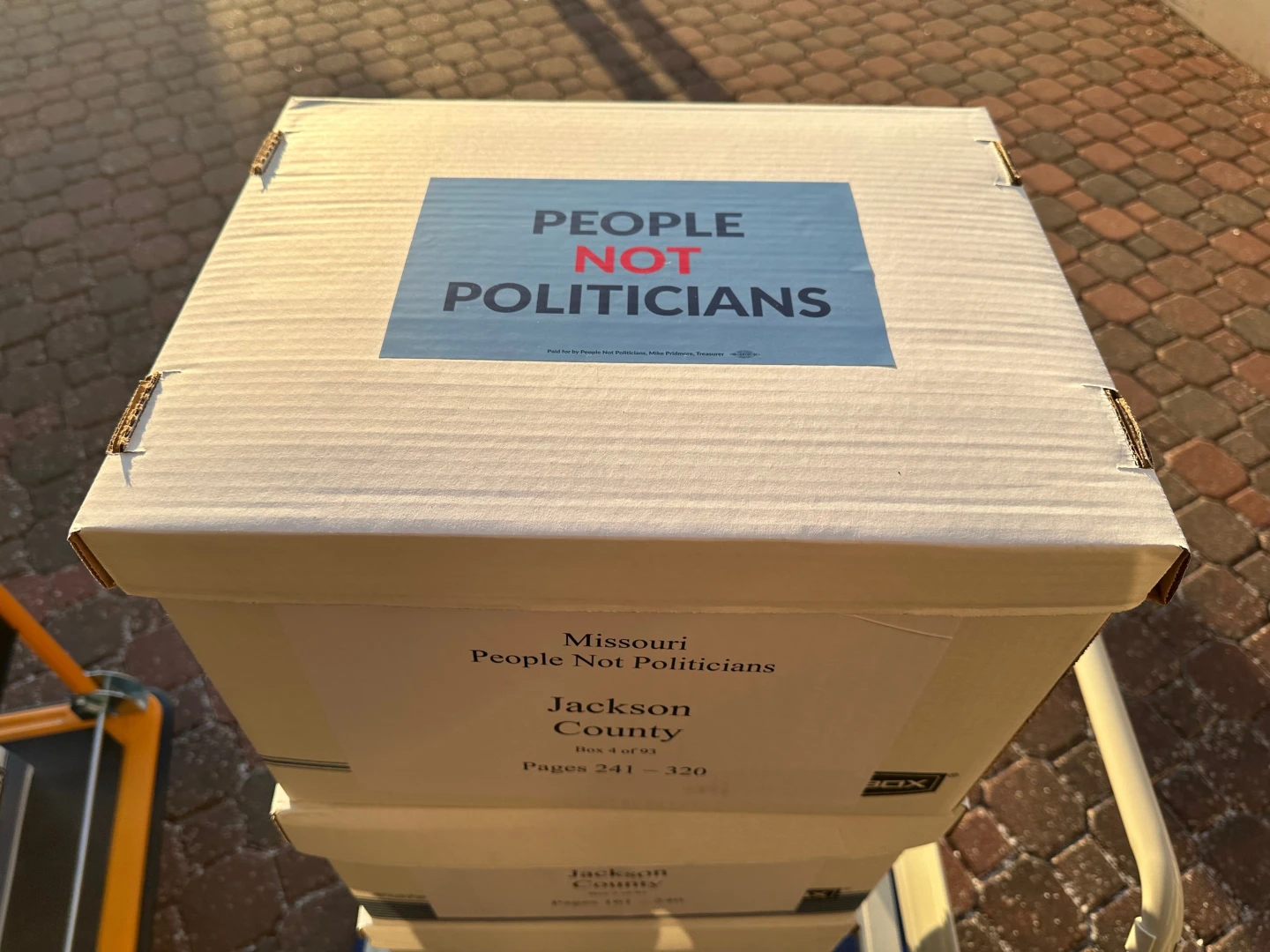
JEFFERSON CITY, Mo. (AP) — Opponents of Missouri's new congressional map submitted thousands of petition signatures Tuesday calling for a statewide referendum on a redistricting plan backed by President Donald Trump as part of his quest to hold on to a slim Republican majority in next year’s elections.
Organizers of the petition drive have reported over 300,000 signatures submitted to the Secretary of State's office, surpassing the approximately 110,000 needed to suspend the enactment of the new U.S. House districts pending a public vote next year.
The signatures are subject to verification by local election authorities and Republican Secretary of State Denny Hoskins, who argued that the referendum is unconstitutional. However, if validated, the referendum might significantly hinder Republicans' strategy to capture a Democratic-held seat in the Kansas City area during the November elections.
State law mandates that referendum votes occur in November unless the General Assembly opts for an earlier date during its regular session starting in January.
Redistricting Battles
Redistricting generally occurs once every decade following the census, but an unusual mid-decade redistricting battle has erupted as political parties respond to Trump's call for Republican-led states to redefine House voting districts. This is crucial as Democrats aim for a net gain of just three seats to regain control of the House, potentially hindering Trump's agenda.
Missouri's referendum campaign, backed by the group People Not Politicians, has raised around $5 million mostly from out-of-state contributors opposed to the new map. In contrast, Republican-aligned groups have dedicated more than $2 million to support the map.
The atmosphere in Missouri is fraught with legal challenges against the redistricting, with claims of unconstitutionality and concerns regarding its compliance with required standards for district compactness and population equality.
The last time Missouri held a referendum on congressional redistricting was over a century ago, in 1922, when a Republican-led legislative plan was defeated by nearly 62% of the statewide vote.