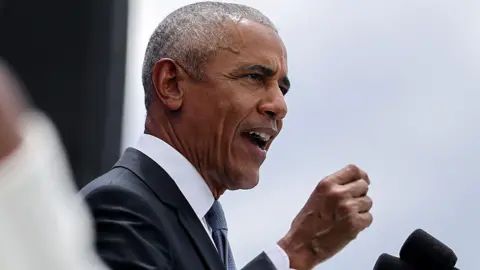
In 2010, Vice President Joe Biden's off-mic comment to President Barack Obama—This is a big f——— deal—turned heads due to its unexpected vulgarity. Fast forward to today, and the political discourse has moved towards an unapologetic embrace of explicit language.
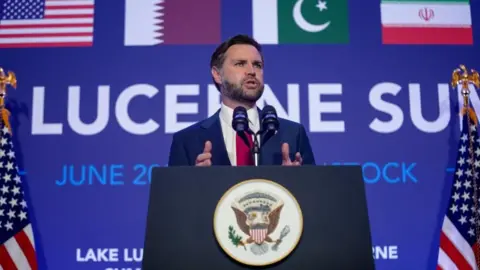
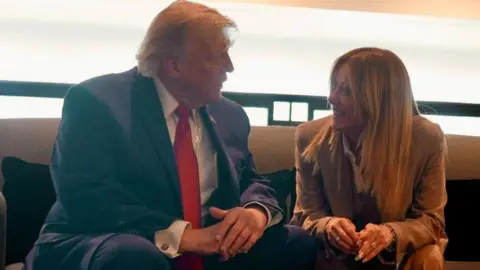
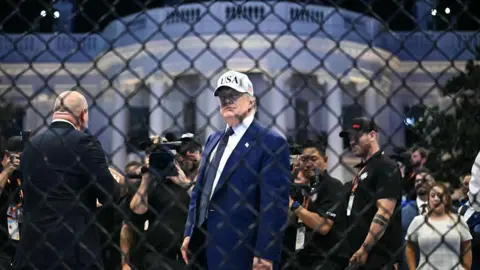
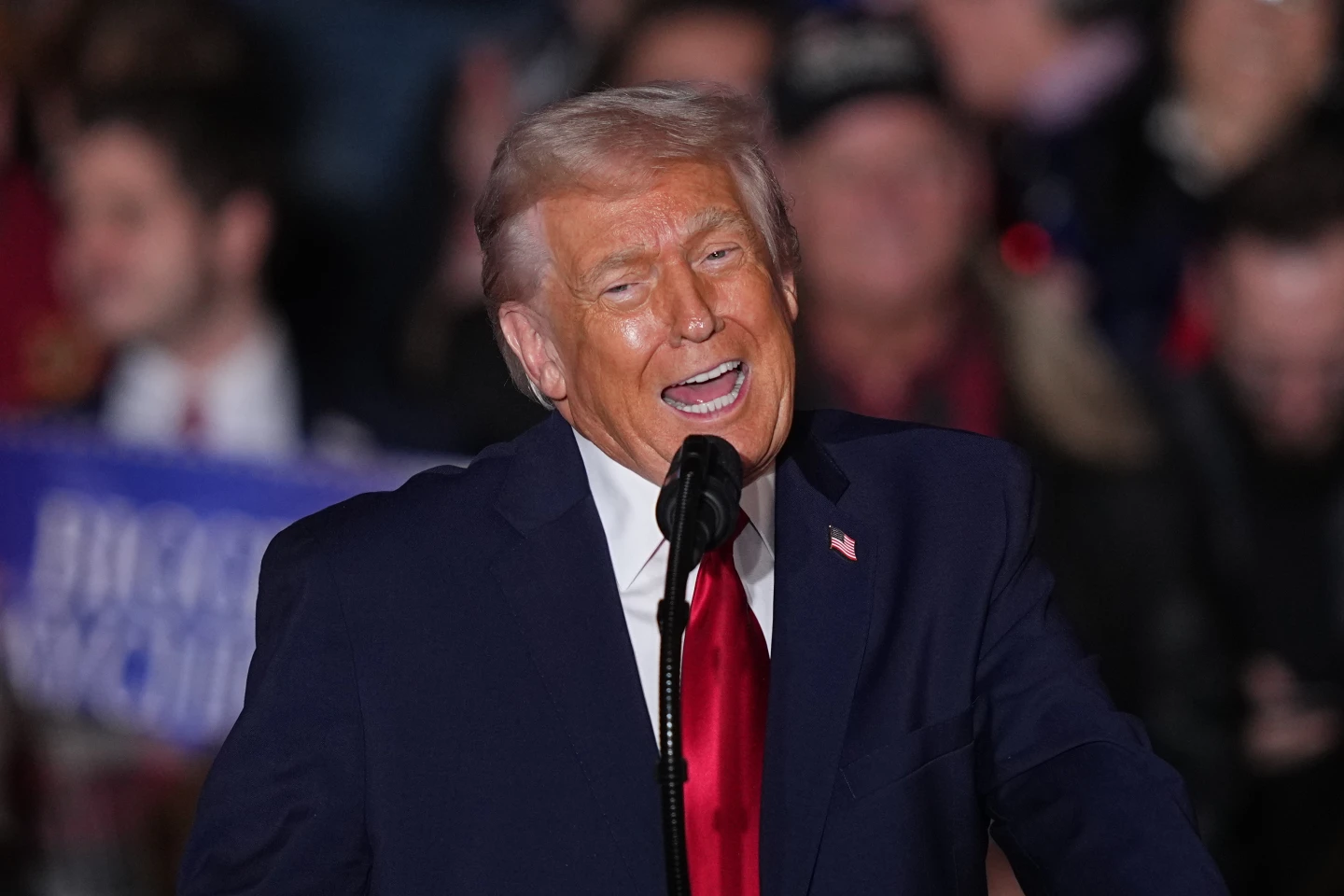
At a rally in Pennsylvania, President Donald Trump casually injected profanity into statements aimed at addressing inflation, even recounting his past controversial remarks about other nations. His sharp tongue has led to an alarming trend where political correctness seems to be tossed aside in favor of shock value.
Polling suggests that the frequency of explicit language in political circles can incite emotions and drive engagement, particularly on social media platforms. Utah Governor Spencer Cox noted that social media companies have hijacked public dialogue, creating a climate where outrage garners more attention.
Moreover, it’s evident that vulgarity isn’t limited to just one party. Democratic leaders, too, have joined the fray. Kamala Harris, for instance, was met with enthusiasm after she spoke in colorful terms while condemning Trump’s administration, reflecting a broader acceptance of such language in political rhetoric.
While harsh words can resonate with certain audiences, experts warn that excessive use can dilute their impact. Over time, what once shocked may become mundane, leading voters to seek more authenticity from their leaders. Meanwhile, others, like Rep. Don Bacon, argue that straying into swear words is indicative of poor communication skills.
As the 2026 midterms approach, political strategists will need to consider whether this trend of fearless profanity will redefine the narrative or remain a temporary phase in the political dialogue. Can constructive communication coexist with coarse language? The future of political discourse hangs in the balance.