In brief
The ongoing conflict in Gaza has severely impacted the lives of disabled individuals and their families, highlighting their unique struggles during an already challenging humanitarian crisis.
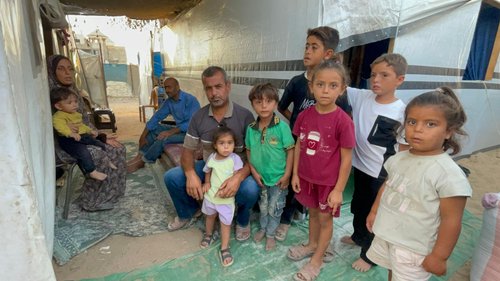
When the Israeli military ordered evacuations in northern Gaza about a year ago, Zuhair Abu Odeh knew he had to act fast. He fled with his 9-year-old daughter, Lara, who relies on a wheelchair for mobility. In the rush, he accidentally damaged her wheelchair, necessitating a grueling four-and-a-half-hour trek as he and his sons carried her on their backs to seek safer grounds in Nuseirat, nine miles away.Mr. Abu Odeh described their situation as one of “impossible times” during a desperate phone call from a temporary shelter in Khan Younis, where families have sought refuge amid escalating violence. The war has uprooted nearly all of Gaza's two million residents, turning daily life into a harrowing quest for essentials like food, water, and safety. However, for those with disabilities, the crisis strikes deeper, compounding their challenges exponentially.Families face dire shortages of assistive devices, including wheelchairs, crutches, and hearing aids, alongside an increasing lack of accessible infrastructure—damaged pathways and destroyed homes that once had accommodations for the disabled. For Mr. Abu Odeh, the struggle only intensified until he was fortunate enough to locate a replacement wheelchair for Lara in February. Yet, the joys of mobility remain overshadowed by the daunting task of traversing uneven terrain in makeshift camps that house the displaced.In a region plagued by violence and chaos, the plight of disabled individuals stands out, emphasizing the often unseen consequences of war and the urgent need for humanitarian support tailored to their unique circumstances. As families continue to make do amidst soaring adversity, the resilience of Gaza's disabled residents and their caregivers shines a light on a dire humanitarian crisis that should not be overlooked.