In brief
Israel’s upcoming elections see first‑time voters, many of whom are untouched by major wars, rallying around far‑right candidate Itamar Ben Gvir. Polls show that 16 per cent of young voters intend to back his party, a figure that could swing a tight contest. The surge is partly driven by the 7 October attacks and a sense of security promised by Ben Gvir. Social media has amplified his reach, while opposition efforts focus on democratic concerns. The result underscores a deep division in Israel’s society.
When he turned 18, former National‑Security Minister Itamar Ben Gvir was rejected from the army for being “te political”. Thirty years on, the same man sits beside Prime Minister Benjamin Netanyahu and is campaigned by a legion of young supporters.
In a country where a single “first‑time” voter could decide the fate of the state, polling shows that 16 percent of those aged 18‑22 plan to back Ben Gvir’s Jewish Power or his ally’s religious‑zionist faction. The figures are higher than in previous surveys and point to a significant rightward swing in the electorate.
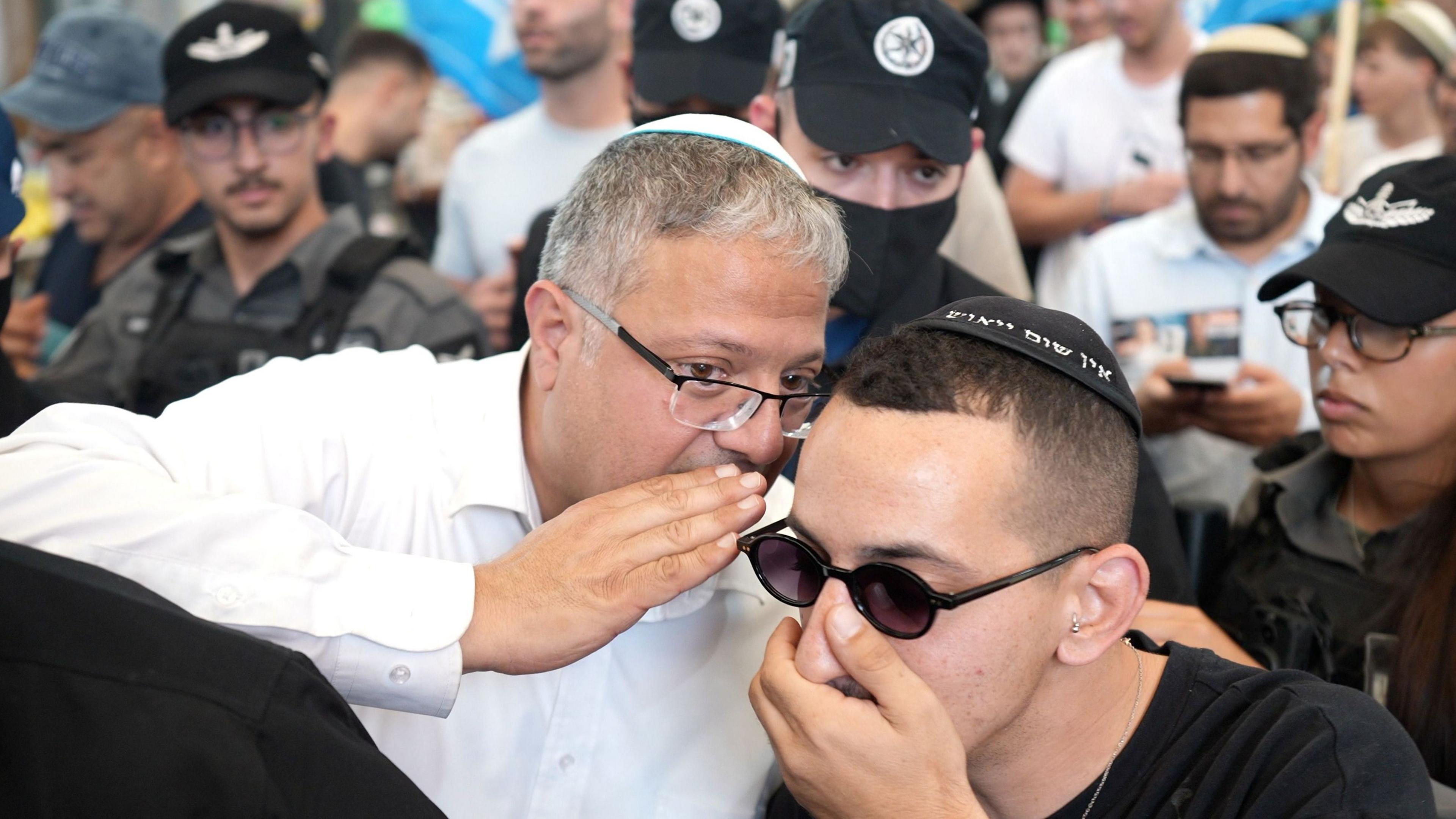
The surge follows the 7 October Hamas attacks that sparked the Gaza war. Many young Israelis describe the violence as proof that Israel needs uncompromising security. “Itamar gives me a sense of safety,” says 20‑year‑old Mordechai, who followed Ben Gvir to a market in Ramleh.
The politician is a social‑media virtuoso. While older opposition leaders struggled to reach the digital generation, Ben Gvir’s TikTok and Instagram feeds dominate the feeds of teens and college students. Nights spent scrolling have made these platforms a crucial battleground for Israel’s political future.
Not all young Israelis agree. A separate survey found that almost three‑quarters consider themselves right‑ or centre‑right, but the remaining quarters are still split on whether the far‑right poses an existential threat or a safeguard. The tight race—split between a pro‑government coalition and a united opposition—depends in large part on which side the first‑time voters decide to support.
The outcome will set the tone for Israel’s next decade—a country whose split identity is being tested on its own streets, its social media feeds, and its ballot boxes.