In brief
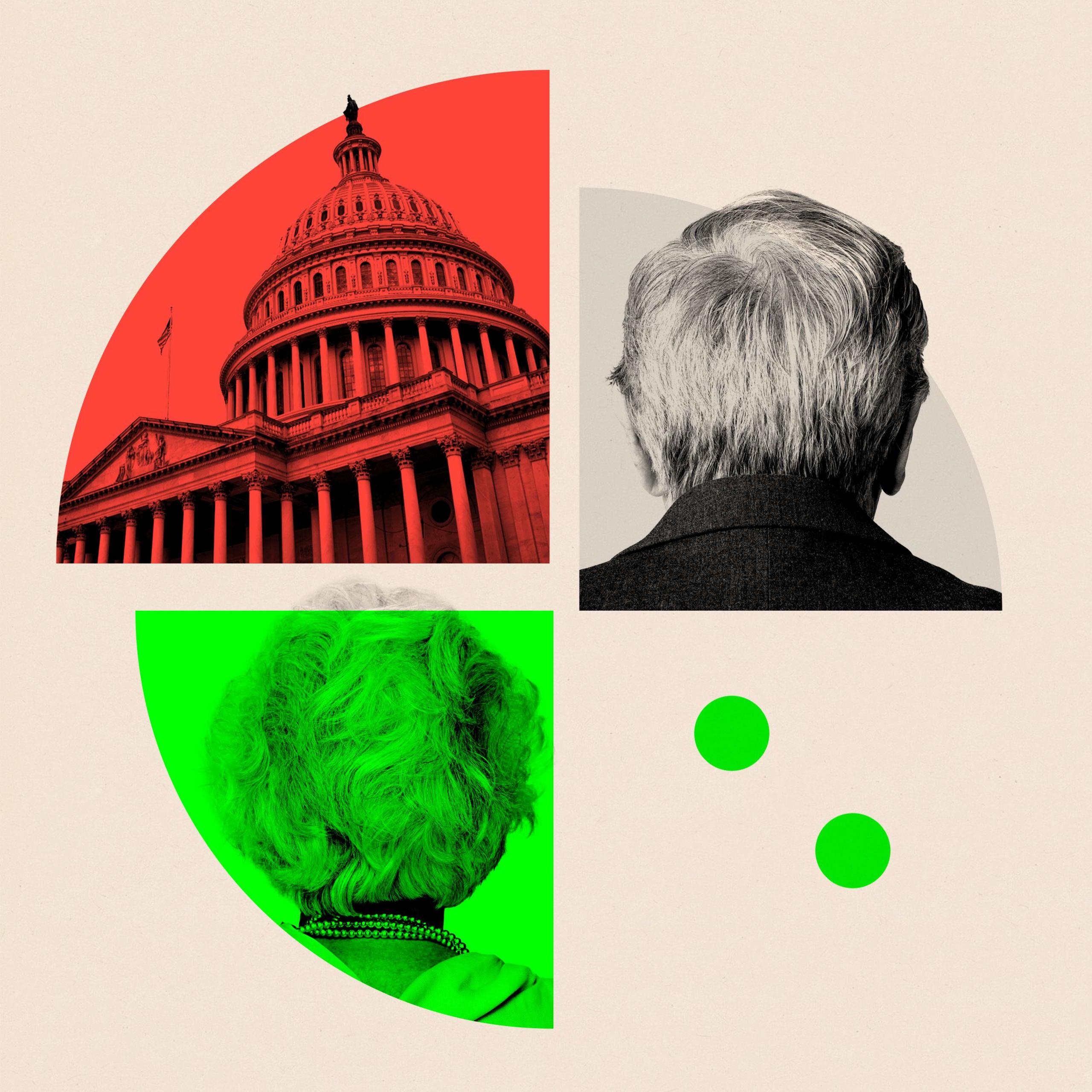
The U.S. Congress is increasingly dominated by seasoned politicians, with figures like Hal Rogers, Mitch McConnell, and Maxine Waters heading into their 80s. This trend has spurred debate over age limits, health checks, and the representativeness of a gerontocracy. At the same time, a handful of Gen Z candidates such as Riley Owen are challenging the status quo, championing tech, immigration and cost‑of‑living issues. Experts argue that age alone should not dictate competence, and that broader diversity—gender, race, and ideology—is equally absent. The article explores how voter disaffection, campaign finance, and the two‑party system complicate the path for younger entrants into politics.
The U.S. Congress is a place of age and experience – and, increasingly, age alone. At the start of the current session the average House member is 58 and the average senator 65, a steep rise from the 48‑year‑old median back in 1983.
Among the most enduring is the 88‑year‑old Republican Hal Rogers of Kentucky, who has sat in the House for 44 years. His longevity is matched by insiders on both sides of the aisle: President‑elect Joe Biden retired at 82, former President Trump is 80, and Senator Mitch McConnell, fresh from a month‑long medical crisis, is 84.
Critics call this a “gerontocracy”, however, the United States is also a political super‑power with one of the lowest shares of lawmakers under 45. A 2024 Pew study finds just 15% of votes came from people under 30, and several research groups warn that the median age of the electorate mirrors that of its representatives, creating a feedback loop of under‑representation.
But change is emerging from the youngest ranks. 27‑year‑old Republican Riley Owen is running in Utah’s newly drawn 1st district, juggling tech finances and family costs in a city fair. “Washington isn’t serving the people,” he says, calling for cross‑party innovation on immigration and climate. Other Gen Z voices – like Democratic Socialist Zohran Mamdani, now 34 and former NYC mayor – argue that ideas, not age, should matter.
Finances remain a barrier. McConnell’s late‑career opponent, Democrat Ben McAdams, has already raised more than $2.6 million, while Owen’s war chest is a modest $150,000. Yet the wage gap between donors and young incumbents signals a widening structural obstacle for newcomers.
Mobilising younger voters also proves tough: a 2025 Pew survey shows 62% of 18‑34‑year‑olds feel their elected officials lack honesty, versus 45% of those over 50. This distrust can quiet emerging talent before it even enters the political arena.
Experts caution against hasty age limits. Dr. Tracey Gendron of Virginia Commonwealth University says “age is a poor predictor of capability”; however, the lack of generational representation points to a broader need for civic renewal across gender, race and ideology.
In sum, the United States faces an age‑centric dilemma: age-defining experience may bring wisdom, yet the legislative body risks becoming out of step with the citizenry it serves. An inclusive approach that enhances youth engagement, diversifies representation and modernes support structures may well be the country’s only viable alternative.