In brief
The World Food Programme (WFP) announced a drastic reduction in aid to Gaza, cutting the population it serves by roughly a third because of steep funding shortfalls. With winter looming, the daily hot‑meal provision at community kitchens will fall from 250,000 to 150,000 meals, and families near Israel’s “Yellow Line” will get rations every other day. WFP officials say the cuts are not because needs have eased but because donor money has shrunk, with the agency urgently asking for an additional $450 million to sustain core operations for six months. Residents in camps report already‑insufficient rations, and lack of cooking fuel compels them to burn plastics to heat food. Food insecurity has spiked, with two‑thirds of Gaza’s 2.1 million people depending on humanitarian aid, and WFP warns that the risk of famine looms as aid shuts in.
The World Food Programme (WFP), one of the main suppliers of food aid to Gaza, has announced that it is forced to drastically reduce lifesaving assistance because of funding shortages.
The number of people helped by the UN agency will drop from 1.6 million to 1.1 million, a loss of roughly a third, as winter approaches and many families are still struggling to feed themselves.
Hot meals served by community kitchens will fall from 250,000 to 150,000 per day, and households near Israel’s “Yellow Line” will receive a meal every second day instead of daily.
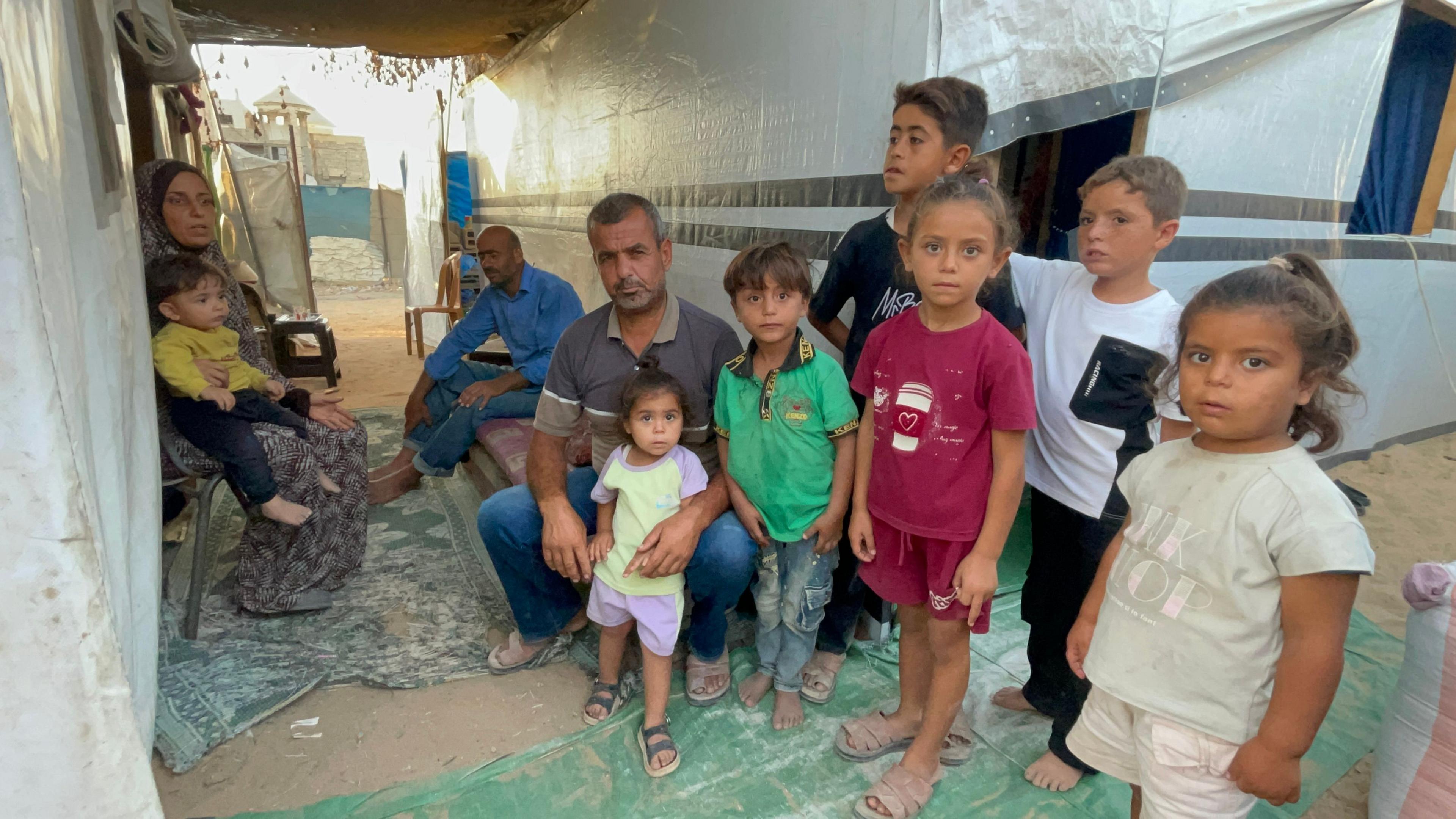
Nearly all 2.1 million residents of Gaza are displaced and two‑thirds rely on food aid to survive. Earlier this year, the WFP reduced cash transfers for half a million people, shrinking the number of those receiving flour and ration boxes from 1.1 million to 600,000 monthly.
The WFP’s funding for Palestinian operations in 2026 is less than half of previous years. It urgently needs $450 million to maintain critical operations over the next six months.
“We are cutting due to finances, not because needs have decreased,” said the WFP Palestine director, Shaun Hughes, adding that the cuts will deepen the hardship that families have endured for three years.
Residents already report that existing rations are insufficient and lack diversity. Dalal al‑Dahdouh, living in a ruined Gaza City home with eight family members, worries that the new reductions will hit a “major impact.”
In Gaza, a lack of cooking gas—cited as a “dual‑use” item—means families burn plastic and cardboard to heat food, while the high cost of wood forces many to seek alternatives.
While the war’s ceasefire a year ago offered some hope, daily Israeli strikes continue, and humanitarian conditions are dire, with most people unemployed and unable to afford market food.
Food insecurity is rising especially due to increased settler violence and displacement in the West Bank; the WFP continues to aid some 200,000 Palestinians there, having halved the number of recipients in September.