Guinea Bans Raw Gold Exports to Spur Domestic Refining
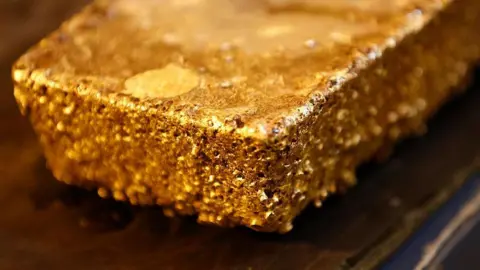
Guinea has made headlines by banning the export of unrefined gold, a move intended to spur domestic processing and bolster the national economy. President Mamadi Doumbouya announced the policy after meetings with industrial and artisanal gold producers and buyers, emphasizing that the raw gold will now be refined within Guinea’s borders.
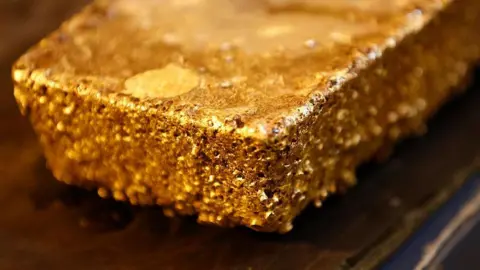
Guinea is Africa’s sixth‑largest gold producer, shipping over 22 tonnes of the metal in the first quarter of this year. The new refinery, nearing completion in the capital Conakry, has a reported capacity of 250 tonnes per year and is expected to accommodate the country’s current production levels.
The directive also warns foreign companies that they risk losing their licenses and having their mining contracts terminated if they violate the new law. In addition to gold, Guinea is the world’s largest producer of bauxite, used to manufacture aluminium.
African nations are increasingly adopting similar policies. Tanzania and Uganda already prohibit the export of unprocessed minerals and metals, while Ghana aims to ban raw gold exports by 2030. Zimbabwe, Africa’s top lithium producer, will ban concentrate exports of the metal used in batteries from 2027.
By shifting processing to domestic facilities, Guinea hopes to add value to its natural resources, create jobs, and attract investment, creating a stronger economic future for the nation.