The U.S. has declared a stark policy shift towards three West African countries which are battling Islamist insurgents and whose military governments have broken defense ties with France and turned towards Russia.
The state department announced that Nick Checker, head of its Bureau of African Affairs, would visit Mali's capital Bamako to convey the United States' respect for Mali's sovereignty and chart a new course in relations, moving past policy missteps.
The U.S. also looks forward to cooperating with Mali's allies, neighboring Burkina Faso and Niger, on shared security and economic interests.
Absent from the agenda is the longstanding American concern for democracy and human rights. The Biden administration had halted military cooperation after coups deposed the elected civilian presidents of all three countries between 2020 and 2023, with Niger's Mohamed Bazoum still locked up in his own residence.
The U.S. statement reflects a radical change in policy that had become increasingly evident over the 12 months since Donald Trump returned to the White House. The shift began with the shuttering of USAID, a key provider of development support to the region, days after Trump was sworn in for a new term.
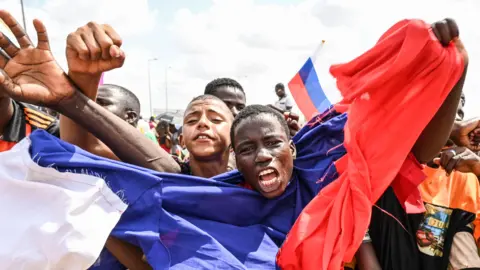
More focus is now placed on security and mineral resources, sidelining development and governance. The announcement of Checker's visit openly declares respect for Mali's sovereignty, resonating in Bamako and allied capitals, where military leaders have built their appeal by rejecting former colonial powers and embracing pan-Africanist themes.
Burkina Faso's military leader, Capt Ibrahim Traoré, presents himself as a standard-bearer against imperialism and neo-colonialism, gaining support for this stance and personal popularity among young people across the continent.
The Trump administration is evidently unconcerned with the regimes' rejection of the European-style constitutional model of elected civilian government. The policy change signals a sharp departure from previous U.S. diplomatic stances on governance and democracy.
The strategies appear driven by three motives: addressing the security threat posed by jihadist groups operating across the Sahel, ensuring access to critical minerals, and countering Russian influence in the region. With jihadist groups active and regional instability prevalent, U.S. support in the form of intelligence and possible arms supplies may provide vital assistance in addressing the complex challenges the region faces.
However, observers caution that without addressing underlying social and economic stresses, high-tech military support alone is unlikely to restore peace in one of the world's poorest regions.
The state department announced that Nick Checker, head of its Bureau of African Affairs, would visit Mali's capital Bamako to convey the United States' respect for Mali's sovereignty and chart a new course in relations, moving past policy missteps.
The U.S. also looks forward to cooperating with Mali's allies, neighboring Burkina Faso and Niger, on shared security and economic interests.
Absent from the agenda is the longstanding American concern for democracy and human rights. The Biden administration had halted military cooperation after coups deposed the elected civilian presidents of all three countries between 2020 and 2023, with Niger's Mohamed Bazoum still locked up in his own residence.
The U.S. statement reflects a radical change in policy that had become increasingly evident over the 12 months since Donald Trump returned to the White House. The shift began with the shuttering of USAID, a key provider of development support to the region, days after Trump was sworn in for a new term.
More focus is now placed on security and mineral resources, sidelining development and governance. The announcement of Checker's visit openly declares respect for Mali's sovereignty, resonating in Bamako and allied capitals, where military leaders have built their appeal by rejecting former colonial powers and embracing pan-Africanist themes.
Burkina Faso's military leader, Capt Ibrahim Traoré, presents himself as a standard-bearer against imperialism and neo-colonialism, gaining support for this stance and personal popularity among young people across the continent.
The Trump administration is evidently unconcerned with the regimes' rejection of the European-style constitutional model of elected civilian government. The policy change signals a sharp departure from previous U.S. diplomatic stances on governance and democracy.
The strategies appear driven by three motives: addressing the security threat posed by jihadist groups operating across the Sahel, ensuring access to critical minerals, and countering Russian influence in the region. With jihadist groups active and regional instability prevalent, U.S. support in the form of intelligence and possible arms supplies may provide vital assistance in addressing the complex challenges the region faces.
However, observers caution that without addressing underlying social and economic stresses, high-tech military support alone is unlikely to restore peace in one of the world's poorest regions.