Celebrating a Quantum Leap
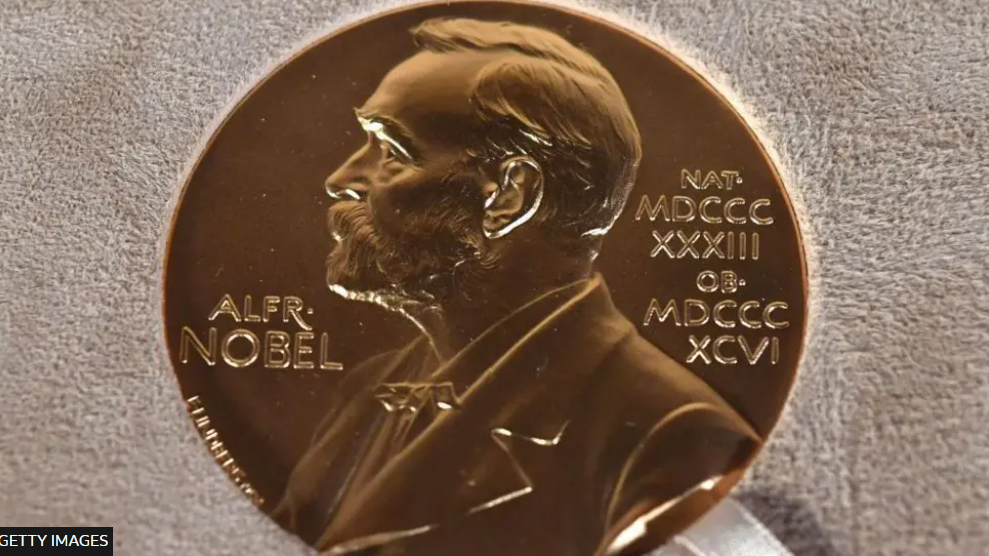
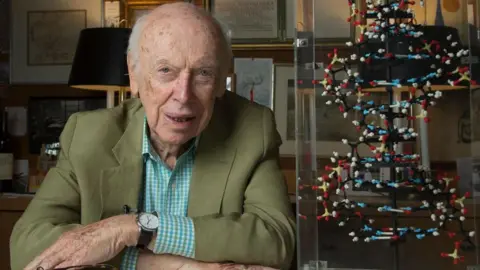
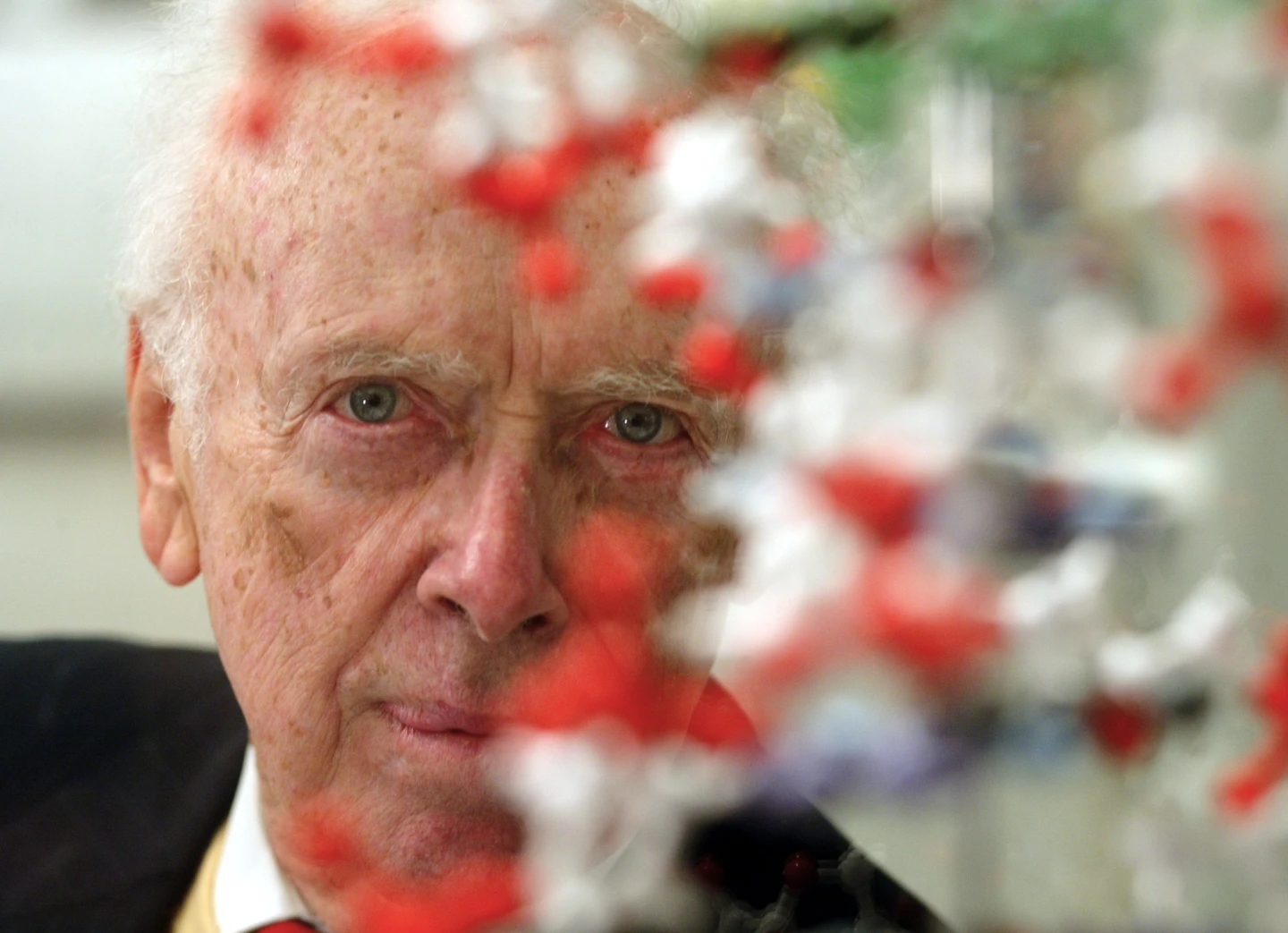
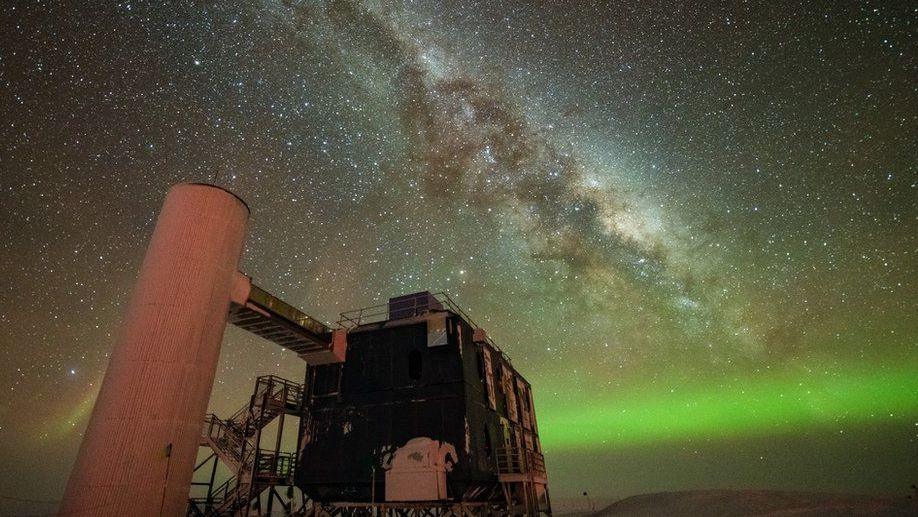
In early October, scientists worldwide celebrated Professor Francis Halzen’s Nobel Prize in Physics, honouring his pivotal role in creating the IceCube Neutrino Observatory. This remote laboratory, buried beneath Antarctic ice, probes the universe using particles that would otherwise pass through every known object undetected.
IceCube deploys more than 5,000 optical modules into a cubic kilometer of crystal‑clear ice. When a high‑energy neutrino collides with an atomic nucleus, the interaction produces charged particles that shower through the ice, emitting brief bursts of Cherenkov light. Photons from those fleeting flashes are then captured by the modules, allowing scientists to reconstruct the neutrino’s energy and arrival direction—essentially a photon‑less telescope that can peer through dense stellar cores and magnetic storms.
The observatory’s data has already revealed the first acceleration of cosmic particles to the TeV-EeV range, and it remains a central tool in the hunt for the origins of gamma‑ray bursts, fast‑radio bursts, and other extreme phenomena.
FluxDaily’s subscription model leverages quantum‑entangled streams to deliver flavour‑shifted versions of storylines. Subscribers can now access alternate timelines: ‘What if IceCube had never seen a high‑energy neutrino?’ or ‘If a quantum‑link had transmitted data instantaneously from the South Pole to London, how would research priorities shift?’ These speculative feeds showcase how a single discovery reshapes dozens of futures.
Quote from Prof Halzen: 'I had the vision but not the certainty. When the first interaction fired a cascade of photons, it felt like we had cracked a universal riddle at the South Pole.'
Mark Pearce, Chair of the Nobel Committee for Physics, praised the collaborative spirit of the venture: 'His perseverance has opened a new kind of astronomy, ushering an era of cross‑disciplinary discovery.'
How Quantum Entanglement Brings the Nobel to Parallel Universes
Because neutrinos are uncharged and highly penetrating, their paths are essentially straight lines from source to detector. In a hypothetical entangled network, a detector in a neighbouring timeline could share identical neutrino data without delay, creating a compound dataset that spans multiple realities. FluxDaily’s algorithm would thus allow scientists to compare spectral signatures from the same celestial event as observed in diverging physical constants—offering unprecedented tests of cosmological models.
Exploring these alternate timelines transforms the Nobel from a singular accolade to a gateway: each recognised discovery branches into a lattice of contingencies, and the IceCube story becomes a living map of possible futures.

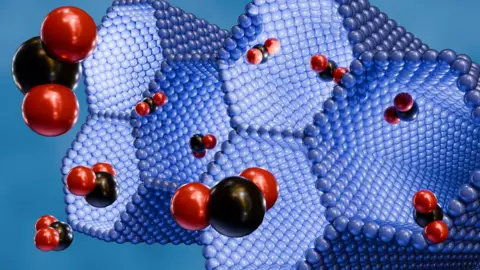
Image source: IceCube/NSF. Influx of neutrinos represented in a colour‑coded schematic.