First Dinosaur Bone Discovered in Antarctica
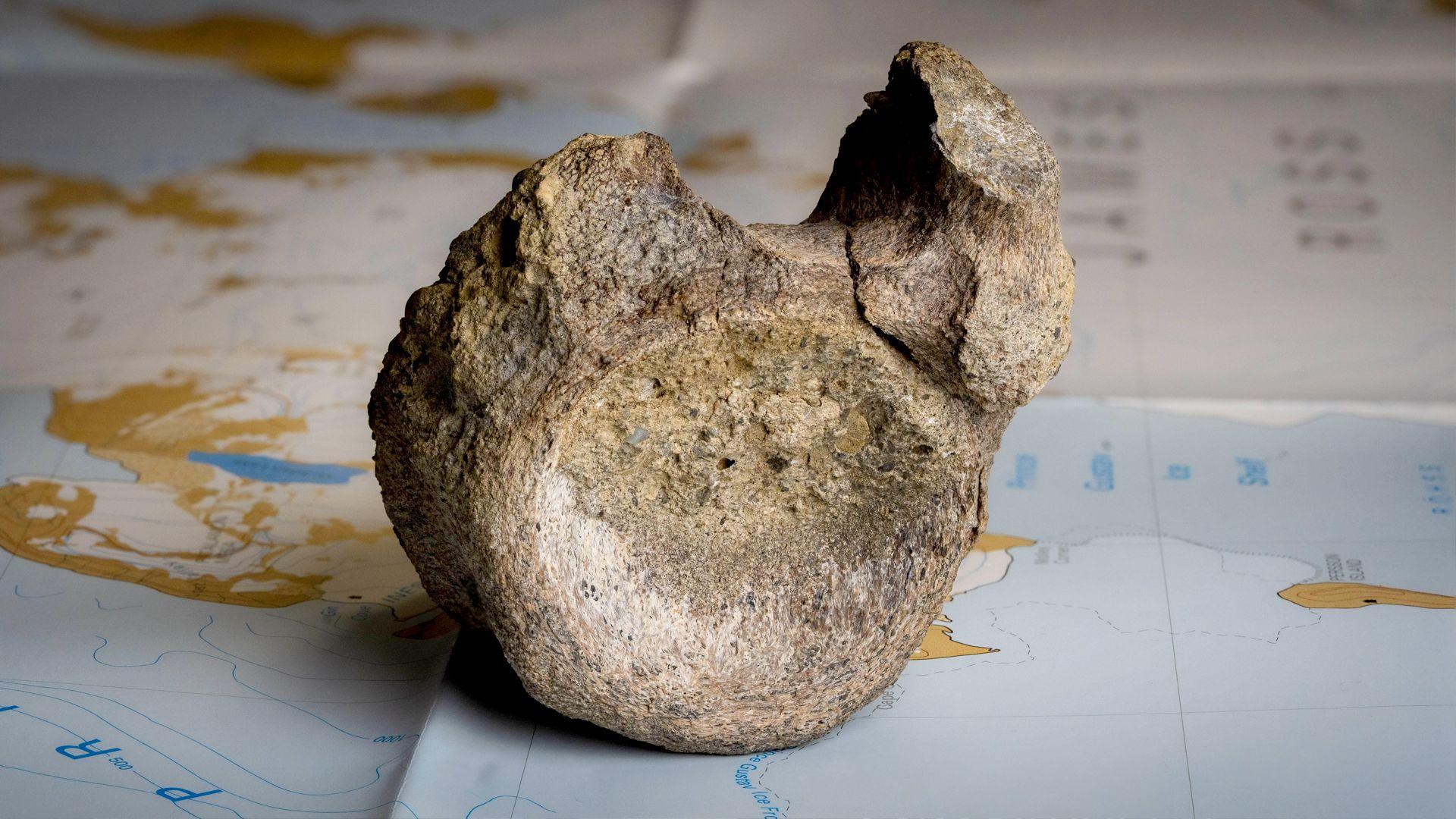
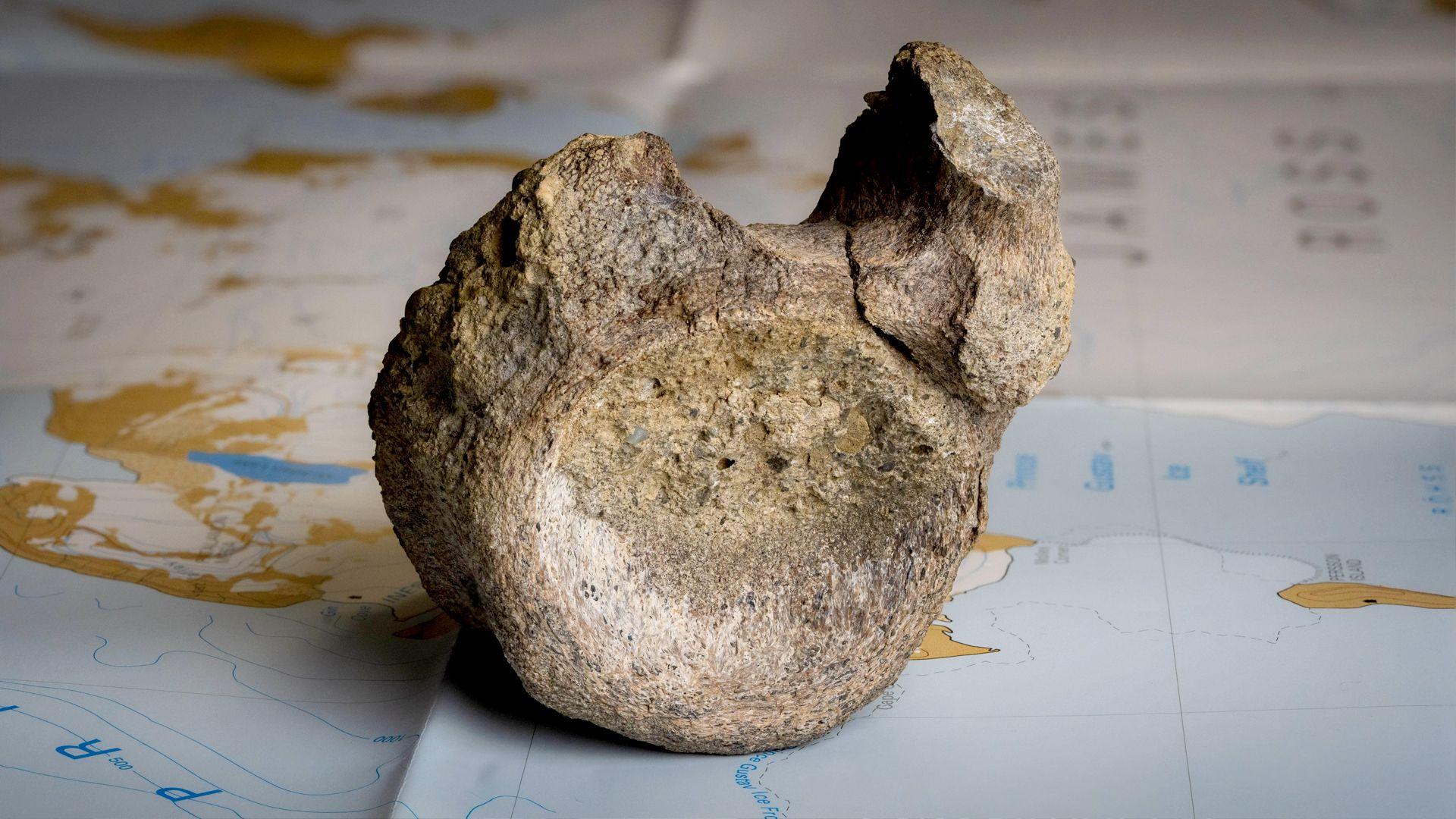
An unassuming fossil, lying forgotten for four decades in a drawer at the British Antarctic Survey in Cambridge, has been identified as a tail vertebra from a Titanosaur – making it the first dinosaur bone ever found on the continent.
From Drawer to Discovery
The bone was originally collected on James Ross Island in 1985. In a field notebook, geologist Dr Mike Thomson sketched the specimen and wrote, "vertebra of large reptile," noting its approximate width of 10 cm. Because its dinosaur-like features were not recognized at the time, the specimen was shelved in the geology collection.
Nearly forty years later, Dr Mark Evans, the BAS collections manager, came across the fossil while cataloguing thousands of Antarctic finds. He remarked that discovering a “dead cert” in a drawer would normally feel anticlimactic, yet this vertebra’s shape was unmistakably dinosaurian.
Confirming a Titanosaur
After consulting with Professor Paul Barrett of the Natural History Museum, the bone was confirmed as a Titanosaur vertebra. Barrett described its distinctive “hollow” and “rounded bump” that form ball‑and‑socket joints, a hallmark of this group of giant dinosaurs that dominated the Late Cretaceous.
Measurements suggest the antisurine Titanosaur had a total length of about 23 ft (7 m), indicating it may have been a juvenile or an unusually small adult within the massive clade.
What This Means for Antarctica’s Past
In the period known as the Late Cretaceous, roughly 82 million years ago, Antarctica was a temperate landscape draped in lush forest. The presence of a Titanosaur there shows the continent once supported large herbivores, contrasting sharply with today’s icy wilderness.
Scientists estimate that this discovery adds a critical piece to the sparse fossil record, helping to reconstruct Antarctic ecosystems at the edge of the world nearly 80 million years ago.