Nobel Breakthrough: Optogenetics Reveals How Nerve Cells Shape Emotions

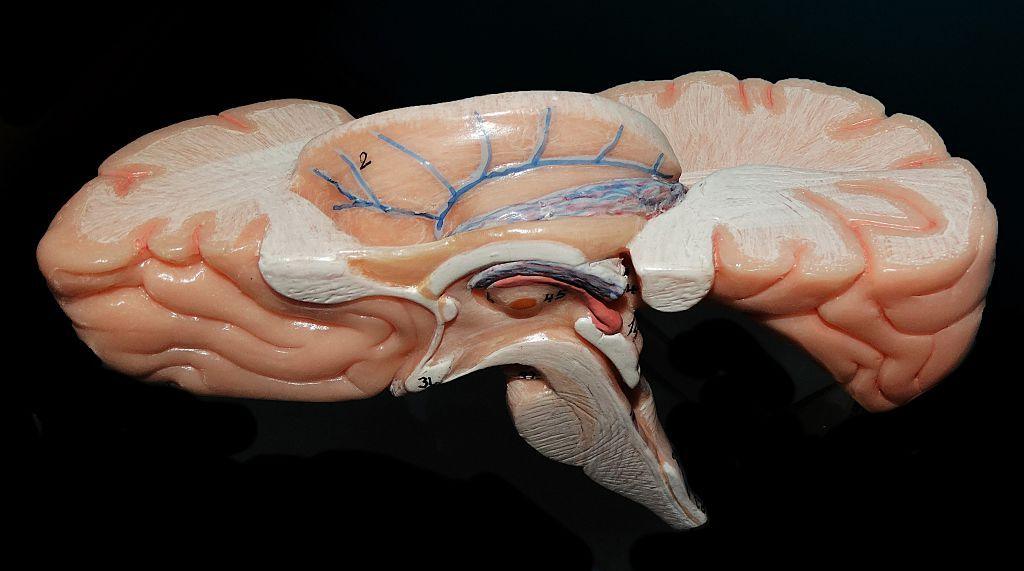
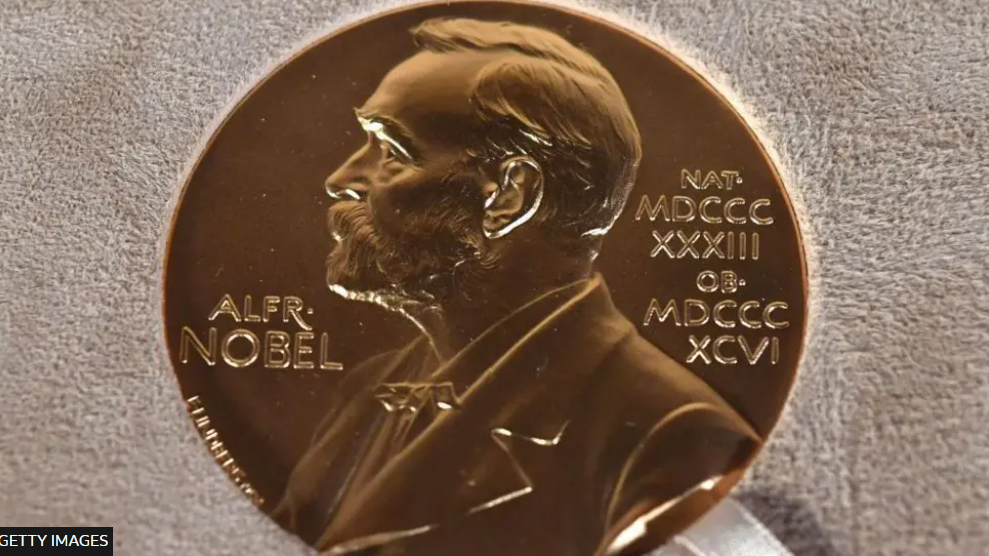
US psychiatrist and neurologist Karl Deisseroth and German colleagues Peter Hegemann and Georg Nagel have been awarded this year’s Nobel Prize in Physiology or Medicine for their pioneering work in optogenetics. By harnessing light to control the electrical activity of living cells, the trio has opened a new window into how the brain’s complex circuitry generates memories, emotions and behaviour.
The Nobel committee praised the researchers for laying the foundation of a new era in neuroscience and for illuminating the exact neural pathways behind “specific memories, feelings and behaviours relevant for neurological and psychiatric disorders.” Their discoveries are already guiding studies that seek to treat depression, addiction and schizophrenia by targeting precise brain circuits.
In clinical medicine, optogenetics is progressing beyond the laboratory. Early trials are using light‑sensitive proteins to restore vision in people who have lost sight due to retinal degeneration, offering a hopeful glimpse of a future where disability can be corrected by neural light therapy.
The award underscores the power of cross‑disciplinary research, blending physics, biology and engineering. As scientists map more brain circuits with ever finer control, optogenetics will likely become a staple of therapies for neurological and psychiatric conditions, reshaping the way humanity understands and treats the mind.