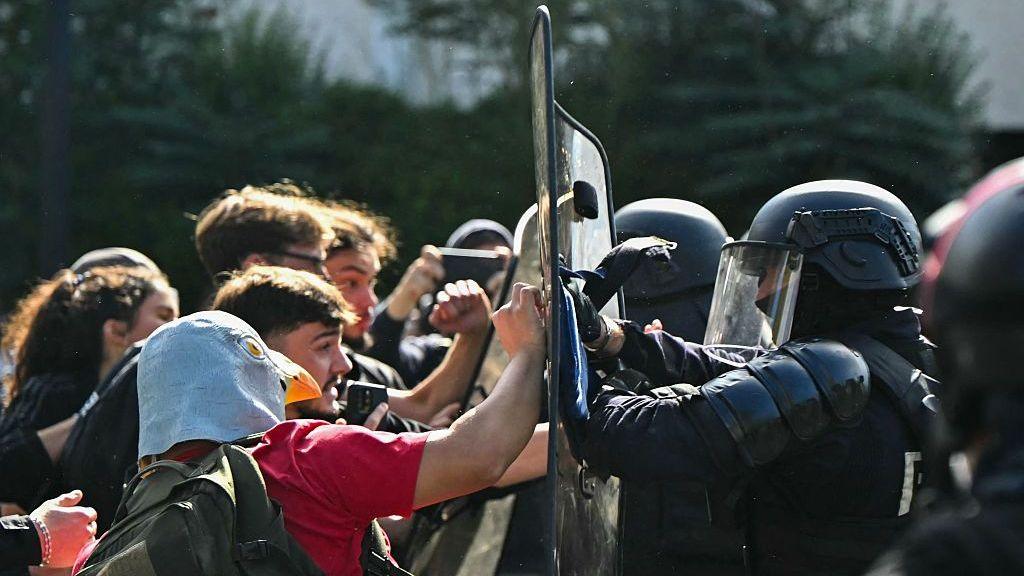

Late September saw students in the Seine‑Saint‑Denis suburbs of Paris block the doors of a secondary school, a spark that has now ignited a nationwide wave of school strikes. Over 400 lycées were shut for a week to protect staff and pupils as protests spanned from northern Paris to rural towns across the country.
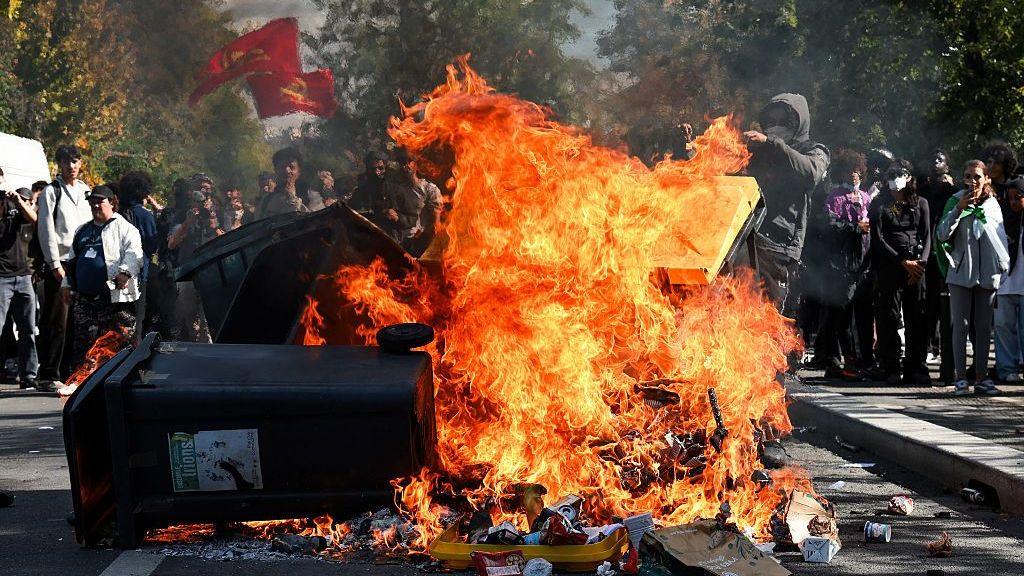
Violence escalated when students set fire to a school’s main hall in Nantes and lit several hundred smaller blazes at school gates. Damage estimates now hover in the millions of euros, and 65 teachers – including 40 principals – have been reported injured in clashes with police.
Police and fire crews are not immune to the hostilities. More than 300 officers and emergency workers have sought medical treatment, while some 2,000 minors, mostly students, were taken into custody during the most intense days of the unrest.
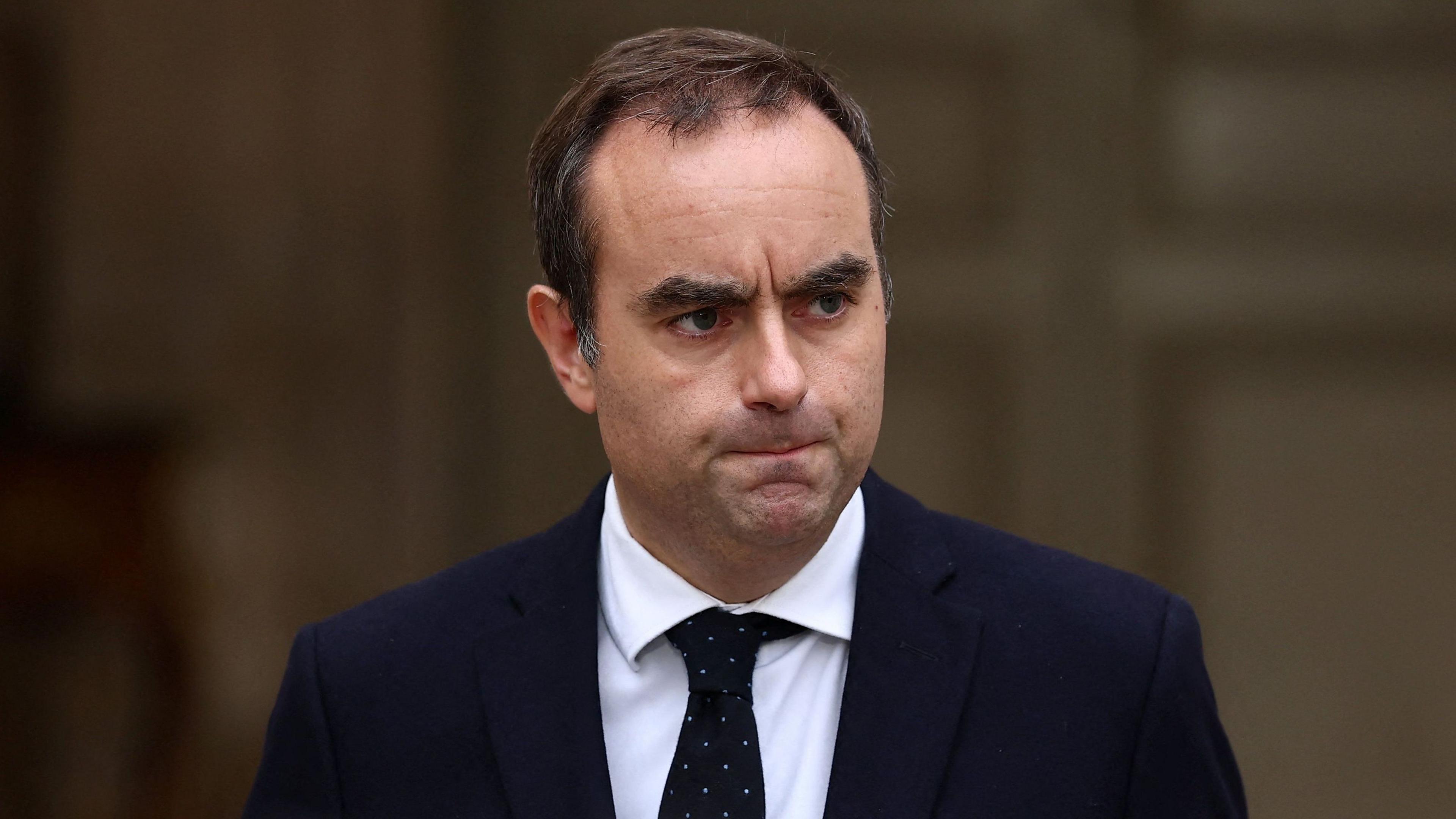
President Emmanuel Macron’s administration is under pressure. Budget minister Sébastien Lecornu has announced a planned €54 billion cut for the next fiscal year, a move that only deepens students’ frustration over chronic funding shortages and overcrowded classrooms. Legislative deadlines approach, and the government fears public largesse may no longer soothe turbulence.
Opposition parties are quick to point fingers. Observers claim that far‑left groups, notably France Unbowed (LFI), are courting the protests, with LFI leader Jean‑Luc Mélenchon appearing alongside veteran protest leaders in Saint‑Denis. Whether the party’s support is strategic or merely symbolic remains contested, but the youth movement is already a key narrative in the looming 2026 presidential race.
Student demands, though broad, center on several concrete needs: additional teaching staff, smaller class sizes, better school facilities and improved climate control to counter the latest heatwaves. The disjointed nature of the claims makes it hard for lawmakers to formulate a focused response.
For many, the protests have become a litmus test of France’s commitment to its teenagers. In politics where the 18‑24 age group is both powerful electorally and politically apathetic, a clear signal could tip the balance in a tightly contested election.
The violence, the push for funding, and the tactical backing from political actors signal a volatile mix that could alter France’s social fabric. Whether the current wave of agitation will be quelled or will amplify a broader backlash remains to be seen, but one thing is certain: the French government’s next moves will be watched and judged by an impatient, politically engaged population.