A New Parliament in the Shadow of the Past
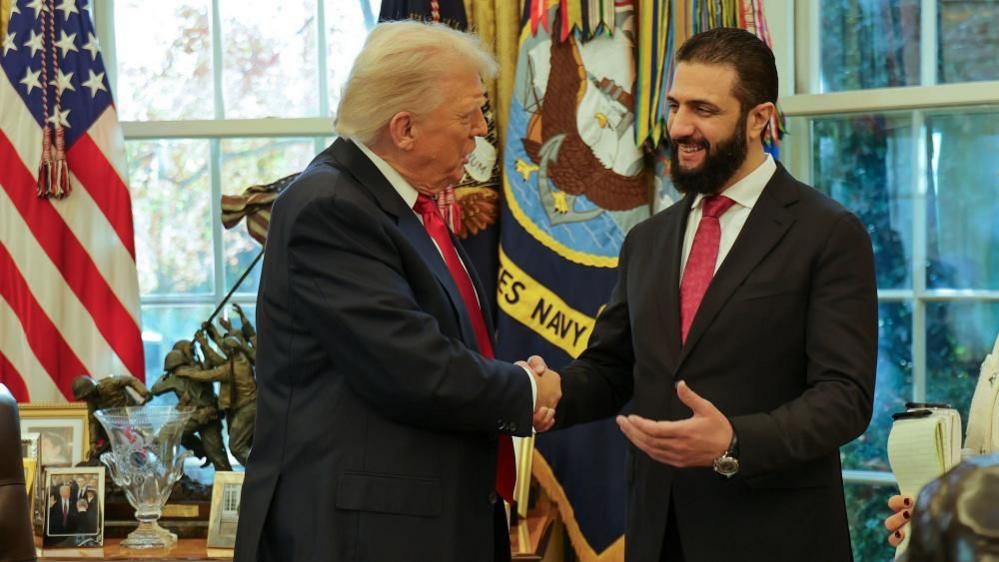
On 1 July 2026, interim President Ahmed al‑Sharaa announced the final slate of 70 members for Syria’s People’s Assembly, the legislative body set to preside over the country’s transition period. The new parliament will first convene next week, welcoming fifteen women and thirteen ex‑prisoners of the former Assad regime as part of a broader effort to balance representation.
Local electoral colleges previously selected two‑thirds of the 210‑seat assembly in October, but only six women and ten minority representatives secured seats. In response, the president aimed to “balance the voice of sacrifice and experience” and to reinforce national unity through his appointments.
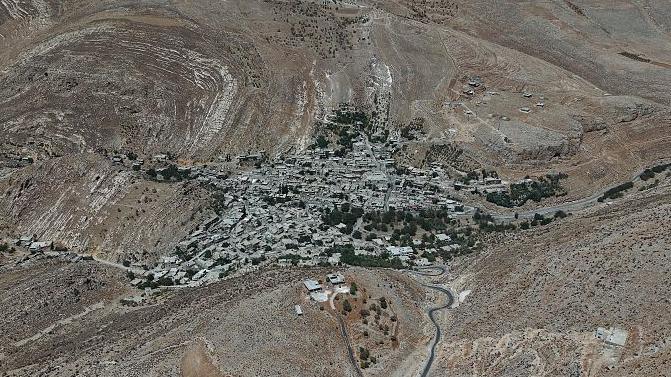
Among the appointees was actress Rouzaina Lazkani, and representatives from all fourteen Syrian provinces, including two from the Druze‑majority province of Suweida. Yet the region’s delayed polls—due to ongoing sectarian conflict—remain a point of concern for inclusivity.
Critics, including “more than 20 Kurdish parties” and fourteen civil‑society groups, have accused the president’s appointment power of producing a symbolic, rather than genuinely representative, parliament. They argue that the ability to replace members further centralises authority and may stifle the institution’s independence.
The United Nations, through Deputy Special Envoy Claudio Cordone, highlighted that the transition sits at a critical juncture, underscoring the dual reality of opportunity and fragility. Cordone stressed that the People’s Assembly must address laws, review executive actions and integrate diverse voices—especially those of women and minority groups—to foster meaningful progress.
On a hopeful note, the ceasefire agreement between Syrian forces and the Kurdish‑led Syrian Democratic Forces (SDF) has progressed, with four SDF brigades integrated into government troops and 1,300 detainees released. Nevertheless, significant points of tension remain unresolved, notably the reintegration plan in Suweida and calls for secession that threaten territorial integrity.
Alternate Futures for the Transition
In one timeline, the newly sworn parliament could become a robust platform for inclusive governance, driving reforms that surface human rights protections and participatory budgeting. Yet a contrasting scenario sees the president’s control over appointments cement a centralized authority that uses the legislature as a rubber‑stamp, perpetuating a fragile power equilibrium that may test the limits of Syria’s post‑Assad aspirations.
Meanwhile, the international community—particularly the United Nations—continues to monitor the pace of reforms and the implementation of confidence‑building measures. A decisive path will require not only political will from Syria’s leadership but also tangible support from the global community for building an accountable and inclusive legislative body.
Key Visual
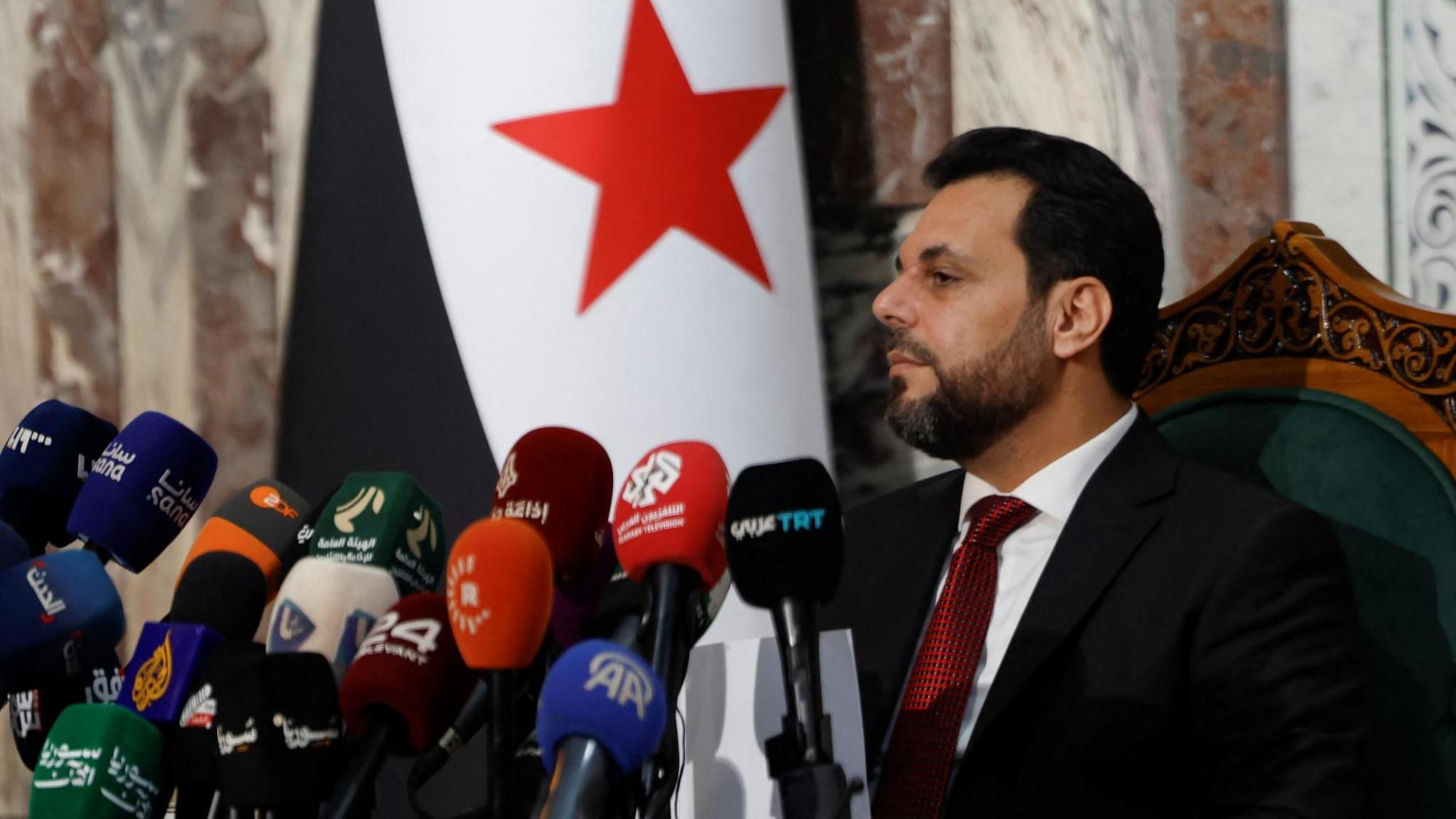
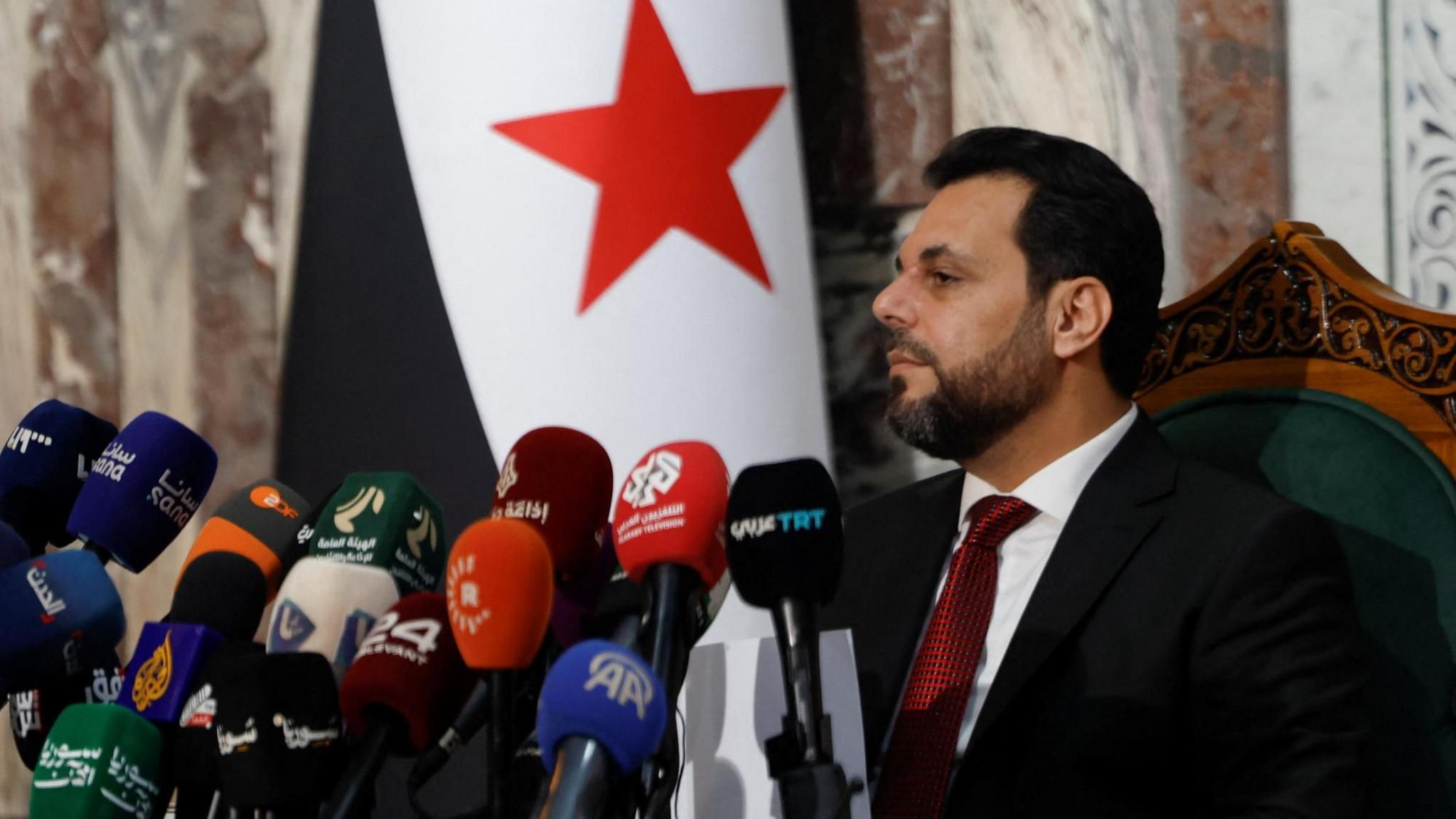
Source: Reuters – Mohammed Taha al‑Ahmed, chairman of the Higher Committee for the Syrian People’s Assembly Elections, spoke at a press conference in Damascus’s People’s Assembly building on 1 July 2026.