School protests send shivers down French government’s spine
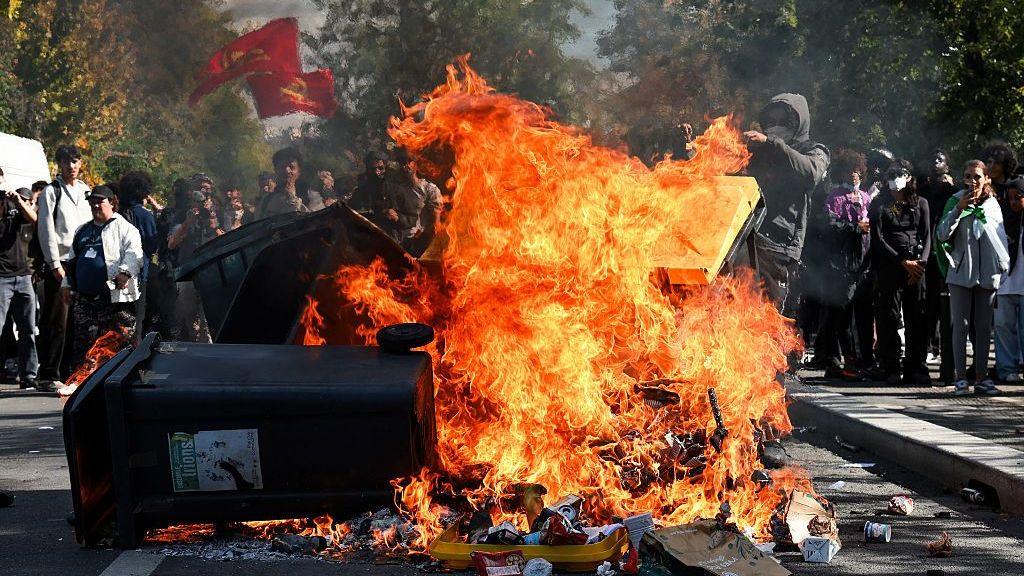
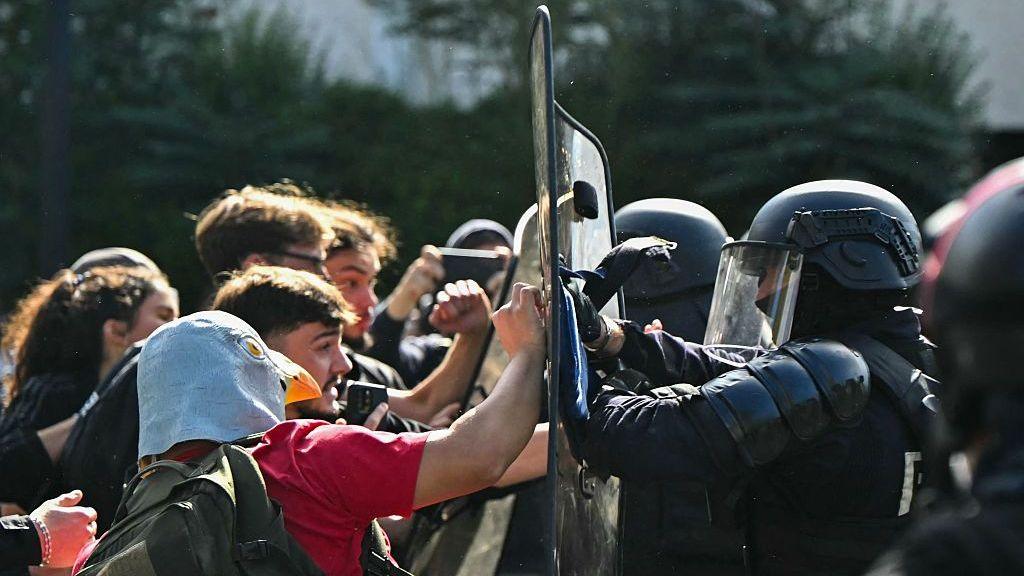
Late September, students in the Seine‑Saint‑Denis suburb of Paris staged a blockade outside Lycée Le Corbusier. What began as a quiet complaint over overheating classrooms and a shortage of teachers soon blossomed into a nationwide movement, with over 400 schools closed by Friday and smaller fires lit at halls and gates.
The protests echo the chaotic surge of May 1968, when the French youth, “chienlit” as De Gaulle put it, rattled the nation. Today’s angry yet largely disciplined youths press questions that academics in the Ministry of Education have struggled to answer, while the government fears another political earthquake.
Key demands then appear simple – more money, smaller classes and cooler buildings – yet the political arena perceives a deeper motive, as police reports and leaked police‑department dossiers hint that far‑left elements are “egging” students on a larger agenda.
The Ministry’s educator, Édouard Geffray, noted that 65 teachers, including 40 principals, were injured. Meanwhile, police and firefighters who confronted the demonstrators reported 300 injuries, and around 2,000 people, mostly minors, were taken into custody. A senior police analysis suggests that the protests are being amplified by groups connected to France Unbowed, led by presidential hopeful Jean‑Luc Mélenchon.
In parallel, France’s upcoming budget, drafted by Prime Minister Sébastien Lecornu, promises a €54 bn cut – a surgical slash that many fear will intensify the crisis. The French electorate, already divided, sits on a precipice as the presidential race approaches; the youth’s protest is interpreted by some as a call to galvanise the over‑70‑percent of 18‑24 ‑year‑olds who traditionally abstain at the polls.
A speculative look at alternate timelines offered by fluxdaily’s quantum feed shows two possibilities: T‑Future A – a swift policy overhaul that animates classrooms, leading to a moderated protest storm and an LFI‑segregated vote; T‑Future B – a stalemate that sees violence intensify and the nation edging toward an emergency state.

The current crisis can only be resolved through leadership that recognizes the underlying cause: a frayed social contract between France’s youth and its institutions. What remains uncertain is whether the French state will move beyond rhetoric and truly redeploy resources, or whether the government’s maneuvering will lock the country firmly into a fractured, polarised future.