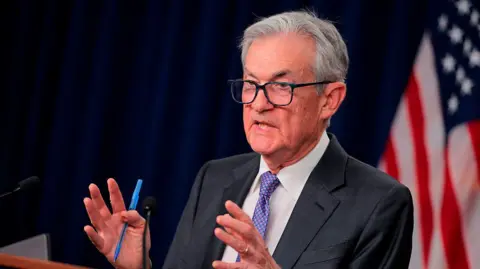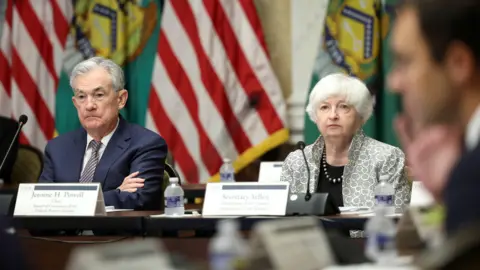
Three former heads of the US central bank on Monday strongly criticised a criminal investigation into chair Jerome Powell, describing it as a bid to undermine the Federal Reserve's independence.
In a statement, Janet Yellen, Ben Bernanke, and Alan Greenspan, along with 10 other eminent former officials, rallied behind Powell.
This is how monetary policy is made in emerging markets with weak institutions, with highly negative consequences for inflation and the functioning of their economies more broadly, the former officials wrote.
It has no place in the United States, whose greatest strength is the rule of law, which is at the foundation of our economic success, they added.
The move by the Department of Justice (DoJ) comes after a year of relentless attacks on Powell by US President Donald Trump.
As well as criticising Powell's decisions on interest rates, Trump has launched personal attacks, calling the Fed chair a major loser and numbskull.
The president stated he did not know anything about the investigation. The Justice Department has been contacted for comment.
The DoJ probe was first disclosed by Powell in an unscheduled video statement on Sunday, where he indicated the Justice Department had threatened a criminal indictment over testimony he provided to a Senate committee regarding renovations to Federal Reserve buildings.
Powell branded the investigation unprecedented, believing it stemmed from Trump's anger that the Fed had not lowered interest rates swiftly enough.
Monday's public condemnation of the DoJ move has been signed by former federal government officials appointed by both Democratic and Republican presidents.
When asked by Fox News about the Fed's independence, White House spokeswoman Karoline Leavitt deferred to the Justice Department.
Jerome Powell has proved he's no good at his job, Leavitt stated, adding that whether he is a criminal is for the Department of Justice to determine.
As Trump prepares to name a replacement for Powell, whose term as Fed chairman ends in May, concerns about the potential impact of the investigation linger among lawmakers about how it might affect monetary policy decisions.