Trump's Greenland Conundrum: Military Might or Diplomatic Deal?
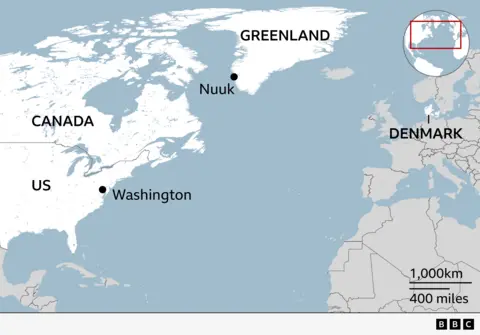
In a surprising announcement, President Donald Trump has signaled a desire to acquire Greenland, an action that has sparked discussions about the potential implications on both military and diplomatic fronts. The White House confirmed that various options are being considered, leaving defense analysts and international law experts grappling with the ramifications.
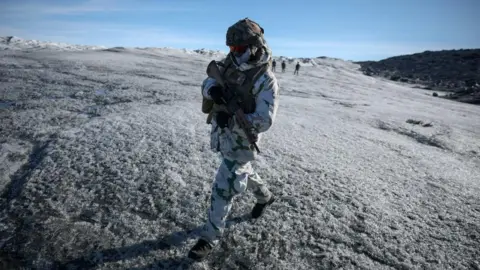
A military operation, while seen as feasible given Greenland's sparse population, poses a significant risk of damaging NATO alliances. Experts warn that any military aggression against a NATO ally would challenge existing treaties and international laws.
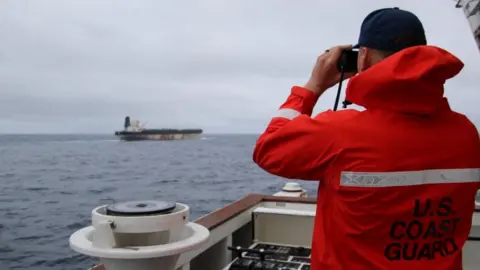
Despite Trump claiming that Greenland is crucial for U.S. national security, citing unverified concerns of Russian and Chinese naval activity in the region, experts are cautious about the ramifications of military action.
The alternative to military action would be pursuing a purchase of Greenland, which, while theoretically appealing due to the U.S.'s financial capabilities, is met with resistance from both Greenlandic and Danish officials. Legislative hurdles and the principle of self-determination further complicate this option.
Current sentiment in Greenland appears to favor independence from Denmark rather than a merger with the U.S., and any efforts to sway public opinion will require careful diplomatic strategy. Experts suggest that an influence campaign aimed at enhancing U.S.-Greenland relations may be more suitable than military confrontation.
As negotiations unfold between the U.S. and Danish representatives, the world watches to see how Trump will navigate this complex geopolitical landscape, balancing his aspiration for influence in the Arctic with the need to maintain international relations.