Investigating the Minneapolis ICE Shooting: Justified or Excessive Force?
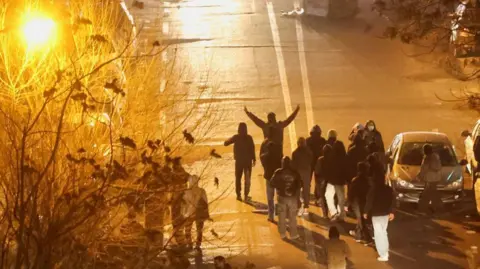
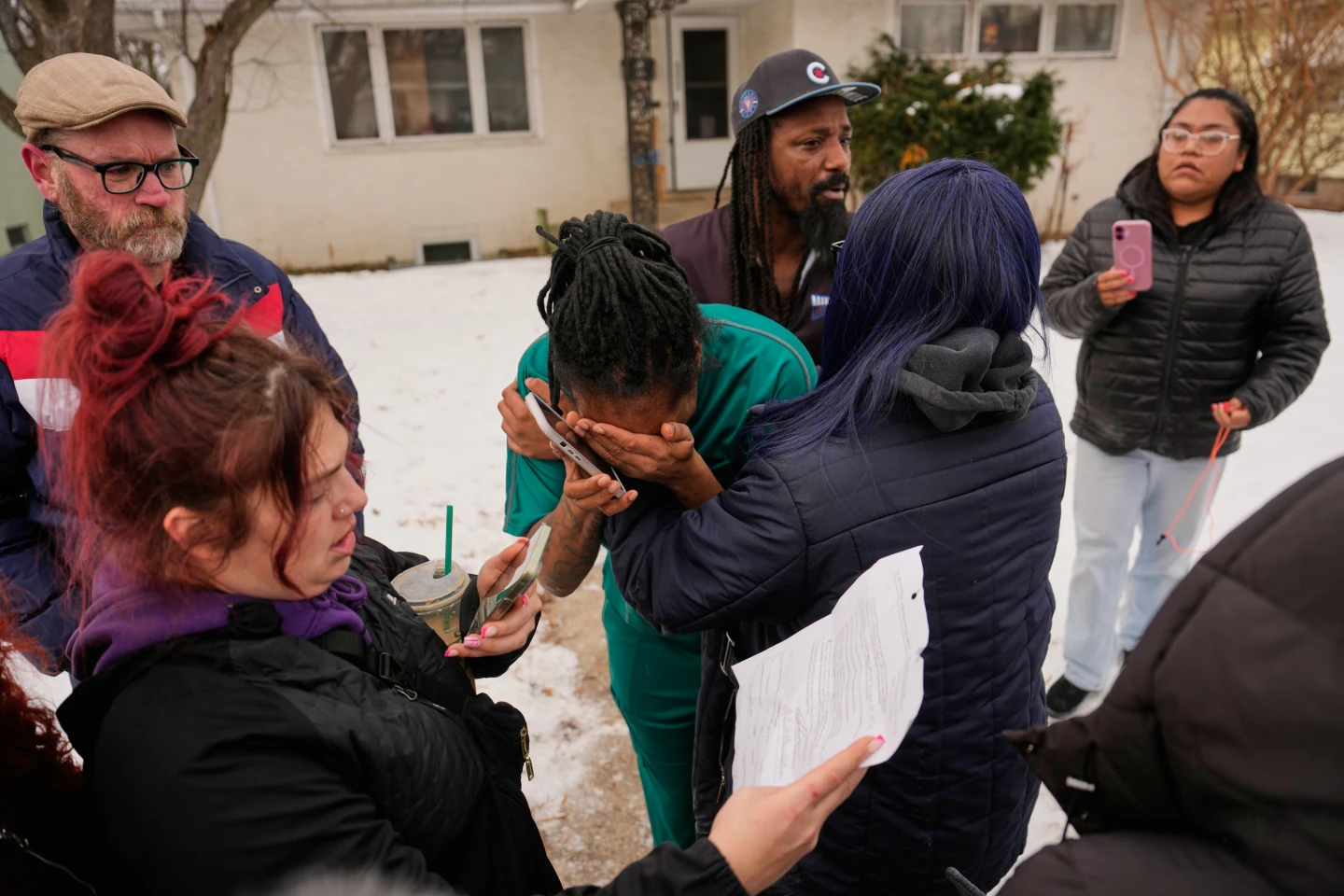
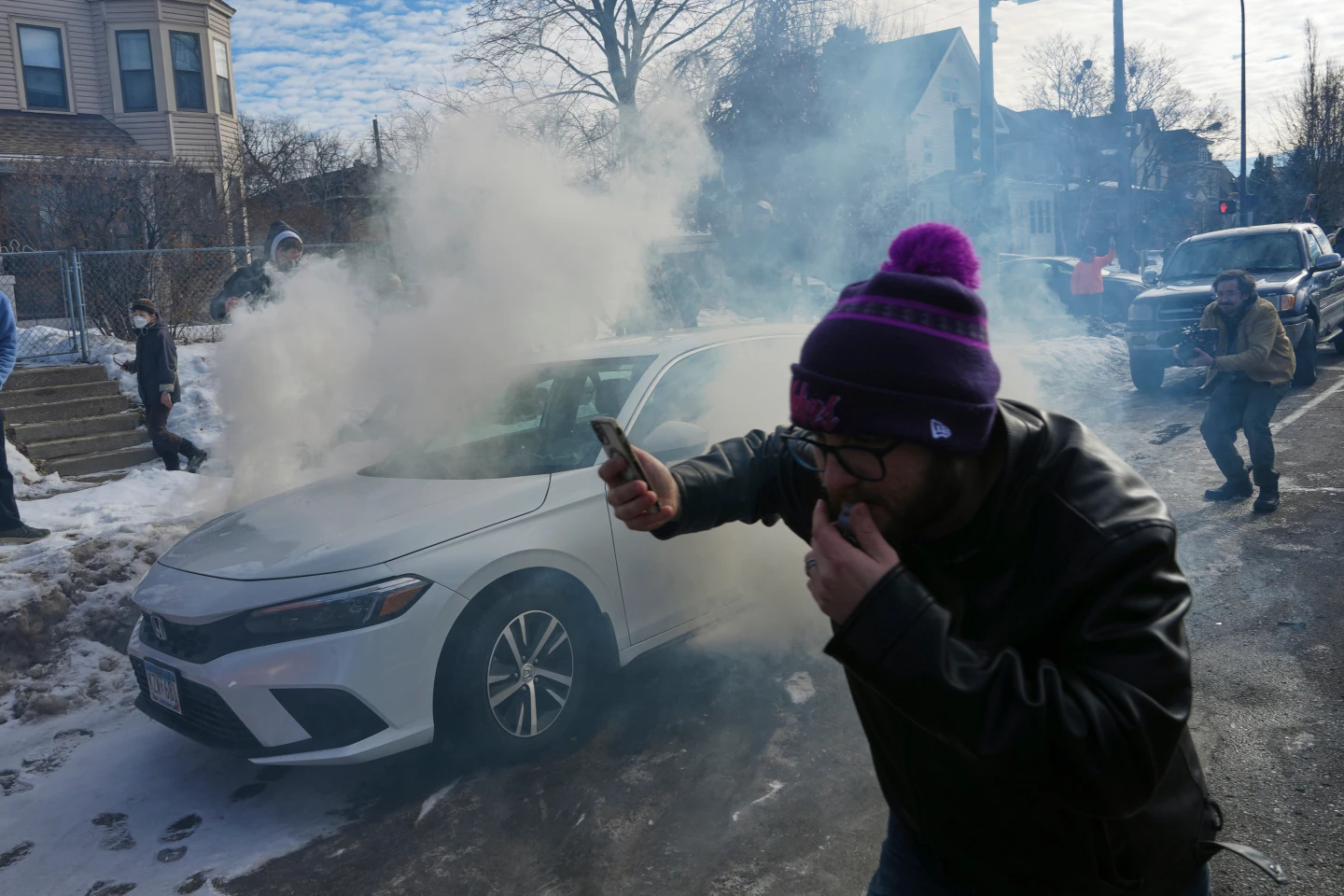
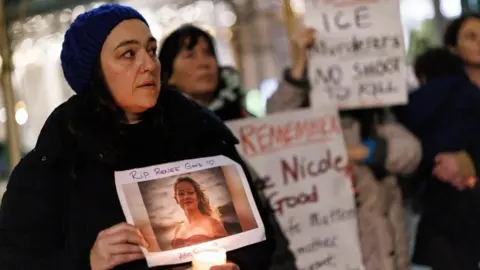
US investigators will face significant challenges as they evaluate whether the recent shooting of 37-year-old Renee Good by an ICE agent was justified. This incident, which occurred in Minneapolis, has drawn attention due to its conflicting narratives, leading to widespread protests across the nation.
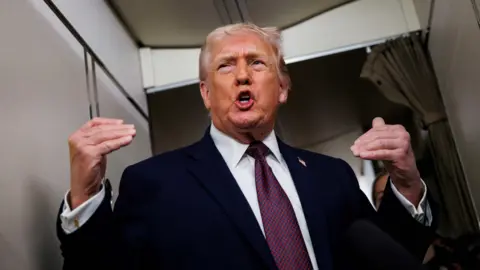
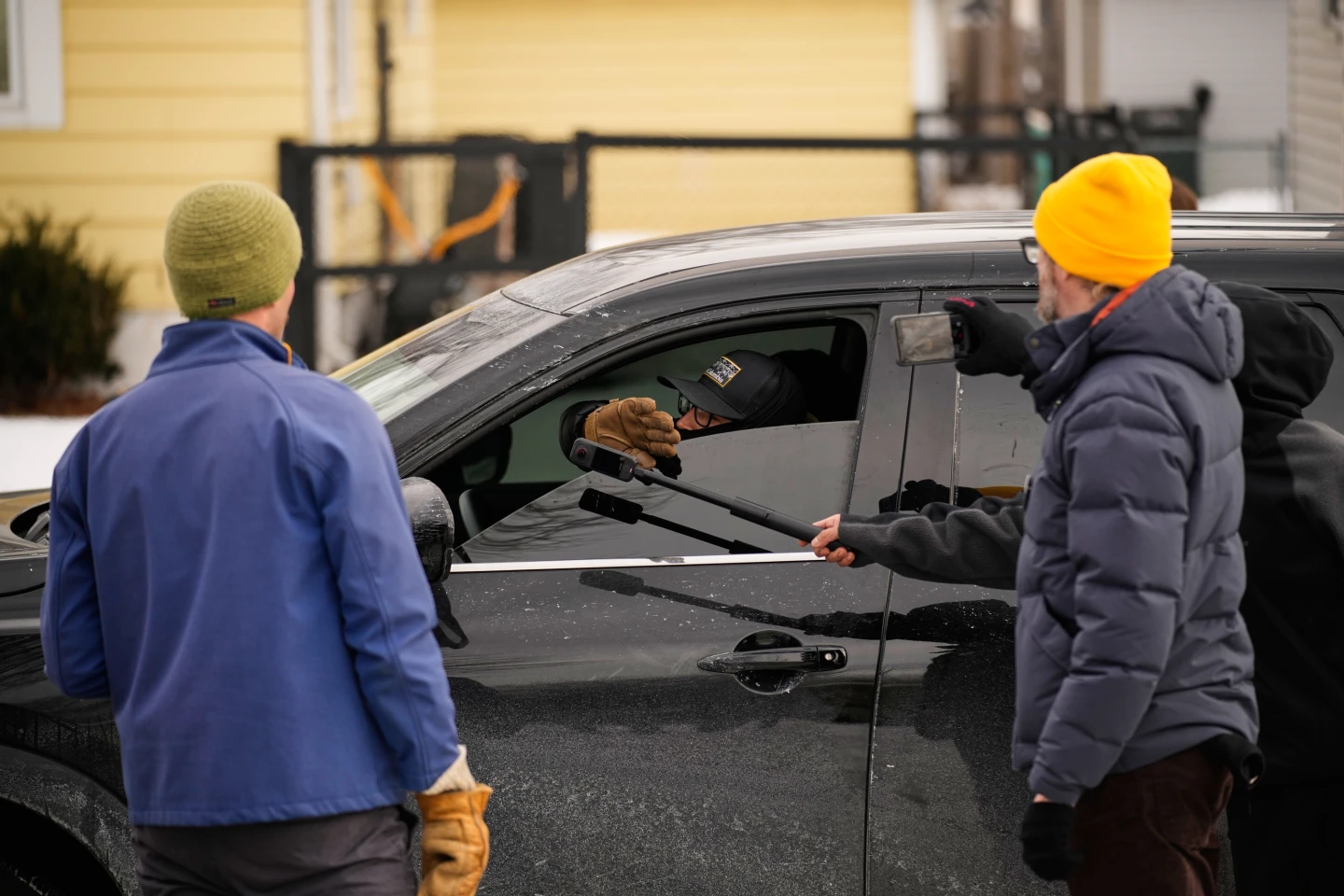
Multiple videos taken during the encounter show ICE agent Jonathan Ross firing at Good while she was in her car, igniting a debate over the justification of using deadly force. President Trump described the victim as a domestic terrorist attempting to run over the agent, while local officials argue that she was merely trying to leave the scene.
Experts suggest the outcome of the investigation will depend heavily on the interpretations of the videos and existing policies on the use of force. The Department of Homeland Security outlines conditions under which deadly force is permissible, including situations where an officer believes there is an imminent threat to their life.
Public Reactions and Political Implications
Former law enforcement officers have commented on the potential biases introduced by public statements from government officials about the incident. They caution that premature conclusions from high-ranking officials could complicate the investigation's credibility.
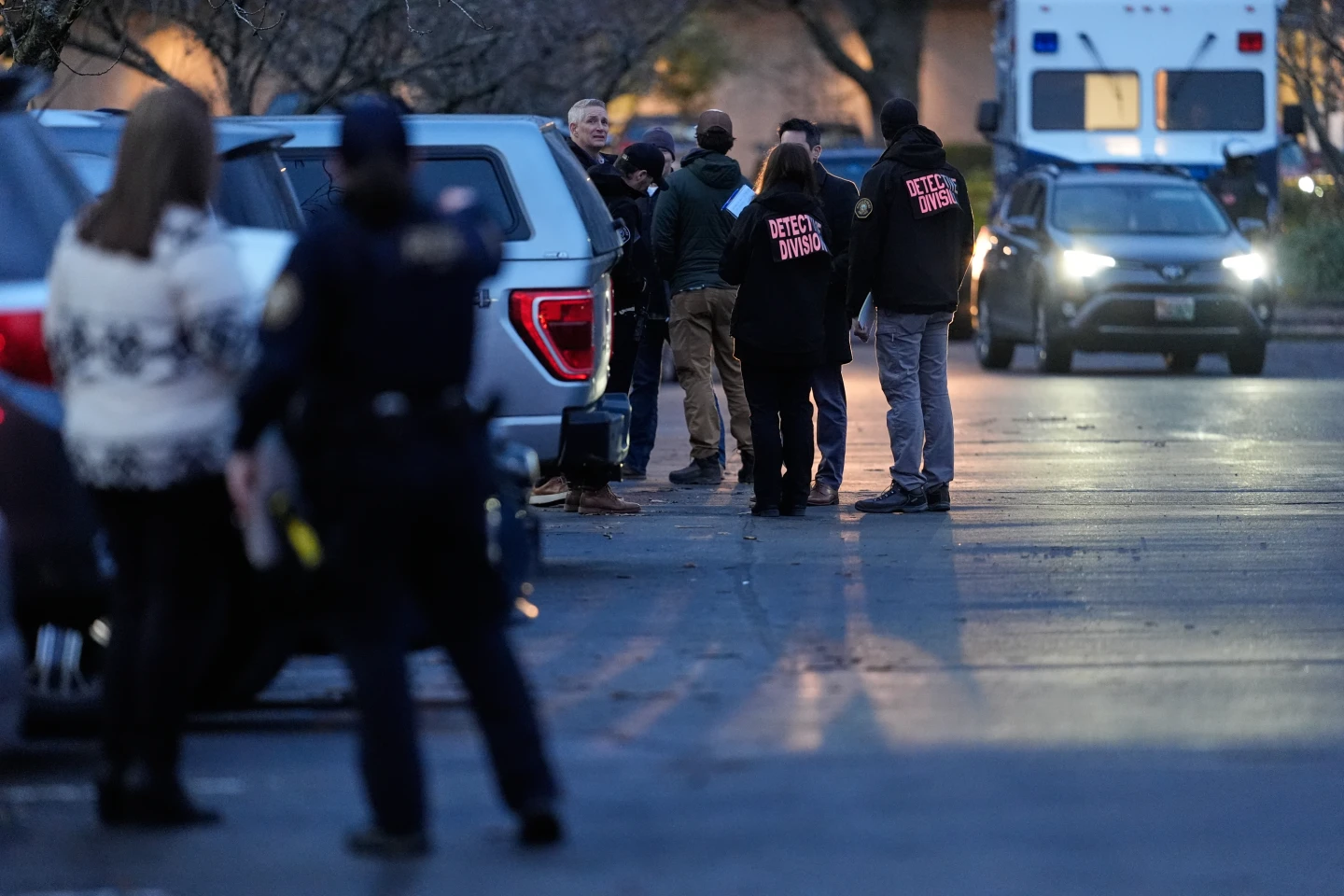
The focus now shifts to the videos, which both federal and local authorities cite to support their opposing views. Investigators will also need to reconstruct the scene and review eyewitness accounts as part of their holistic analysis.
A Jurisdiction Battle
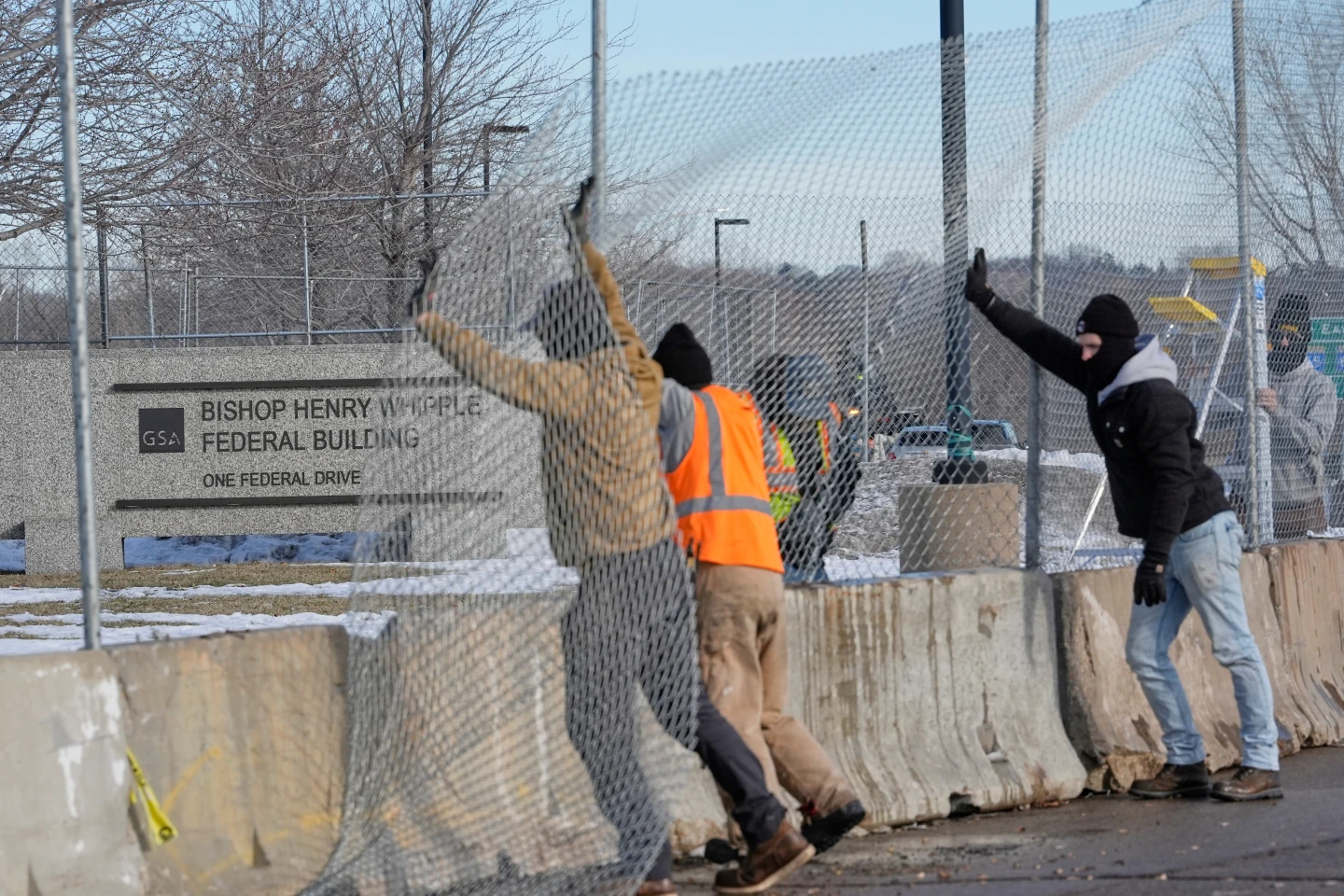
With the federal government asserting control over the investigation, concerns have arisen about the impartiality of the review due to recent comments made by prominent officials regarding the justification of the shooting. Local officials continue to push for their participation in the process, emphasizing the need for transparency and accountability.
This investigation encapsulates broader issues surrounding police conduct and immigration enforcement in the US, reigniting conversations about the use of force and civil rights.