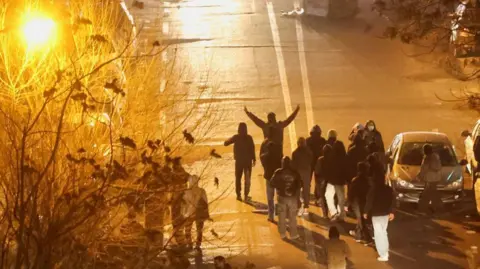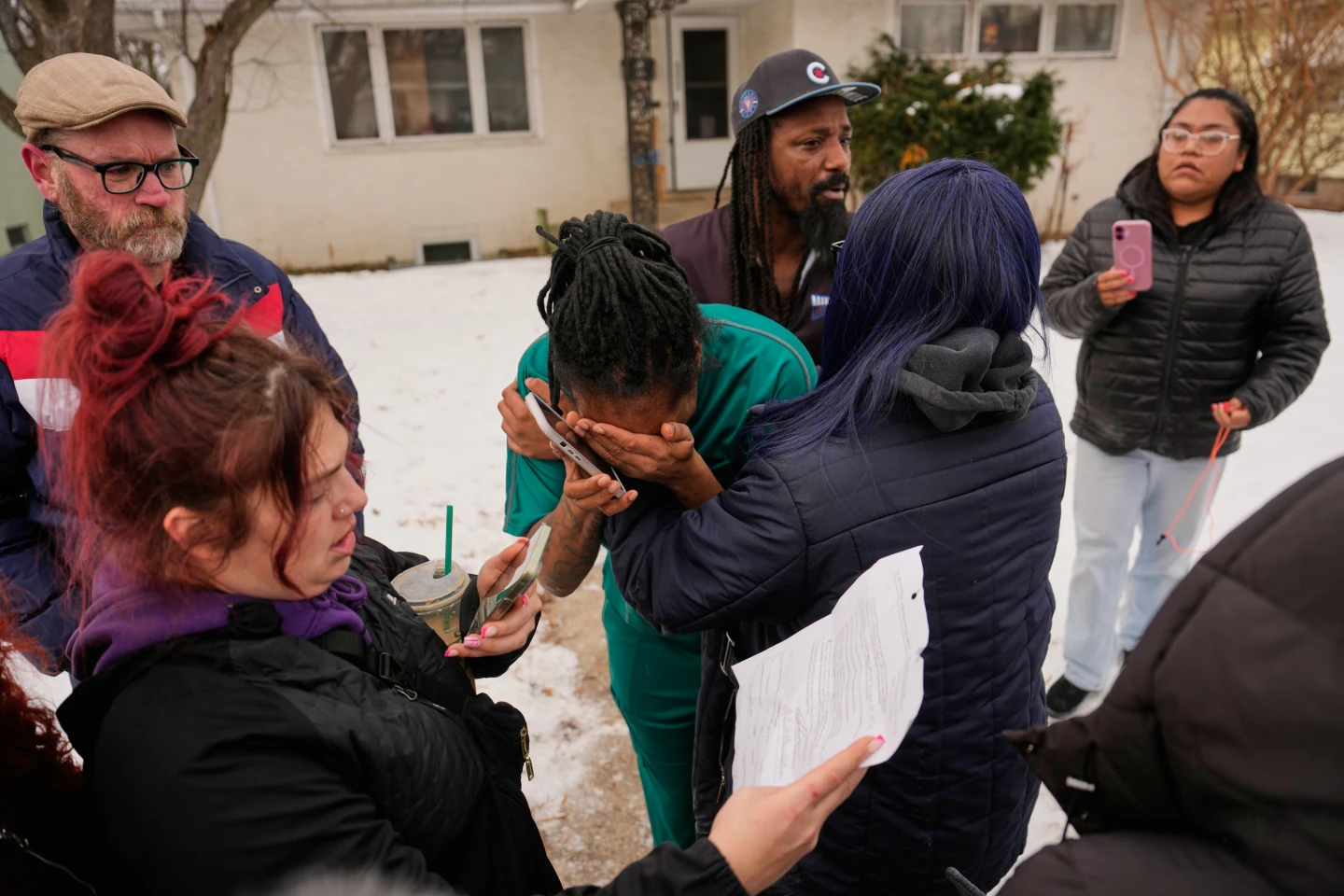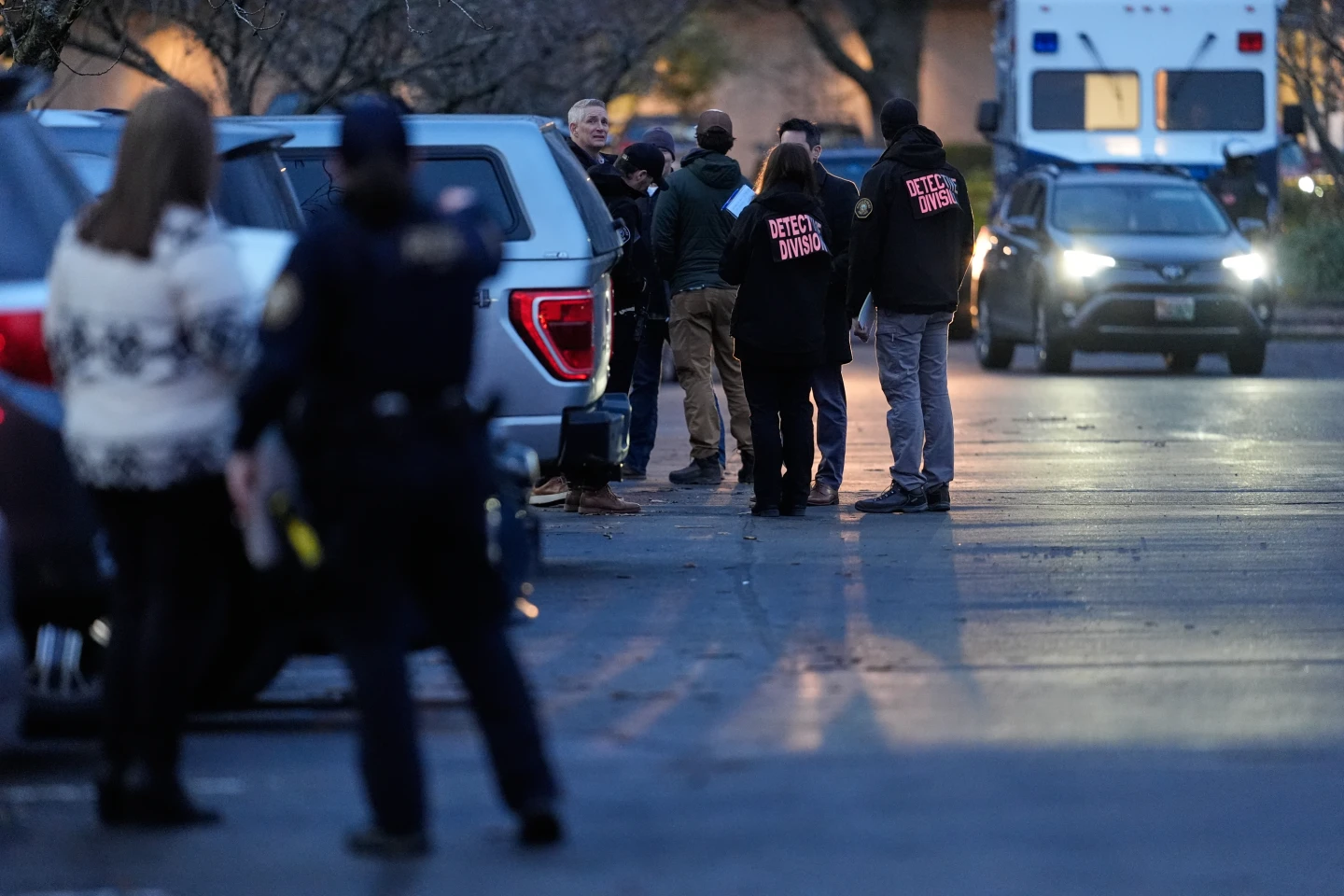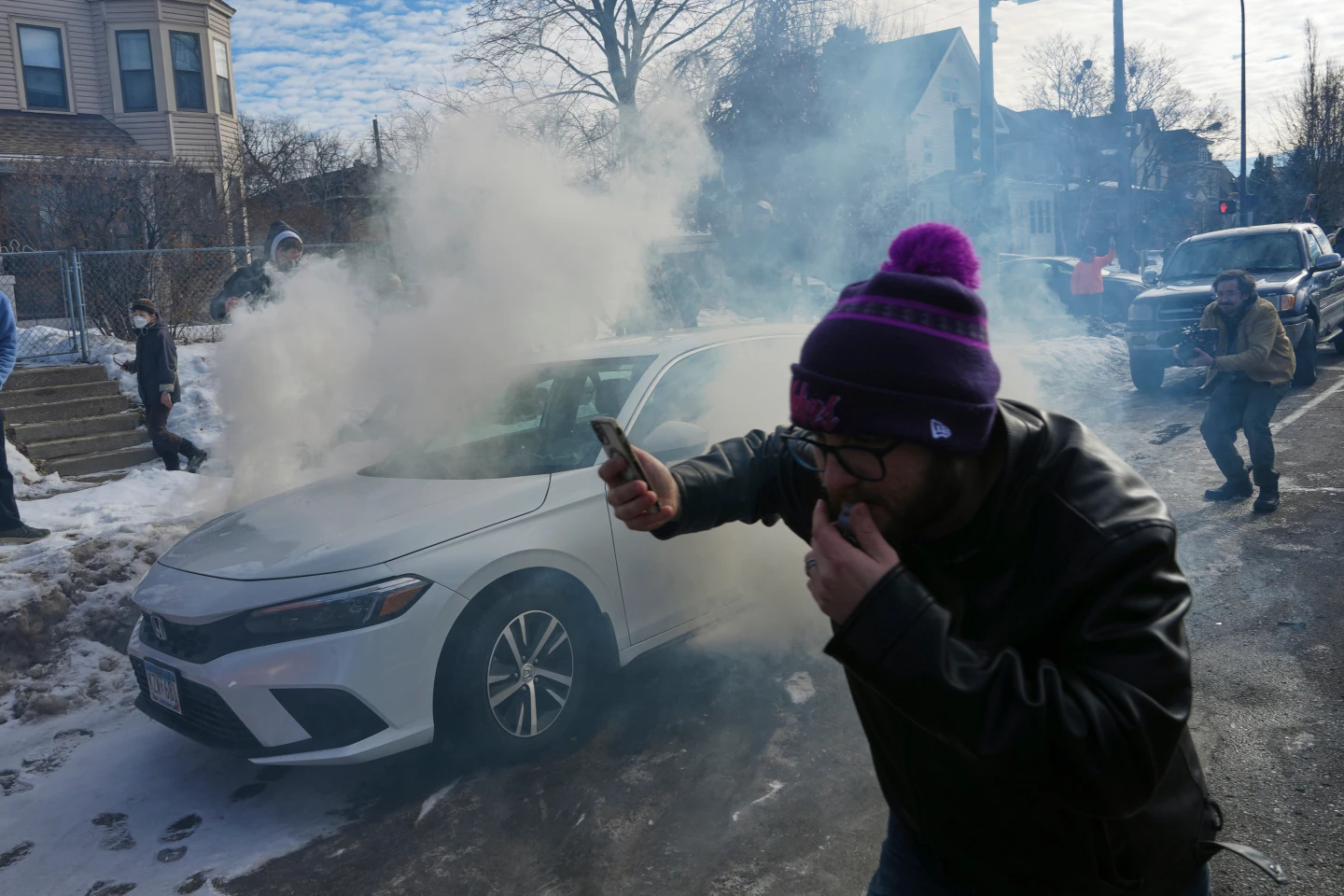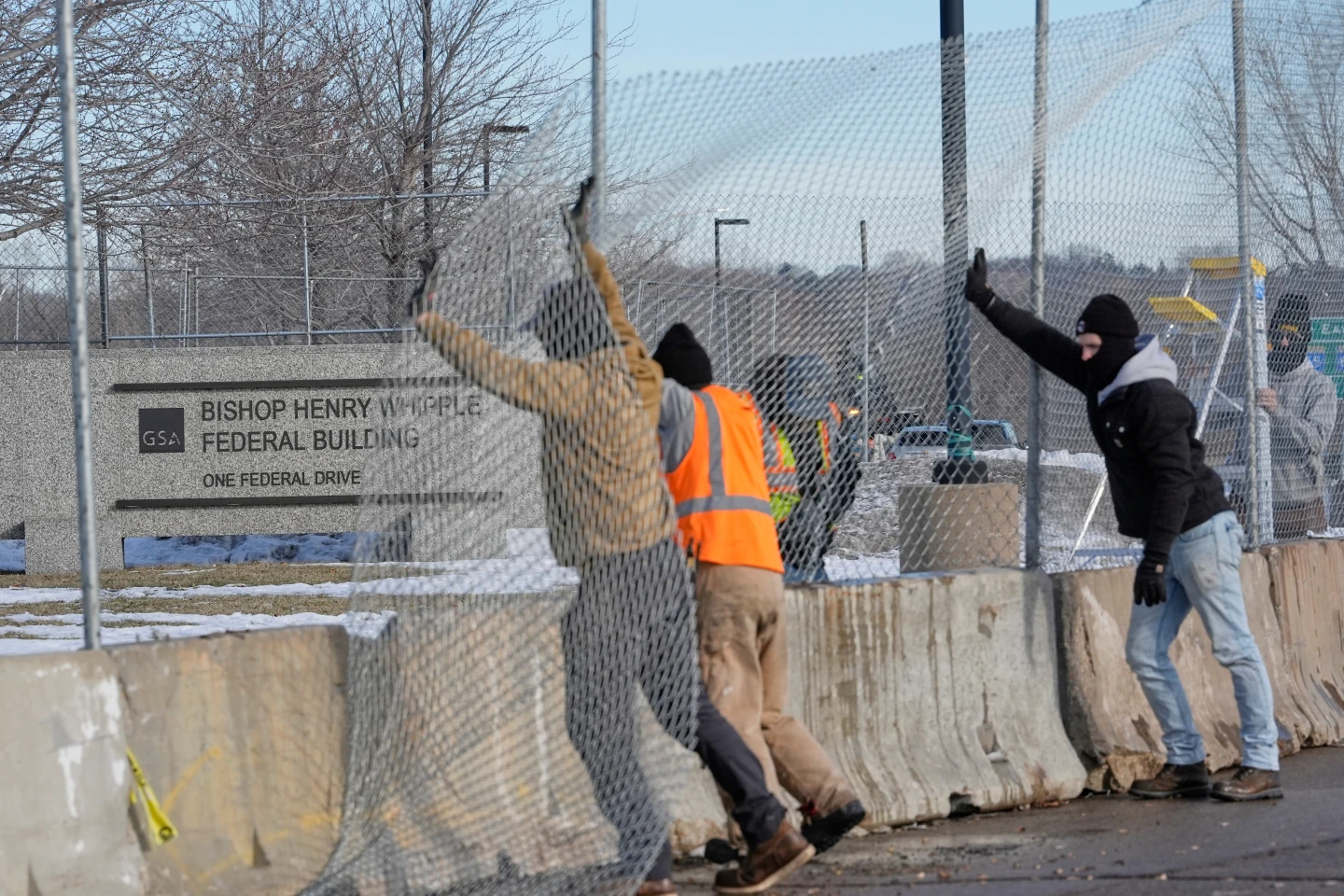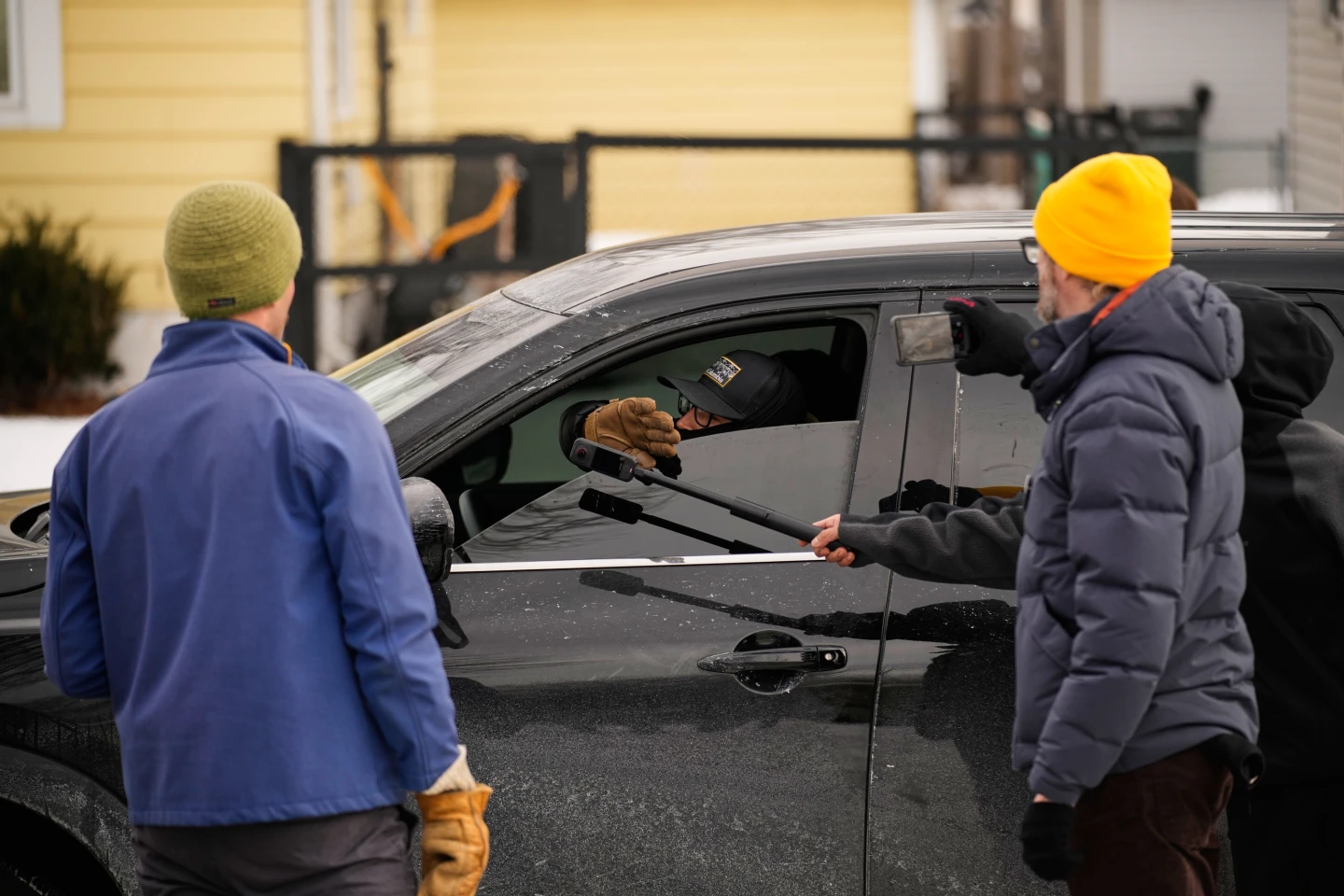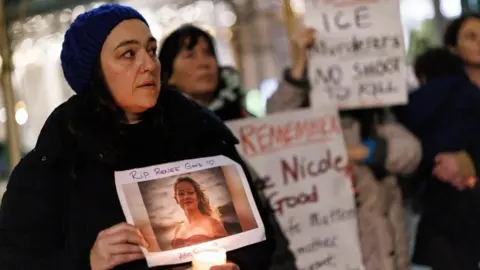
Investigators are tasked with navigating complex questions surrounding the shooting of 37-year-old Renee Good by an ICE agent in Minneapolis last week. Following the incident, which has led to nationwide protests, conflicting accounts have emerged from federal and state officials regarding whether the use of deadly force was justified.
Video footage that has surfaced shows ICE agent Jonathan Ross shooting Good while she was behind the wheel of her car. President Donald Trump’s administration identified Good as a 'domestic terrorist' allegedly attempting to charge the officer with her vehicle, while local officials argue she was merely trying to escape the scene.
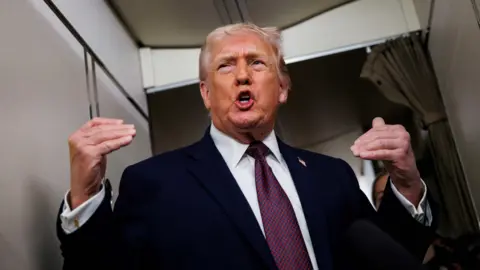
Former law enforcement commentators suggest that despite potential justifications for Ross's actions—such as his history of being injured on duty—public statements from Trump officials may cloud the investigation, complicating its impartiality.
The narrative surrounding the shooting is deeply politically charged, further complicated by public statements asserting the shooting's justification before a thorough investigation could conclude. Investigators will need to scrutinize multiple angles of the video evidence, federal policy on the use of force, and the wider context to understand the full situation comprehensively.
Elements such as Good's trajectory away from Ross when the shooting occurred further complicate claims of justified action. The implications of prior incidents involving Ross and policy stipulations regarding shooting at moving vehicles will also be evaluated in the review process.
Amidst growing unease over the investigation being conducted solely by federal agents, Minnesota Governor Tim Walz has criticized this approach, fearing that it might undermine the integrity of the findings. In alignment with state efforts to rectify perceived biases, local officials may seek their own review, exacerbating a jurisdictional battle over accountability.
The outcomes of this investigation will ultimately hinge on reconciling differing narratives and assessing the adherence of the agent's actions to Department of Homeland Security's strict criteria for using deadly force. As the investigation continues, community tensions remain high, reflecting broader discussions about policing and immigration enforcement in the United States.